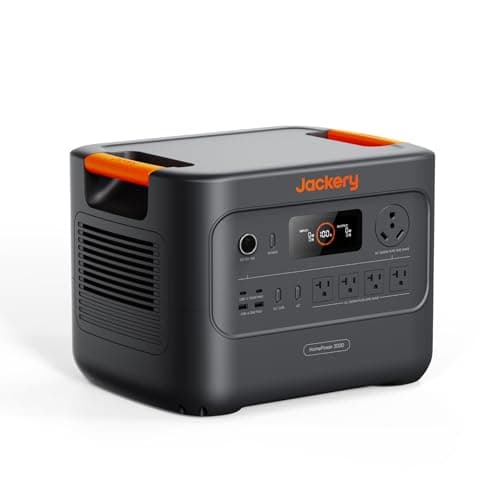
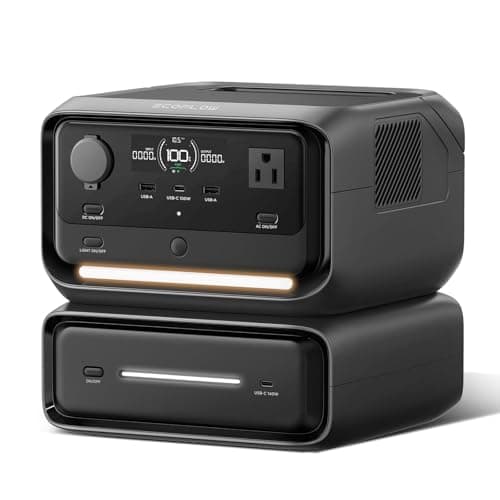
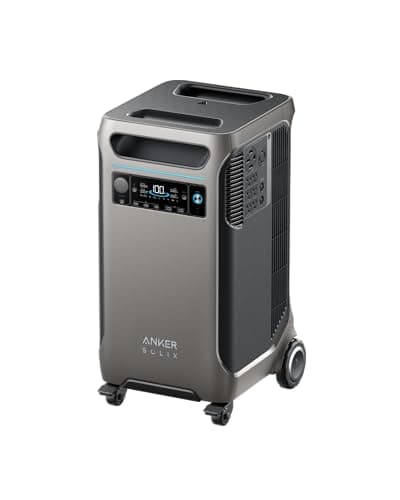
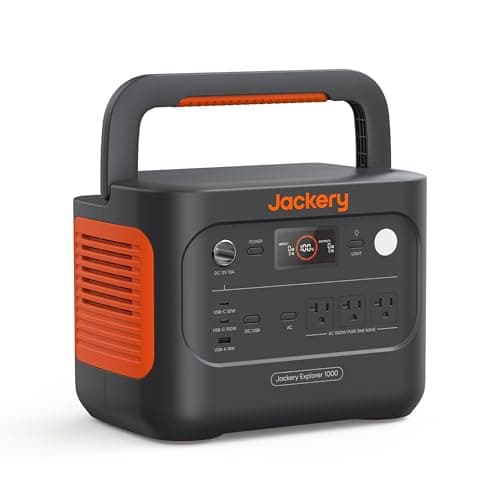
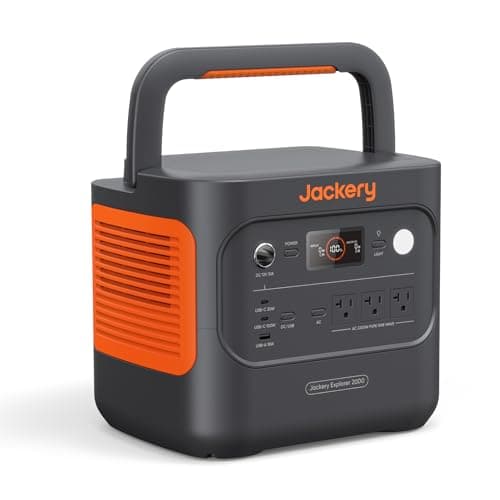
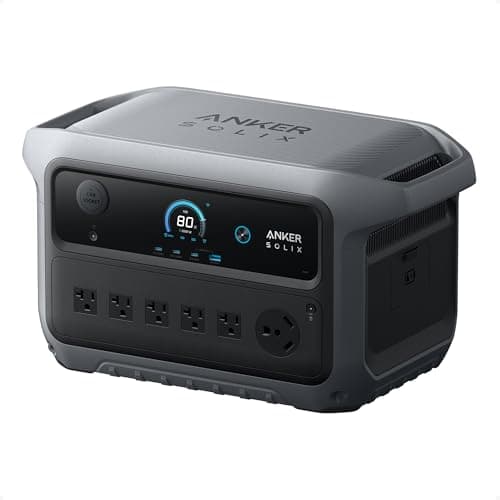
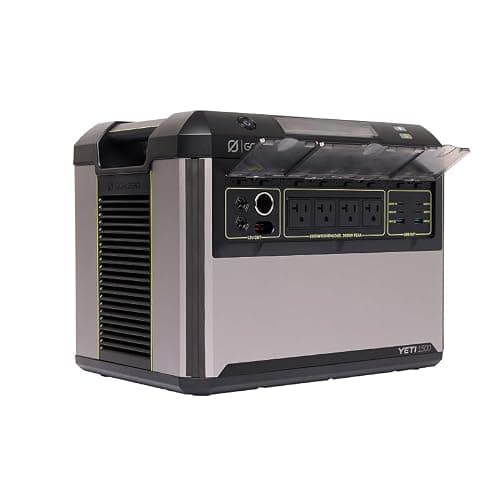
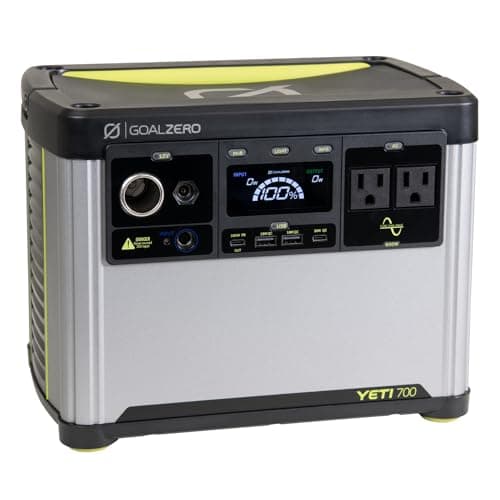
What a power station actually is
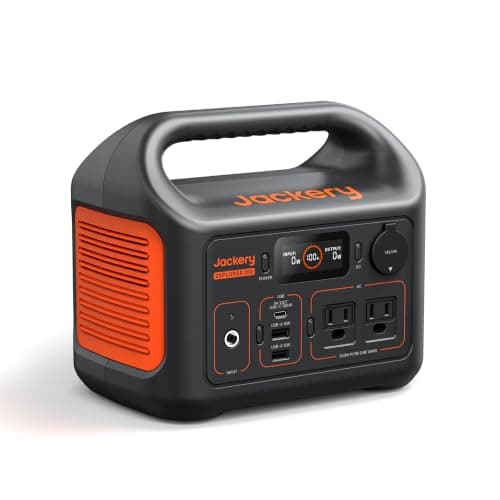
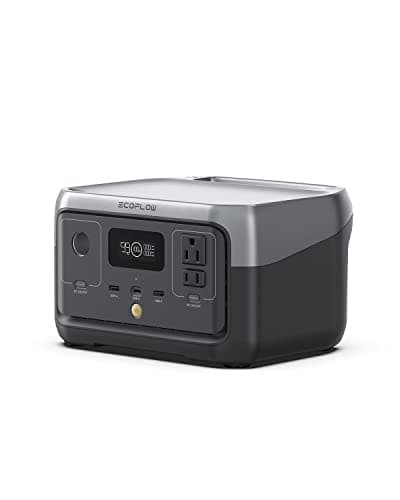
Strip away the marketing and a portable power station is three parts in one case: a lithium battery pack, an inverter that turns its DC into household AC, and a charger. There is no engine, nothing burns, nothing is emitted. That is why it can sit in a hallway during a storm when a generator cannot come within twenty feet of an open window.
Nearly everything worth buying now uses lithium iron phosphate cells — LiFePO4, often shortened to LFP. The chemistry matters more than the brand. LFP tolerates thousands of full charge cycles where the older lithium-ion chemistry managed several hundred, and it is markedly less prone to thermal runaway. When a spec sheet says 3,000 cycles to 80% capacity, it is claiming the pack still holds four-fifths of its original charge after three thousand full drains. Charged and drained weekly, that is a device with a working life measured in decades rather than years.
The two numbers that decide everything
Watt-hours (Wh) is the tank. It is how much energy the battery holds. A 1,000Wh station running a 100W load lasts roughly ten hours, less conversion losses of typically 10–15%.
Watts (W) is the pipe. It is how much the inverter can deliver at any instant. An 1,800W inverter runs an 1,800W load and refuses a 2,000W one, however full the battery is.
Buyers confuse these constantly, and the failure mode is specific: a large battery with a small inverter will politely decline to start your fridge, because the compressor asks for two or three times its running draw for the first fraction of a second. That spike is called surge, and it is why every honest spec sheet quotes two output figures. Champion's published reference puts a domestic refrigerator at 150–400W running and 800–1,200W starting. A 300W station will never start it. A 1,000W station will.
What capacity is enough
Work it backwards from the outage, not from the price. The EIA's Electric Power Annual for 2024 puts the average U.S. customer at eleven hours without power across the year — but that average hides the shape of the problem. Roughly two of those hours came from ordinary faults, and nearly nine from major events. A typical year is a handful of brief interruptions plus, occasionally, one long one.
So there are really two purchases. The first covers the common case: the router, the phones, a couple of lamps, the fridge cycling for a few hours. Somewhere between 500Wh and 1,100Wh does that comfortably. The second covers the rare case, and it is a different machine — either 2,000Wh-plus with a way to recharge it, or something that burns fuel.
The honest advice most of this category will not give you: if your outages are short, buying 3,000Wh is money spent on a scenario you do not have. Buy for the outage you actually get, and here is how to work out which one that is.
The unit people ask about by name
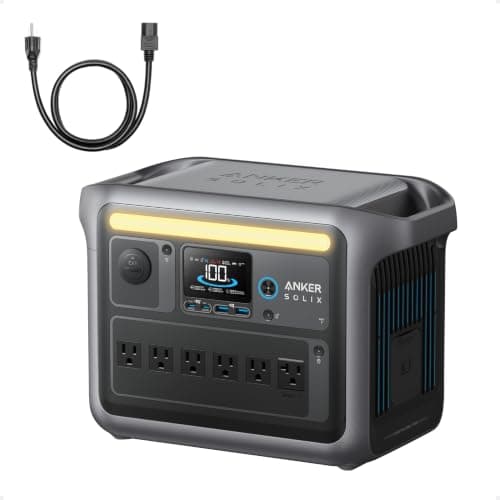
The Anker SOLIX F3800 comes up more than any other single model, because it is one of very few portable batteries with genuine 120/240V split-phase output. The F3800 review covers who that capability is worth paying for, how it compares with the F3800 Plus and the cheaper F3000, and who is better off with something else.
The band most people should buy
One kilowatt-hour covers a refrigerator overnight with room for lighting and the network, and it is where cost per watt-hour bottoms out. The 1000Wh roundup covers the band, and makes the case that capacity is effectively identical across it — so you buy on recharge speed and surge rating instead.
The smallest band worth buying
Below the sizes discussed here sits the 500 watt-hour class, which is the most over-sold band in the category. The 500Wh roundup sets out what half a kilowatt-hour genuinely covers — devices, a router, two CPAP nights — and why the inverter rating matters more than the cells at that size.
Where a battery genuinely beats a generator
- It works indoors. No carbon monoxide, so no twenty-foot rule and no dead-of-night decision about whether the garage counts as outside.
- It is silent. Roughly 30dB under load on the quieter units — a running fridge is louder.
- It starts. There is no carburetor to gum up over a year in the shed, no fuel to go stale, no pull cord.
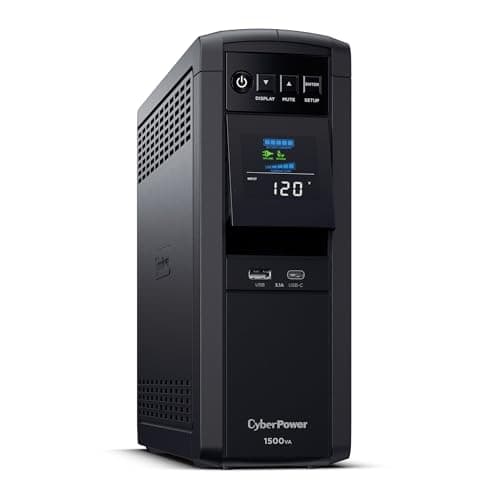
- It doubles as a UPS. Models with sub-20ms switchover keep a desktop or a modem alive through the transition without a reboot.
And where it loses: it holds a fixed amount of energy and then it is empty. A generator with a fuel can beside it is effectively unlimited. On day three of an ice storm that difference is the whole argument, which is why the storm scenario page treats them as complements rather than rivals.
The brand that charges more, and says why
Goal Zero sits above the rest of this market on price and publishes the specifications that explain it: an IPX4 water rating, 4,000+ cycles and a five-year warranty across the current Yeti line. The Goal Zero roundup compares the Yeti 300, 700 and 1500 on published numbers, says plainly what the premium buys, and covers the models — the 1500X among them — that search results still point at but shops no longer sell.
Brand against brand, and the segments in between
Two pairings we had not set side by side until now: EcoFlow against Anker SOLIX — expandability against recharge speed, and both reaching 240V at the top — and Goal Zero against Jackery, which is really a question about whether the battery gets rained on. Two decisions people arrive with: an expansion battery or a second unit, and a portable against an installed home battery. And four narrower buying guides: the sub-$300 band, cold weather, older adults living alone and tiny houses.
Reviewed, model by model
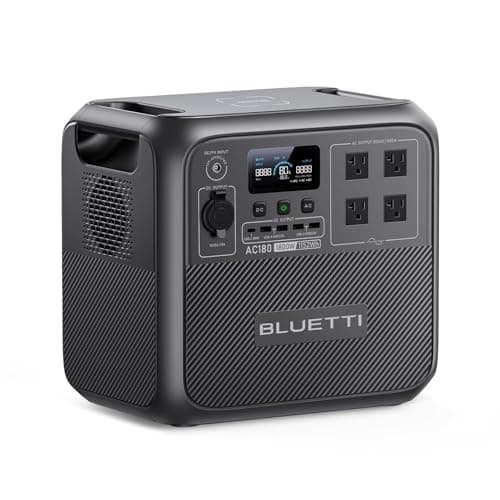
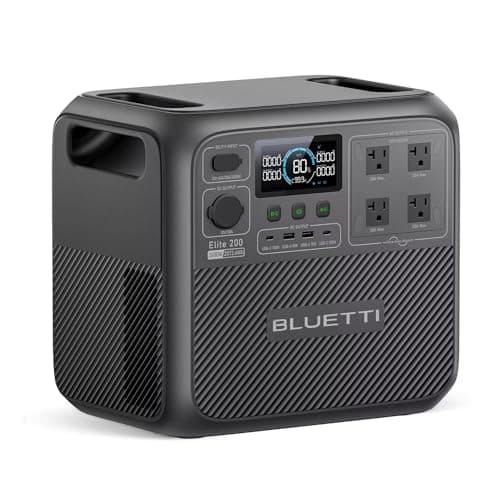
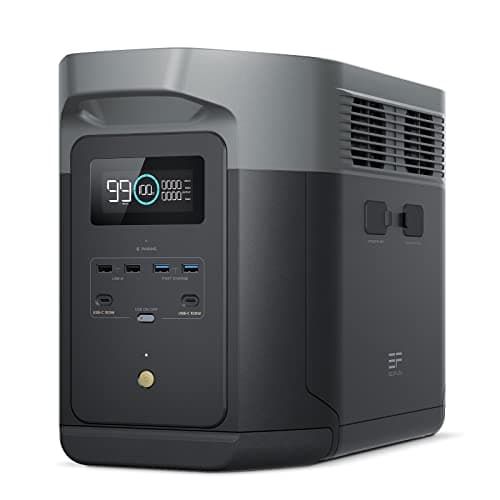
Six of the units that come up most often now have their own review, each built from published specifications rather than a test bench we do not have: the Jackery Explorer 1000 v2 and the Anker SOLIX C1000 in the 1kWh class, then the Explorer 2000 v2, the BLUETTI Elite 200 V2, the EcoFlow DELTA 2 Max and the Anker SOLIX C2000 Gen 2 at 2kWh. If you are choosing between houses rather than models, Anker SOLIX against Jackery sets out what each brand optimizes for.
Where to start if you want a shortlist
Three roundups cover most of this hub. The best portable power stations works across every capacity band and is the place to start if you have not decided how big a battery you need. The 3000Wh band is where a battery starts covering a full day rather than an evening, and the camping roundup goes the other way, where weight matters more than capacity.
What we do not tell you
We have not tested any of these. Nobody here has plugged one in, measured its real inverter efficiency, or left it in a shed for two winters. What we have done is read the published specifications, arrange them so they compare honestly, and compute the numbers the manufacturers leave out — runtime against a real appliance load, and cost per usable kilowatt-hour over the rated cycle life. That method has real limits and we set them out.