Guide
What Size Generator Do I Need for My House?
Four steps from an appliance list to a wattage figure, with worked examples.
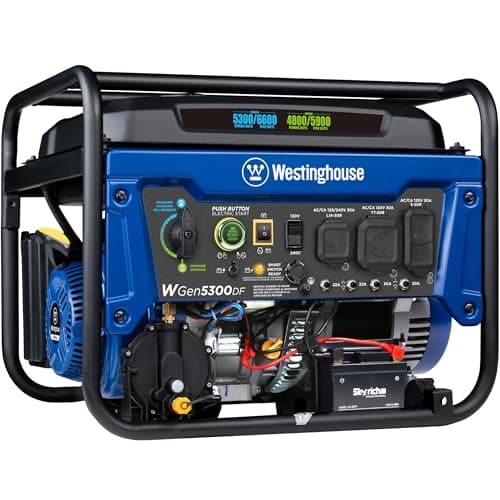
Top pick: Westinghouse WGen5300DF
$649.00 · Check price on Amazon
#ad how this is funded · price as of October 21, 2026
Watt & Warden
Every other page on this site depends on this one. Capacity is not a preference or a budget decision — it falls out of two numbers you already have.

Start here if you have no idea what you need. Outage duration and capacity turns “my power goes out sometimes” into a watt-hour number.
If you know your appliances but not the wattage, the appliance wattage chart has published running and starting figures for everything in a normal house.
If it is the fridge you care about — and for most people it is — the refrigerator runtime page does that one calculation properly.
Guide
Four steps from an appliance list to a wattage figure, with worked examples.
Top pick: Westinghouse WGen5300DF
#ad how this is funded · price as of October 21, 2026
Guide
Published running and starting watts for a normal house, cited to manufacturer references.
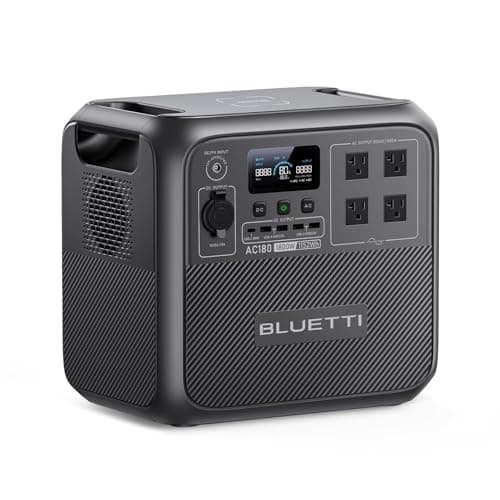
Top pick: BLUETTI AC180
#ad how this is funded · price as of October 21, 2026 · $499.00 10% off
Guide
About six hours per 1,000Wh, with every assumption stated so you can substitute your own.
Top pick: BLUETTI AC180
#ad how this is funded · price as of October 21, 2026 · $499.00 10% off
Guide
The variable nobody sizes for. Outage length decides the product class before the appliance list does.
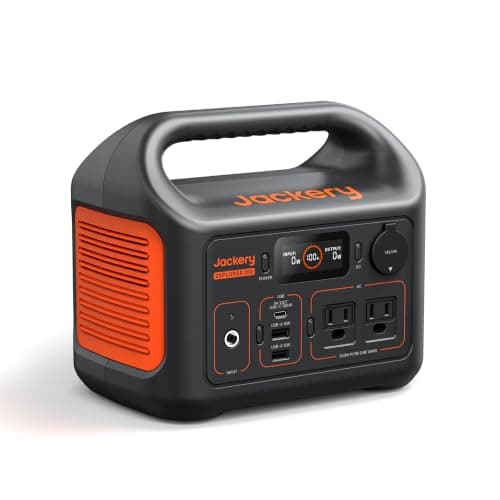
Top pick: Jackery Explorer 300
#ad how this is funded · price as of October 21, 2026 · $289.00 10% off
Guide
Consumption by size, converted into cost per hour and per day at current EIA fuel prices.
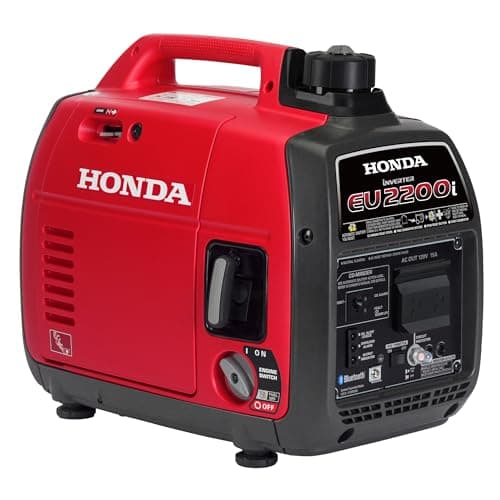
Top pick: Honda EU2200i
#ad how this is funded · price as of October 21, 2026
Guide
Batteries are sized twice: watts for what starts, watt-hours for how long. Worked four ways.
Top pick: Jackery Explorer 300
#ad how this is funded · price as of October 21, 2026 · $289.00 10% off
Guide
Four definitions of running a house, in watts - from the critical circuits to the whole panel.
Top pick: Westinghouse WGen5300DF
#ad how this is funded · price as of October 21, 2026
Guide
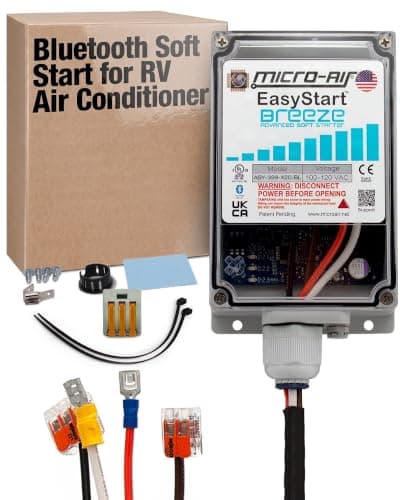
Motors draw several times their running wattage at startup. Why, which ones, and what to do.
Top pick: Micro-Air EasyStart Breeze soft starter
#ad how this is funded · price as of October 21, 2026
Guide
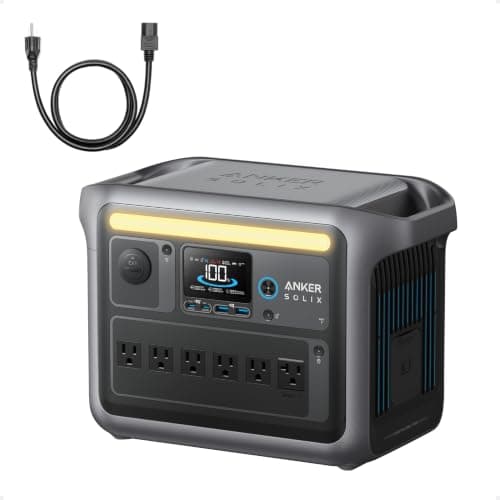
A fridge draws only while cycling - about a third of the time. Why the nameplate misleads.
Top pick: Anker SOLIX C1000
#ad how this is funded · price as of October 21, 2026 · $599.99 17% off
Guide
Published watts from 5,000 BTU to 4 ton, and why BTU is not a power rating.
Top pick: Micro-Air EasyStart Breeze soft starter
#ad how this is funded · price as of October 21, 2026
Guide
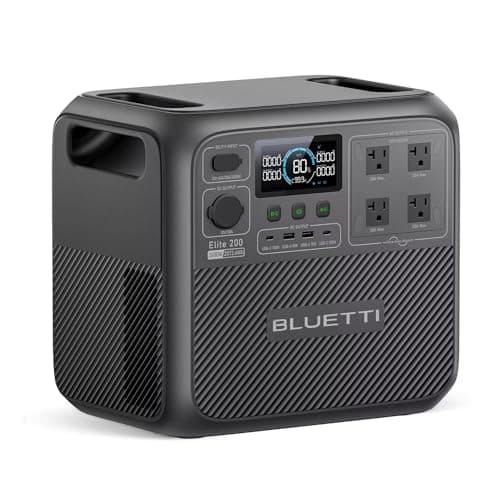
Gas furnace: just the blower, 300-875W. Electric: thousands. The difference decides everything.
Top pick: BLUETTI Elite 200 V2
#ad how this is funded · price as of October 21, 2026
Guide
Amp-hours mean nothing without a voltage. One multiplication makes everything comparable.
Top pick: Anker SOLIX C1000
#ad how this is funded · price as of October 21, 2026 · $599.99 17% off
Guide
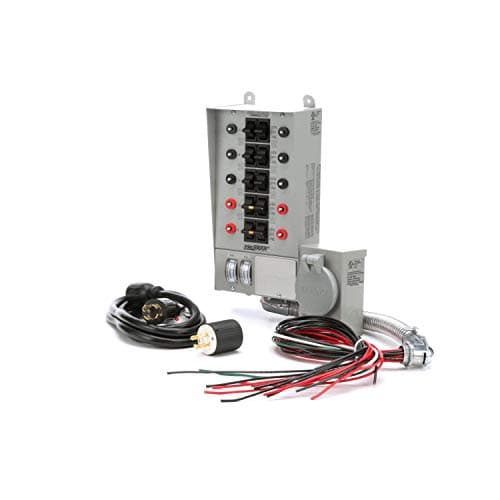
The label has your real number - in amps, and as a maximum. How to make it usable.
Top pick: Reliance Controls 31410CRK Pro/Tran
#ad how this is funded · price as of October 21, 2026
Guide
Square footage is the wrong input. What heats and cools the house is the right one.
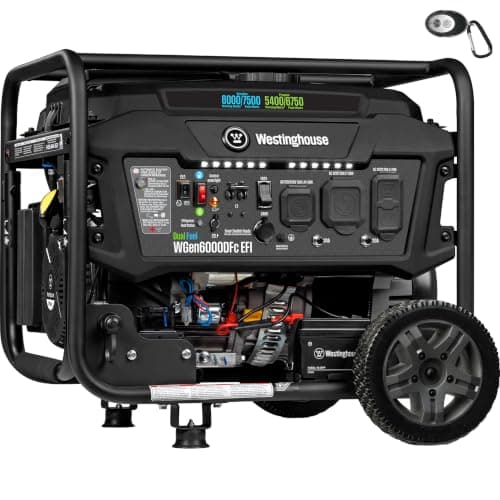
Top pick: Westinghouse 7500 EFI dual fuel generator
#ad how this is funded · price as of October 21, 2026
Guide
50 amp is not 20 more than 30 - it is nearly four times the power. Here is why.
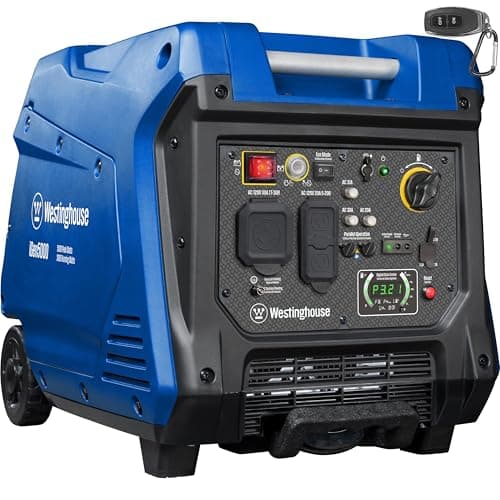
Top pick: Westinghouse iGen4500
#ad how this is funded · price as of October 21, 2026
Guide
The washer is easy. The electric dryer is 5,000W at 240V and almost never worth it.
Top pick: Westinghouse WGen5300DF
#ad how this is funded · price as of October 21, 2026
Guide
A watt-hours problem, not a watts one - until a fridge or a kettle shows up.
Top pick: Jackery Explorer 300
#ad how this is funded · price as of October 21, 2026 · $289.00 10% off
Guide
The PSU rating is a ceiling, not a draw. Real numbers for idle, load and laptops.
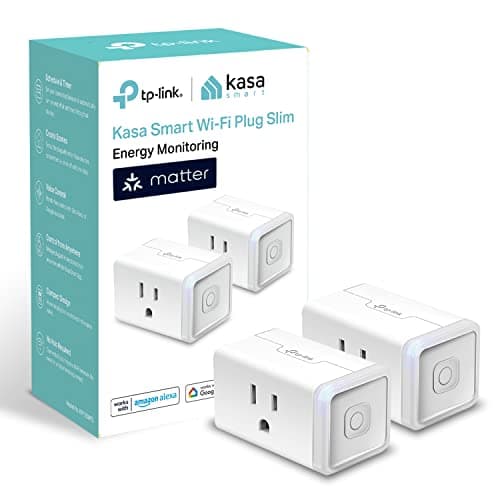
Top pick: Kasa KP125M Smart Plug
#ad how this is funded · price as of October 21, 2026
Guide
1,000W on the door means about 1,500W at the wall. That gap is the whole page.
Top pick: Anker SOLIX C1000
#ad how this is funded · price as of October 21, 2026 · $599.99 17% off
Guide
1,500W continuous, set by the outlet rather than the design. That single number explains everything.
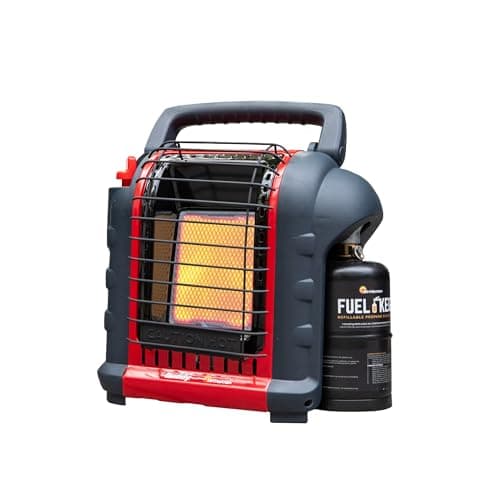
Top pick: Mr. Heater MH9BX Portable Buddy
#ad how this is funded · price as of October 21, 2026
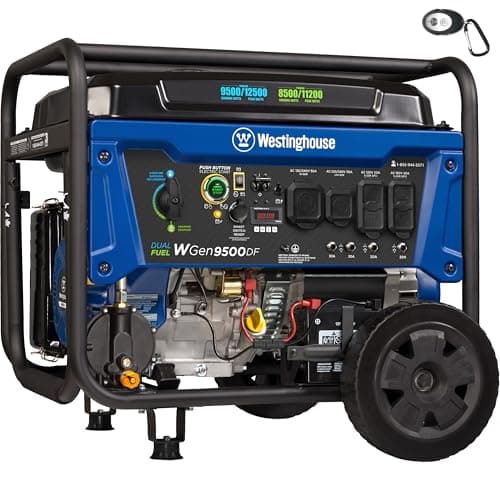
Guide
Less energy than a fridge, more starting current than anything else in the house.
Top pick: Westinghouse WGen9500DF
#ad how this is funded · price as of October 21, 2026
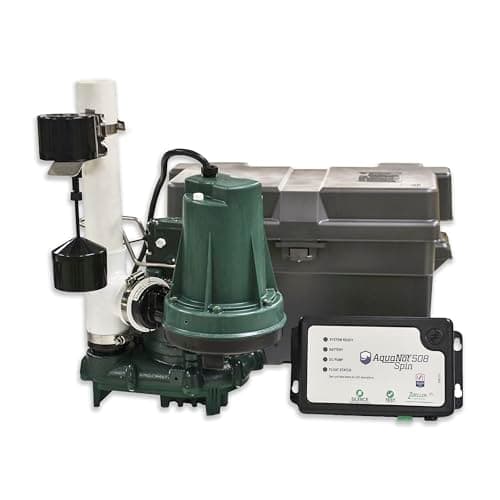
Guide
Tiny energy, brutal surge. The gap between those two numbers is the whole problem.
Top pick: Zoeller 508-0006 AquaNot Spin 508 ProPak
#ad how this is funded · price as of October 21, 2026
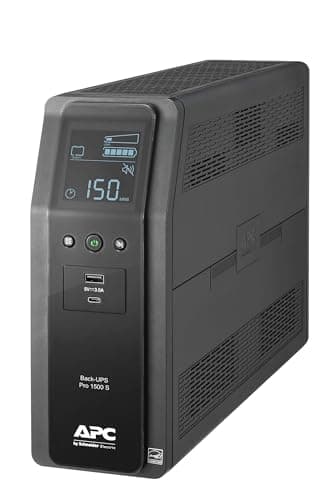
Guide
VA is not watts. Size against the watt rating, then check the runtime chart at your actual load.
Top pick: APC Back-UPS Pro BR1500MS2
#ad how this is funded · price as of October 21, 2026 · $339.99 12% off
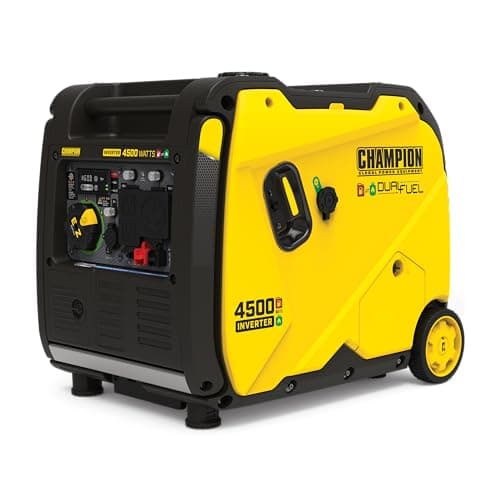
Guide
Saws want 1,200-3,000W running and double that to start. Compressors are the real problem.
Top pick: Champion 4500W dual fuel inverter generator
#ad how this is funded · price as of October 21, 2026
Guide
100-500W running, 500-1,000W to start, and roughly 1 to 2 kWh a day. A 2kWh battery covers a day.
Top pick: BLUETTI AC180
#ad how this is funded · price as of October 21, 2026 · $499.00 10% off
Guide
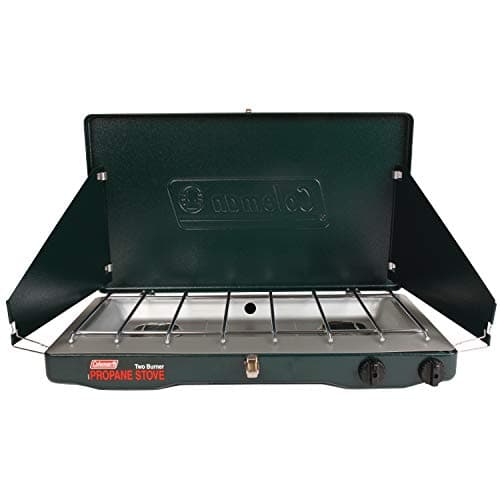
One burner is 1,200-2,400W. A full range needs 240V at 40-50A, which is generator territory only.
Top pick: Coleman Classic propane camping stove
Guide
80-400W depending on size, plus a standby draw that runs all night. A 500Wh battery covers an evening.
Top pick: Jackery Explorer 300
#ad how this is funded · price as of October 21, 2026 · $289.00 10% off
Head to head
A soft starter shrinks the compressor's inrush. A bigger generator covers the whole list. Only one of them is cheap.
Top pick: Micro-Air EasyStart Breeze soft starter
#ad how this is funded · price as of October 21, 2026
Guide
A five-step method for sizing a home battery, with four worked households and the recharge check most people skip.
Top pick: Kasa KP125M Smart Plug
#ad how this is funded · price as of October 21, 2026
Guide
What a heat pump draws, why MCA is not consumption, and why auxiliary heat decides whether you can back one up.
Top pick: Westinghouse WGen9500DF
#ad how this is funded · price as of October 21, 2026
Guide
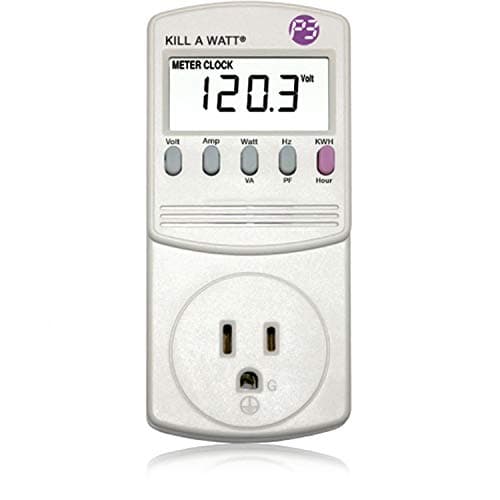
Published watts per set for incandescent and LED, the 210W end-to-end cap, and how many strands one run really takes.
Top pick: P3 P4400 Kill A Watt electricity usage monitor
#ad how this is funded · price as of October 21, 2026
Guide
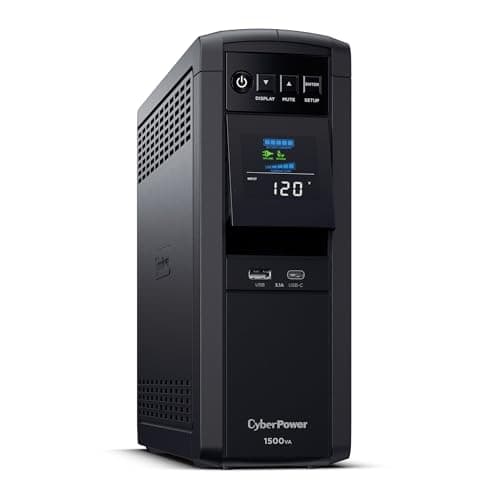
Published start and run amps for real pellet stoves, converted to watts, and what the makers approve for backup.
Top pick: CyberPower CP1500PFCLCD
#ad how this is funded · price as of October 21, 2026 · $274.95 13% off
Guide
Published circulator and combi boiler electrical figures, and why the nameplate maximum is not what to size a battery against.
Top pick: BLUETTI Elite 200 V2
#ad how this is funded · price as of October 21, 2026
Every buying guide in this category starts with products. That is backwards. The product is a consequence of a number, and the number comes from your house and your utility, not from a review.
Get the number too low and you have bought something that shuts off when the fridge starts. Get it too high and you have spent two or three times what your actual outages justify, on a machine that is heavier than you can move and burns more fuel than you can store. Both failures are common and both are avoidable in about fifteen minutes of arithmetic.
1. Running watts. What your chosen appliances draw continuously, added up. A fridge at 200W, a furnace fan at 600W, six LED bulbs at 10W each, a router and a laptop at 100W — that is about 960W. This is the number that decides whether the machine can carry your house at all.
2. Starting watts. The largest single surge in that group, not the sum of all of them, because motors rarely start at exactly the same instant. If the furnace fan is the biggest surge at 1,600W, your peak requirement is roughly the running total minus that fan's running draw, plus its starting draw. Around 1,960W in the example above.
3. Watt-hours. Running watts multiplied by hours. Only relevant to batteries — a generator's runtime is a fuel question, not a capacity one. 960W for eight hours is 7,680Wh, which is well beyond any portable battery and tells you immediately that an overnight whole-critical-load outage is generator territory.
People size for everything at once. In an actual outage you do not run the fridge, the furnace, the well pump, the microwave and the space heater simultaneously — you run the fridge and the furnace, then you run the microwave for four minutes with the furnace off.
Load management is the cheapest capacity you can buy. Deciding in advance which two things run together routinely halves the machine you need, and halves what it costs to fuel. Every sizing page here works two totals for that reason: everything at once, and a sequenced list.
The deep-dives that replace a guess with a number: a space heater is always 1,500W and that is set by the outlet rather than the design; a microwave draws about 50% more than the number on its door; and a computer uses a fraction of its power supply rating. A washer and dryer are two completely different problems sitting side by side.
Two more that answer a question rather than an appliance: how many watts you need for camping and 30 amp versus 50 amp RV service, where the names hide a factor of more than three.
Appliance wattages are the manufacturers' and the trade's published figures, not ours — the reference table cites Champion Power Equipment's wattage chart and Honda's estimation guide, both linked on the chart page. Outage statistics come from the EIA's Electric Power Annual. Fuel prices are the EIA's weekly series, quoted with the week they were taken.
Every figure we compute on top of those is shown with its inputs, so you can substitute your own and get a different, better answer. That is the point. A sizing calculator that hides its arithmetic is asking you to trust it; one that shows the arithmetic is letting you check it.
The pages that take one load and work it through properly: a sump pump and a well pump are both tiny energy loads with brutal starting surges, which is the pattern that defeats correctly sized batteries. And if you arrived here asking about floor area, what size generator a 2,000 square foot house needs explains why square footage is the wrong input.
When an air conditioner trips the generator, a soft starter is usually the cheaper answer than a bigger machine — but only if the failure is at the moment of starting. That page separates a surge problem from a running-watts problem before you spend anything.
The appliance series keeps growing as people ask: a freezer is the cheapest thing in the house to back up, a television costs less than people expect, an electric stove is the load that ends most backup plans, and power tools are sized on their starting surge rather than their running draw. Sizing a UPS is its own exercise, because VA is not watts.
Inverter efficiency varies. We use 85% as a working figure for battery systems, which is conservative for a good inverter at moderate load and optimistic for a cheap one running near its limit. Your real number is somewhere in that range and we cannot measure it without the unit in front of us.
Appliance draw is a range, not a value. A 2003 side-by -side refrigerator and a 2024 Energy Star model differ by a factor of two or more. Where a published range exists we give the range and size against the upper end, because a system that only works with the efficient appliance is not a backup system.
Winter adds appliances nobody sizes for. A pellet stove is published at about 336 watts running and 504 starting, and a hydronic boiler can be as little as a 44-watt circulator, which makes those two the cheapest heating systems in the house to back up. At the other end of the season, holiday lighting carries a published 210-watt cap per end-to-end run that decides how the whole display gets wired.
For a critical-load group -- refrigerator, furnace fan, sump pump, lights and electronics -- most homes land between 3,500 and 7,500 running watts. Adding central air conditioning or an electric range pushes it past 10,000, and an electric water heater alone can draw 3,000-4,500W.
No. Add every appliance's running watts, then add only the single largest starting surge. Motors almost never start at the same instant, and sizing for simultaneous startup buys a machine two or three times larger than you need.
Divide usable watt-hours by the average load in watts, then subtract roughly 15% for inverter conversion losses. A 1,000Wh battery running a 150W average load gives about 5.7 hours after losses, not 6.7.
Not sure which of these you need? Work out the number first — capacity falls out of how long your power is usually off, not out of a budget.