What standby means
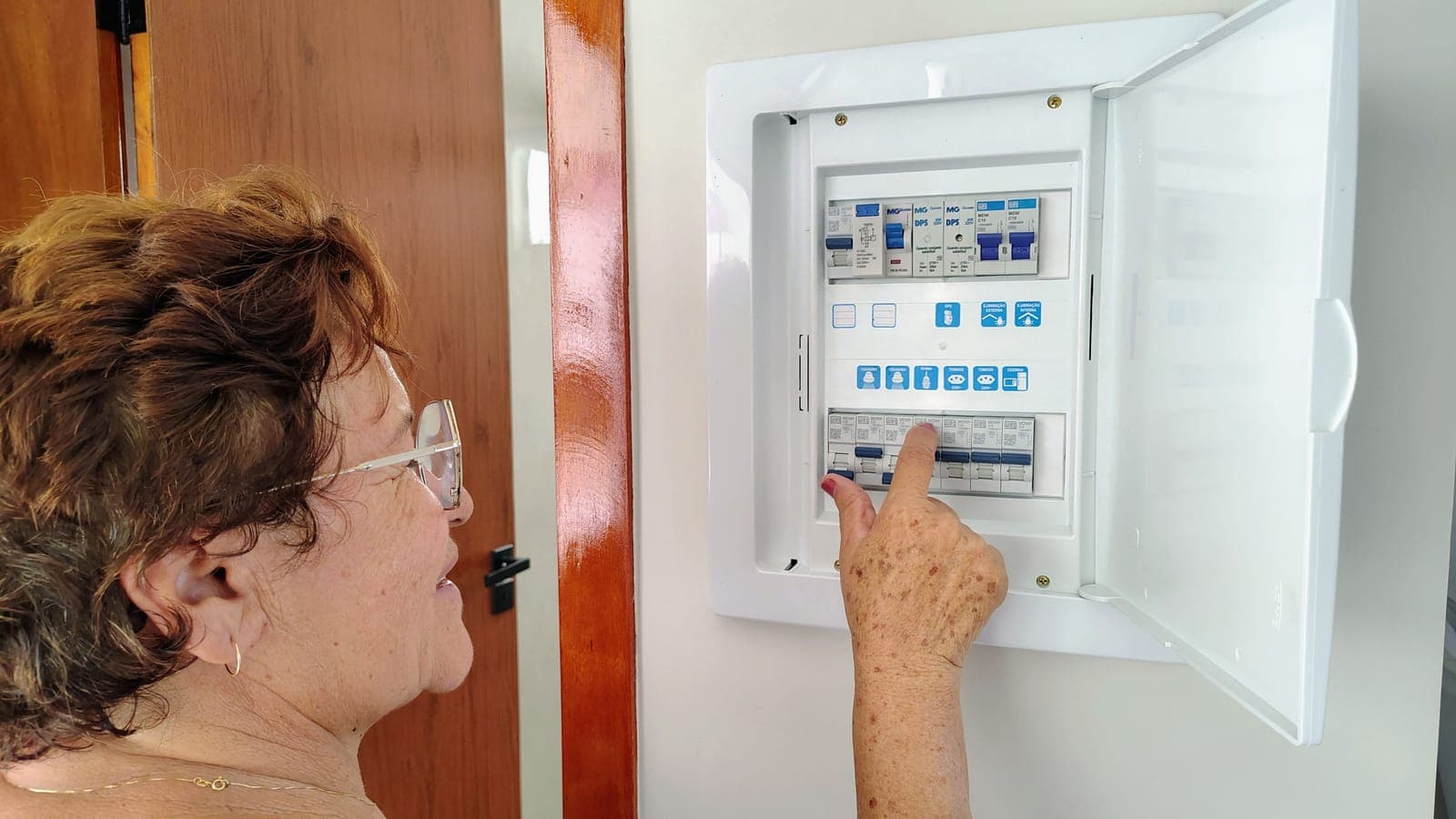
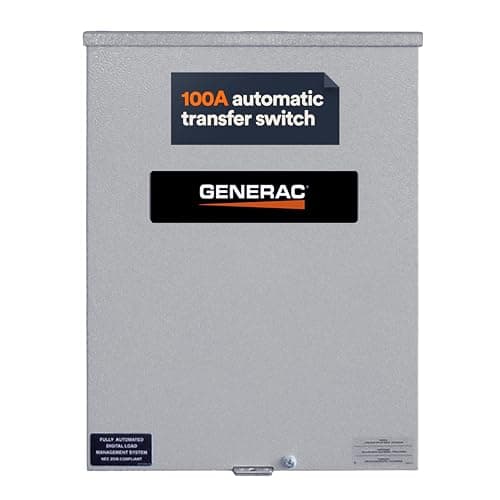
A standby generator is bolted to a pad outside the house and wired permanently into the electrical panel through an automatic transfer switch. It monitors the grid. When it detects a failure, it starts itself, waits for the engine to stabilize, and transfers the house — or a selected group of circuits — onto generator power. Typically the whole sequence takes under thirty seconds and nobody has to go outside in the rain.
Most run on natural gas or propane. Natural gas is the significant one: a house on a gas main has an effectively unlimited fuel supply, which removes the constraint that defines every other option in this category. No cans, no trips, no rationing on day three.
Why this hub does not look like the others
We are open about this. Whole-house standby units are sold through dealer and installer channels, and the installation is not optional — it involves a gas line, a concrete pad, a permit and a licensed electrician tying into your service panel. You cannot meaningfully buy one the way you buy a portable generator.
So this hub does two things instead of pretending otherwise. It quotes installed cost as cited ranges from real sources and never as a single confident figure, because the real number depends on your gas line, your panel, your local permit costs and your ground. And it covers the parts you genuinely can buy and genuinely need: transfer switches, interlock kits, generator cords, carbon monoxide alarms. Putting a buy button on a machine that cannot be bought through it would be the same fabrication as inventing a price.
The comparison nobody frames honestly
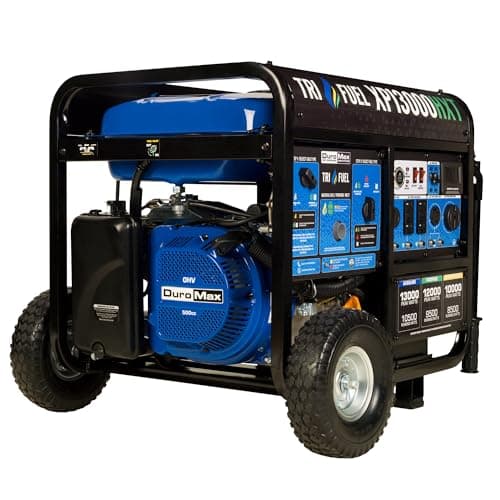
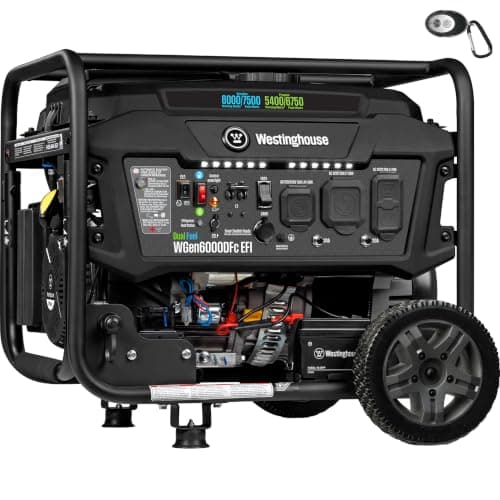
A standby installation is a five-figure decision. A large dual-fuel portable plus a professionally fitted transfer switch delivers a substantial fraction of the same capability for a fraction of the cost. What you give up is real and worth naming:
- Automatic start. A portable needs someone to go out, start it, and throw the switch. If nobody is home, or the person home cannot lift a fuel can, that matters enormously.
- Unlimited fuel. Natural gas does not run out. A portable runs on what you can carry and store.
- Weather-proof operation. A standby unit is in a fixed enclosure designed to run in a storm. A portable needs a cover, a location and a person to set it up in the weather.
- Capacity. Standby units routinely cover central air conditioning. Most portables do not.
What you gain by going portable, besides the money: the machine is useful for camping, a jobsite, and a different house later. It needs no permit. And it does not require a gas line you may not have.
The comparison people actually arrive with
Most people weighing whole-house backup are really weighing a battery against an engine. Powerwall versus generator works that through, and the answer turns almost entirely on how long your outages last — a battery stores a fixed amount of energy, and a generator makes as much as you can feed it.
Sizing standby is a different exercise
With a portable you size to a critical-load list. With standby you are usually choosing between covering selected circuits and covering the whole service, and the second option has to account for the largest motor in the house starting under generator power — normally the central air conditioner, whose compressor surge Champion's reference puts at 3,500–4,500W for a two-ton unit and 5,000–6,000W for a three-ton.
That is the calculation the installer will do at the site visit and it is genuinely their job, because it depends on your panel and your equipment. What you should arrive knowing is your own list: what absolutely must run, what would be nice, and what you are happy to switch off. Turning up with that list is what stops you being sold two sizes more machine than the house needs.
What it costs, and whether it is worth it
Two questions everyone arrives with. The cost page sets out what a standby quote is actually made of — the machine is frequently the smaller half — so you can compare two of them properly. The worth-it page is blunter: for most households the answer is no, and the four situations that flip it are specific enough to check in five minutes.
If the fuel is propane rather than a gas line, tank sizing is the part people get wrong — a 500 gallon tank holds about 300 usable gallons, and cold weather needs a bigger tank rather than a fuller one.
The battery version of the same question
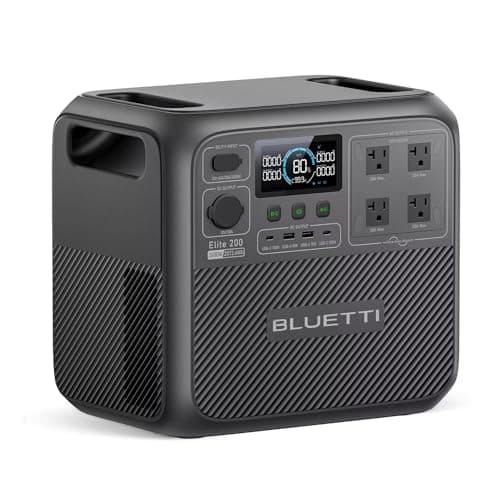
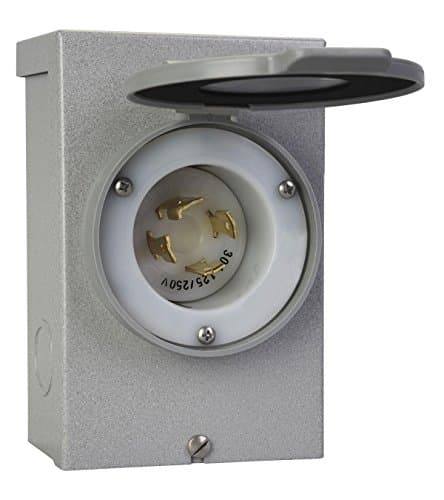
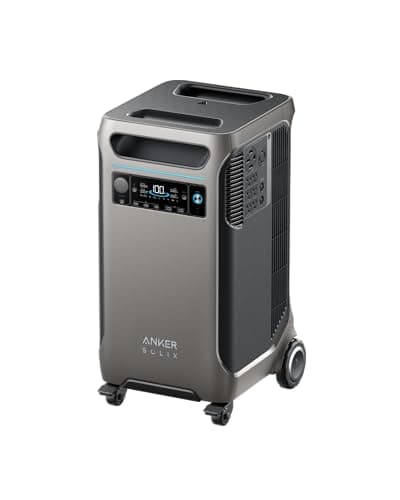
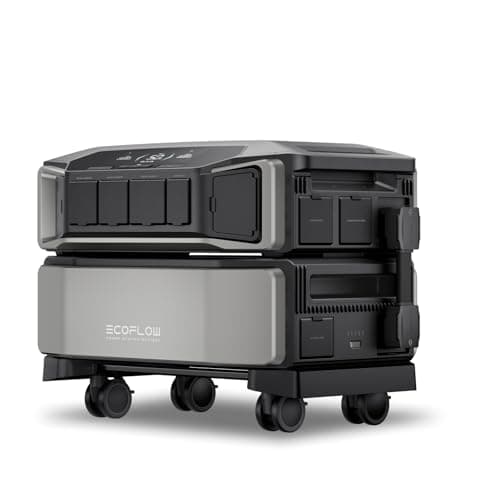
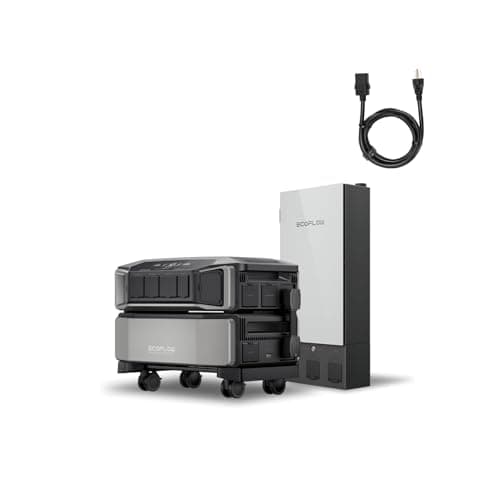
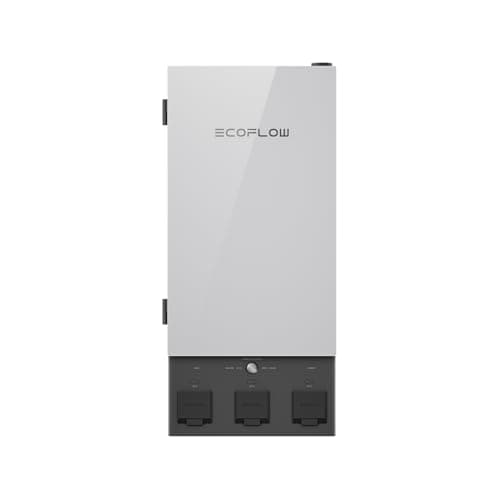
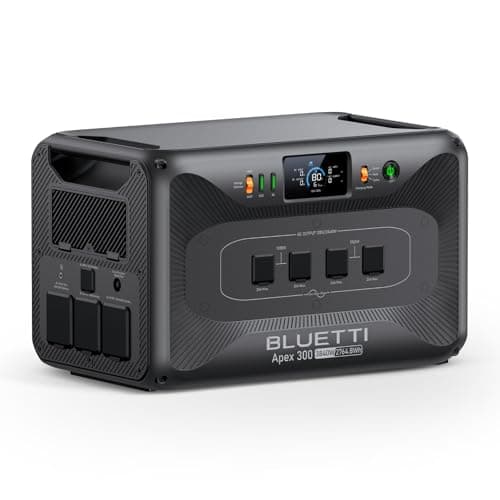
A standby generator is not the only way to back a house. Home battery backup systems covers the units that produce genuine 120/240V split-phase output, which is the specification that lets a battery feed a panel rather than a power strip. Whichever route you take, it arrives at a wall connection — the inlet box roundup covers that end of it.
Two decisions that come before the hardware
Manual against automatic transfer switches is really a question about whether anyone will be home to throw one, and an automatic switch drags a standby generator along with it. If you arrived here pricing a Powerwall, the alternatives page separates the four things a Powerwall bundles and names what replaces each of them.
The battery version, priced honestly
Batteries are the other way to answer this hub's question. What a home battery backup system costs uses marketplace installed-cost data rather than a brochure, and home battery backup without solar answers the question installers rarely volunteer: yes, it works, and here is exactly what you give up.
The accessory nobody budgets for
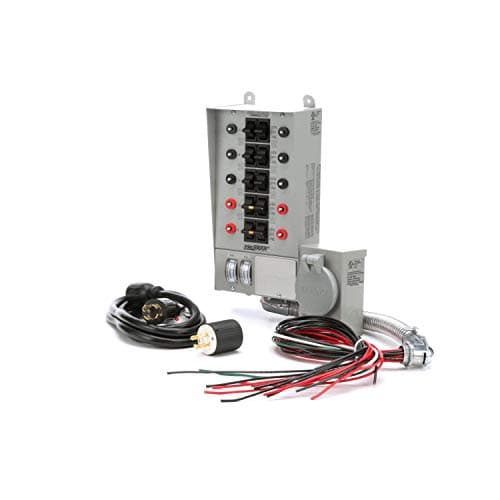
Whichever route you take, the connection hardware is a real line item and it is routinely forgotten. A ten-circuit manual transfer switch kit, the cord to reach it and a working carbon monoxide alarm are all required for a portable installation to be safe and legal, and the electrician's time to fit the switch is usually more than the switch. Budget for it up front rather than discovering it the week the storm is forecast.
Two questions installers answer vaguely
What $10,000 actually buys installed has changed, because the 30% federal credit no longer applies to property placed in service after 31 December 2025. And which systems shed heavy circuits automatically separates the brands that publish a shedding trigger from the ones that only publish an app.
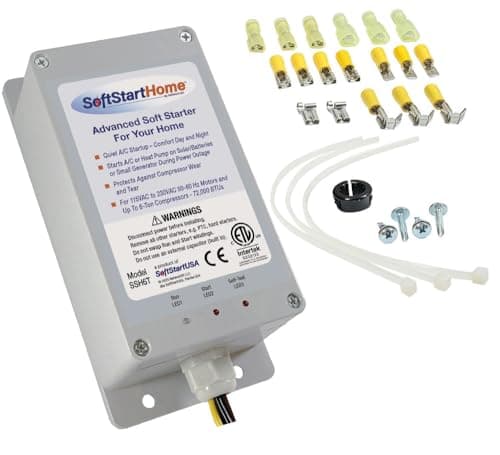
And the question that defeats more battery plans than any other: which home battery backups can run a 5-ton central AC — where a published 148 locked-rotor amps is about 34 kilowatts of inrush, and a soft starter matters more than the battery you choose.