“Solar generator” is a marketing term
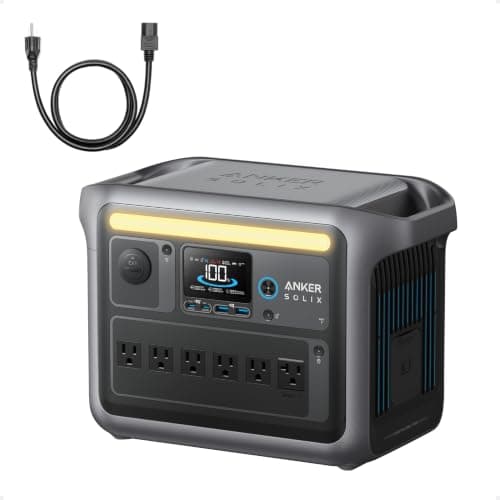
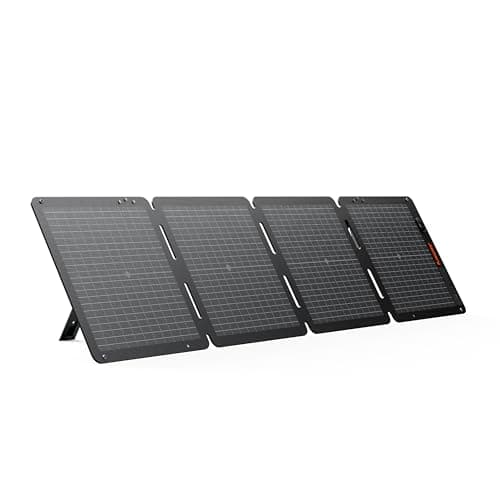
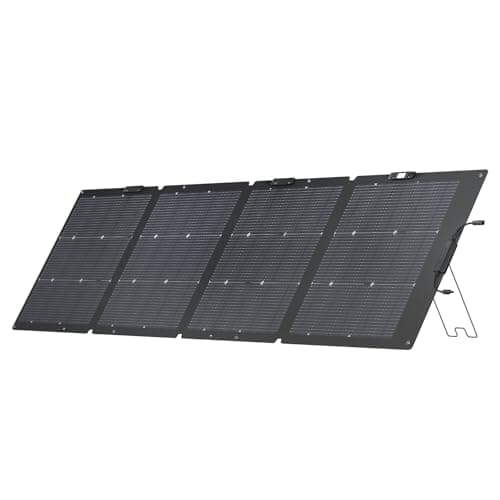
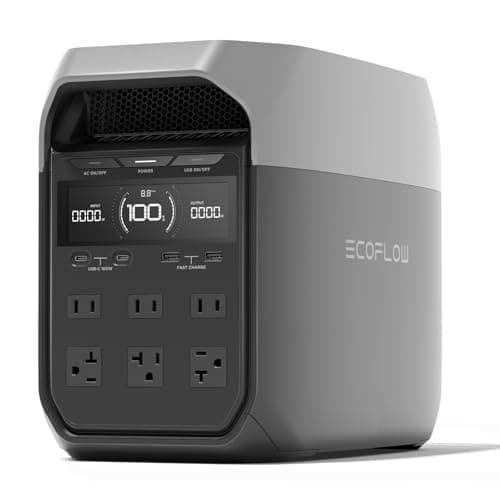
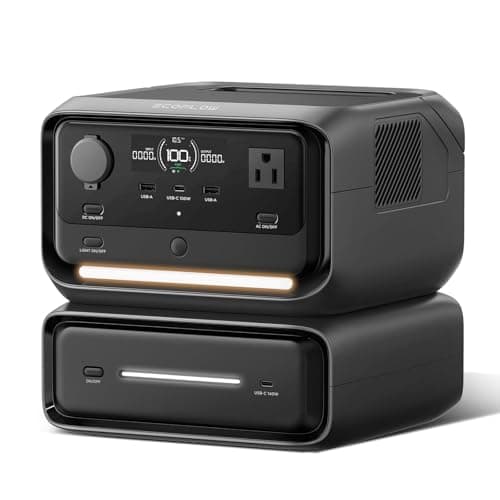
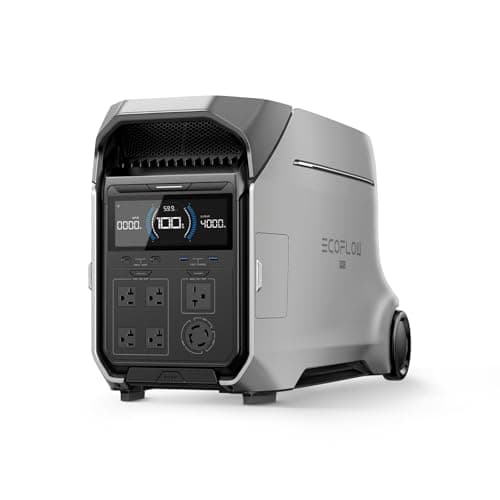
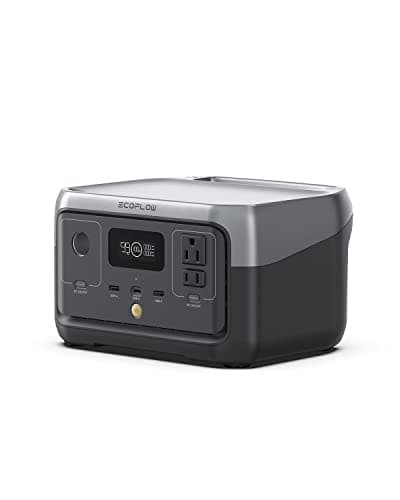
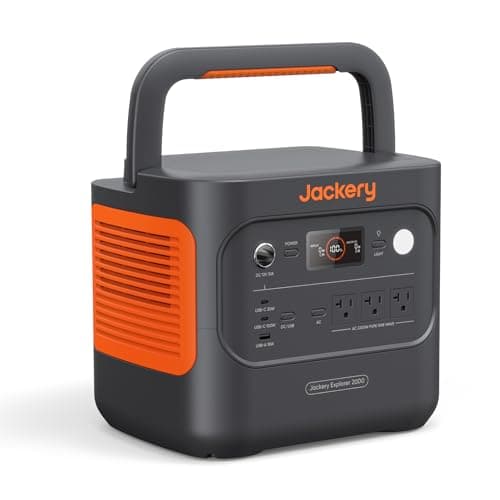
There is no such device as a solar generator. What is being sold is a portable power station — the same battery-and-inverter box covered across the power stations hub — bundled with one or more folding photovoltaic panels. Nothing is generated; the panel recharges the battery, and the battery does all the work.
Understanding that changes how you buy. The battery specification is what determines whether your fridge runs. The panel specification determines only how fast you can refill it, and it is worth paying for exactly in proportion to how long your outages last.
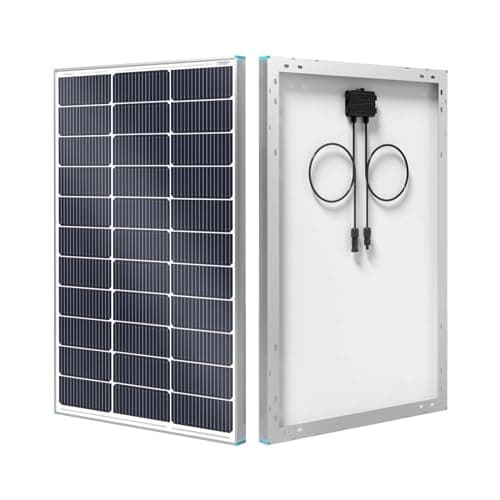
What a 100W panel actually produces
Not 100 watts. The rating is measured under standard test conditions — 1,000W per square meter of irradiance at 25°C cell temperature — which is a laboratory condition, not a backyard in August. In real deployment, expect meaningfully less: panel temperature above 25°C reduces output, the angle to the sun is rarely optimal, and the charge controller takes its share.
The number that matters is daily harvest, not peak wattage. A 100W panel in good conditions with reasonable placement delivers roughly 400–500Wh across a summer day. That is about half of a 1,000Wh station. Two panels roughly refill it. In December, in cloud, at a northern latitude, it can be a small fraction of that — which is the honest answer the cloudy-day page works through properly.
Cost, wiring, and the rooftop question
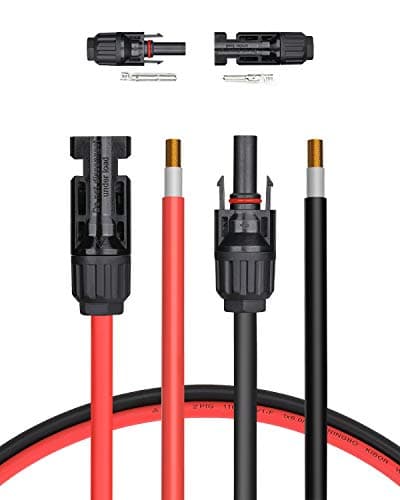
What a solar generator costs works in cost per watt-hour rather than sticker price, which is the only figure that makes two units comparable. If you are building an array, series versus parallel wiring covers the two controller limits you must stay under and the cold-weather margin that destroys controllers.
And the fact that surprises most homeowners: grid-tied rooftop solar produces nothing during an outage. That is a safety requirement rather than a fault, and it is worth knowing which architecture you have before you need to.
Buying a solar setup on a budget
Under a thousand dollars the panel is the half that gets skimped, and the result is a large store of energy you cannot refill. The under-$1,000 roundup covers how to split the money between battery and array, and what a day of sun actually returns.
When the panel earns its money
The arithmetic is straightforward. If your outage is four hours, the battery never empties and the panel contributes nothing you needed — it is a $200–300 accessory serving no purpose in that event.
If the outage is three days, the picture inverts completely. A 1,000Wh battery running a fridge is empty by the second morning and then it is a heavy plastic box. With panels it recovers several hundred watt-hours every daylight period, which is the difference between food that keeps and food that does not. The panel is not a luxury in that scenario; it is the thing that makes the battery work at all.
So the decision is not “is solar good”. It is: does my household get multi-day outages? For the roughly nine hours of major-event interruption the EIA recorded per U.S. customer in 2024 — concentrated overwhelmingly in hurricane-affected states — the answer for some households is emphatically yes, and for others it is no.
Fixed panels and the box behind them
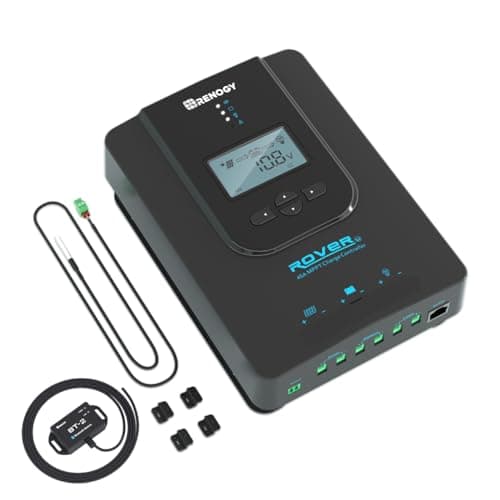
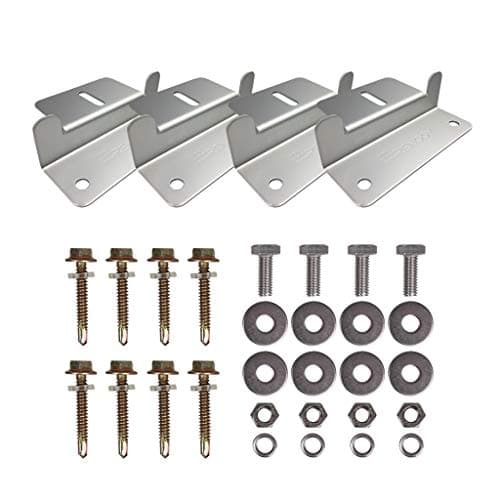
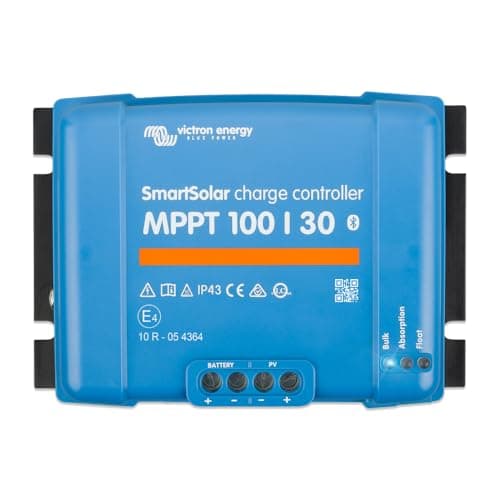
Folding panels are only half this hub. RV solar panels covers roof-mounted arrays, which produce every day without anyone remembering to put them out, and the charge controller roundup covers the component that decides how much of an array you actually get.
The question the name causes
Because the category borrowed the word generator, people ask whether a solar generator is safe inside the house. It is — it is a battery, it burns nothing and it emits nothing — and that page also covers rain, heat, fan noise and which part of the setup has to stay outdoors.
Panels versus the alternative recharge paths
Solar is not the only way to refill a battery mid-outage, and it is often not the cheapest:
- The car. Almost every station accepts 12V charging. It is slow — typically 100–120W — but a car has a large tank and you probably already own one.
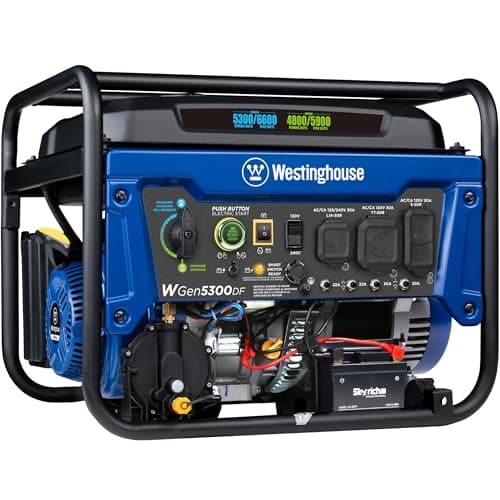
- A small generator. Slightly absurd on paper, but genuinely efficient in practice: run the generator for two hours to refill the battery, then run the house silently off the battery overnight. You get generator endurance with battery quiet.
- Somewhere with power. Outages are frequently localized. An office, a relative, a café with power will refill a station in about an hour on modern fast-charging units.
Solar wins on one axis the others cannot touch: it works when there is no fuel, no working gas station and nowhere within driving distance with power. That is precisely the regional-disaster scenario, which is exactly when you most need it. Whether you buy for that scenario is a judgment about where you live, and it is yours to make rather than ours to assume.