A cabin is not an outage
Every other page on this site assumes the grid comes back. That single assumption does a lot of work: it means capacity buys you time, and time is all you need.
Off-grid, nothing comes back. The battery is not a reserve, it is a buffer between what the sun delivers and what you use — which inverts the priorities completely.
| Home backup | Off-grid cabin |
|---|
| What matters most | Capacity — outlasting the outage | Recharge rate — matching daily use |
|---|
| Solar role | Optional supplement | The entire supply |
|---|
| Panel type | Folding, set out when needed | Fixed, producing every day |
|---|
| Seasonality | Matters at the margin | Decides whether the system works at all |
|---|
| Idle time | Months between uses | Months between visits, but charging throughout |
|---|
The practical consequence: buy the solar input capability first and the watt-hours second. A large battery with a small input ceiling is a cabin system that runs down over a week and never recovers.
Size from daily use, not from a single stay
The arithmetic is the same one used for outage solar sizing, with one difference: there is no grid to make up a shortfall, so the panel has to cover the daily use rather than most of it.
A typical weekend cabin load:
- LED lighting, 4 hours: ~150Wh
- Phone and device charging: ~100Wh
- Water pump, intermittent: ~100Wh
- 12V or small compressor fridge: ~400-600Wh
- Laptop or small TV: ~200Wh
- Total: roughly 1,000 to 1,150Wh a day
Apply the sizing formula — daily watt-hours divided by peak sun hours divided by 0.7 — and at 4 peak sun hours that is around 400W of panel. At 3.5 in December it is closer to 470W, and on a genuinely overcast week it is not enough at any size.
Which is why the honest cabin answer is oversize the array. Excess capacity in June costs nothing and rescues October.
Fixed panels, and why folding is the wrong choice here
This is the recommendation that differs most from the rest of the site.
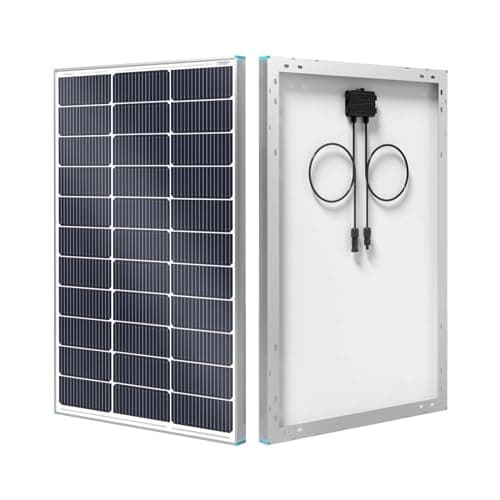
A folding panel is right for camping and for occasional outage use because it packs away and can be aimed. At a cabin it is wrong for one decisive reason: it only produces when somebody is there to set it out.
A fixed roof-mounted array produces every day of the year, including the five weeks between visits. You arrive to a full battery instead of spending the first day of every trip charging.
Fixed panels are also cheaper per watt, survive permanent outdoor mounting, and cannot be stolen as easily as something leaned against a wall. Angle and orientation matters more for a fixed array precisely because you cannot adjust it daily.
Winter is the constraint that decides the system
A cabin system sized on annual-average sun works beautifully in July and fails in January, and there is no grid to hide the failure.
Three responses, and most cabins need two of them:
- Oversize the array. The cheapest of the three, and it costs nothing to run.
- Steepen the panel angle. A steeper tilt favors the low winter sun and sheds snow, at the cost of some summer output you do not need.
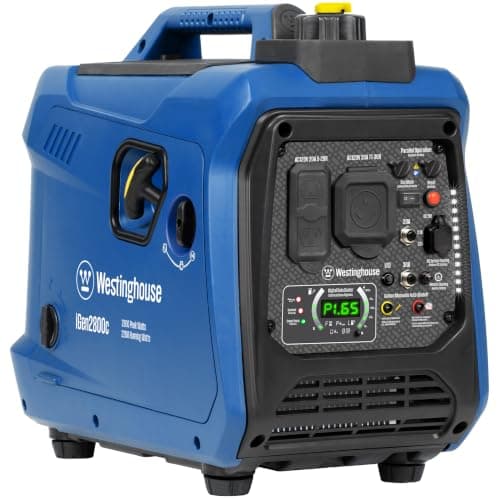
- Keep a small generator. For the overcast fortnight, and for running tools when you are working on the place.
And one thing that is not a response: a bigger battery. Capacity cannot create energy that the panels did not collect.
The unattended problem
A cabin system spends most of its life alone, which creates failure modes the rest of this site does not have.
- Freezing. A battery in an unheated cabin in winter may refuse to charge — battery management systems block charging below a threshold. An insulated box, or taking the unit home over winter, are the two real options.
- Deep discharge. A parasitic load left on for two months can flatten a battery to a state it may not recover from. Switch the inverter off when you leave.
- Rodents. They eat cable insulation, and a cabin is a warm dry place in a cold wet wood. Protect runs where you can.
- Theft. A portable station is portable. Anything not bolted down is worth thinking about.
- Nobody sees a fault. A panel that stops producing in March is discovered in May. Units with app monitoring and a cellular or satellite link solve this; most do not.
Where a power station stops being the right shape
Be honest about the boundary. A portable station plus panels is an excellent cabin solution up to a point, and past that point a proper off-grid installation is the better answer:
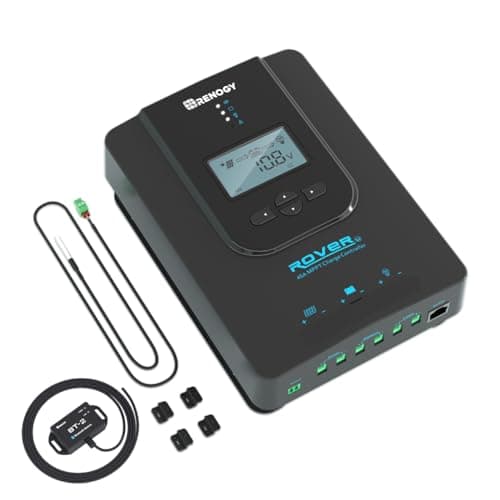
- Above roughly 6kWh of storage, a permanently installed battery bank with a separate inverter and charge controller costs less per watt-hour and is serviceable component by component.
- If you need 240V for a well pump or a workshop, most portable stations are 120V only.
- If circuits are hardwired, you need a transfer switch or a proper distribution panel rather than extension cords.
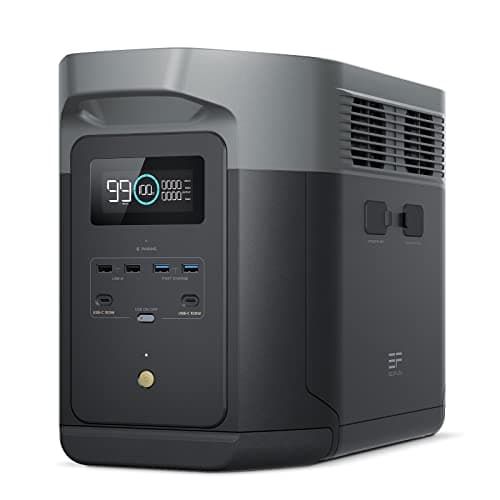
Below that, a station is simpler, needs no electrician, and can go home with you for the winter — which for a seasonal cabin is a genuine advantage rather than a compromise. The 2kWh tier is where most cabin systems sensibly land.