Why scenario beats specification
Every other site in this category organizes by product: best power stations, best generators, best solar. That is a useful way to compare two things you have already decided between, and a poor way to decide.
A reader arriving with “my power went out for two days last winter and I do not want that again” does not have a product question. They have a situation, and the situation determines which product category is even relevant. Sorting by product forces them to learn three categories in order to eliminate two.
So these pages start from the situation. Each one carries its own sizing arithmetic, its own kit list — the full set, not just the headline machine — and three budget tiers with real picks, because budget is a constraint people actually have rather than an afterthought.
How the three differ
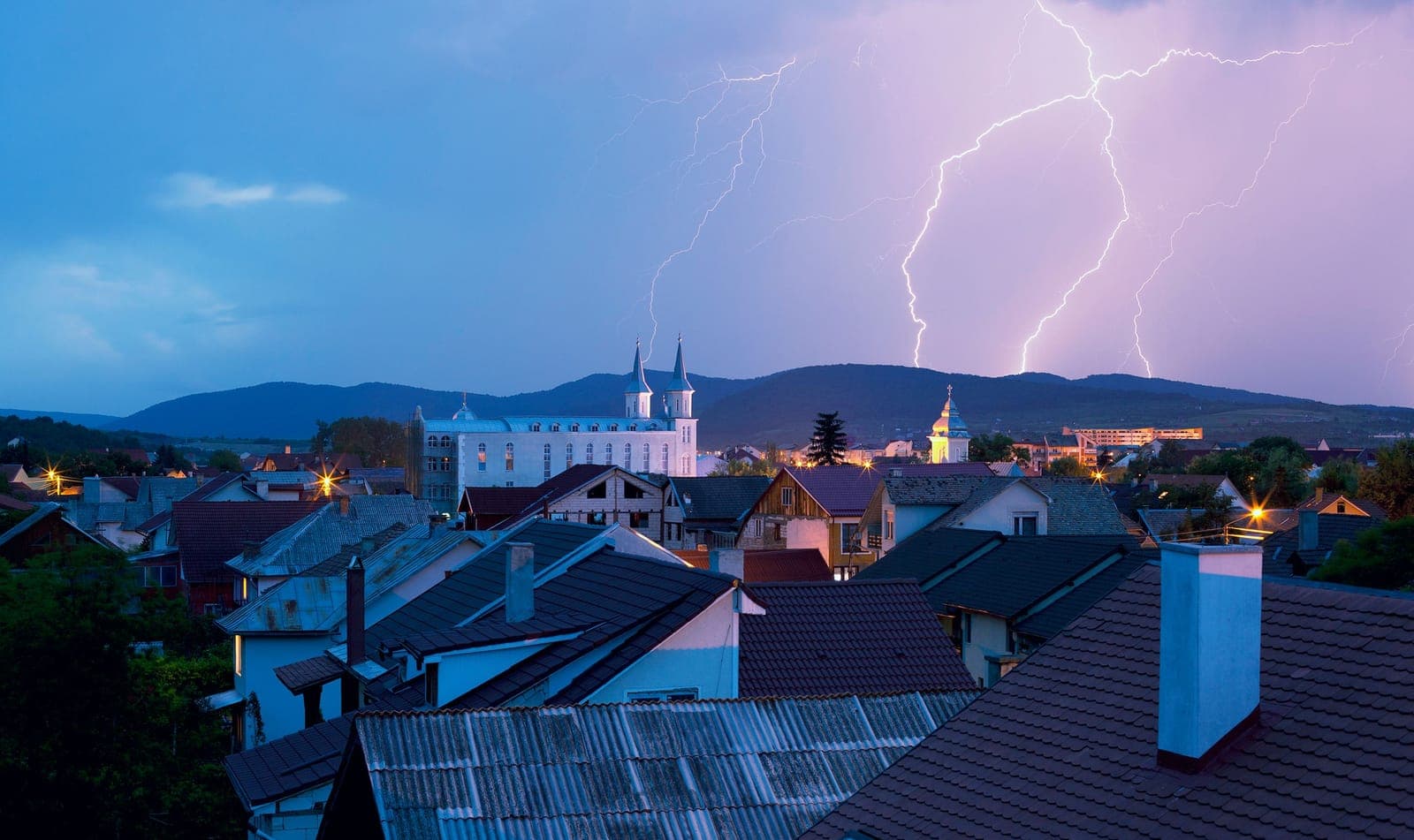
Storm outage optimizes for endurance and for indoor-safe operation. Nobody cares what it weighs, because it lives in a closet and gets carried ten feet twice a year. Capacity and the ability to keep going for days are everything. Noise matters only because your neighbors are also awake and also miserable.
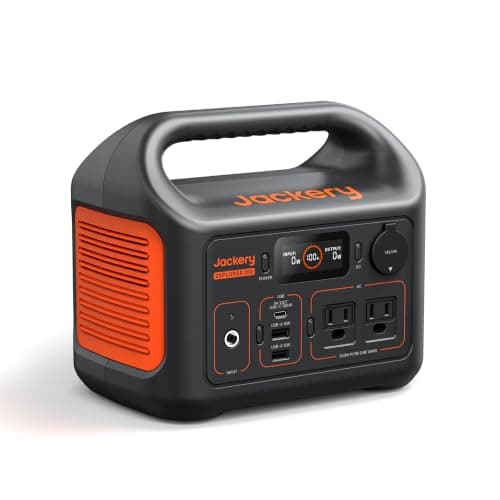
Camping and RV inverts almost all of that. Weight is the binding constraint because you carry it. Silence is not a courtesy but a requirement — most campgrounds have generator hours, and some ban them outright. Solar goes from a nice-to-have to the central feature, because you are somewhere with no outlets by definition. Capacity requirements are usually far lower, because you are not running a refrigerator that must not warm up.
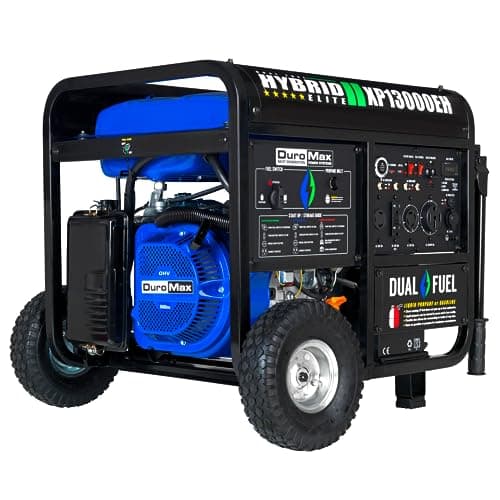
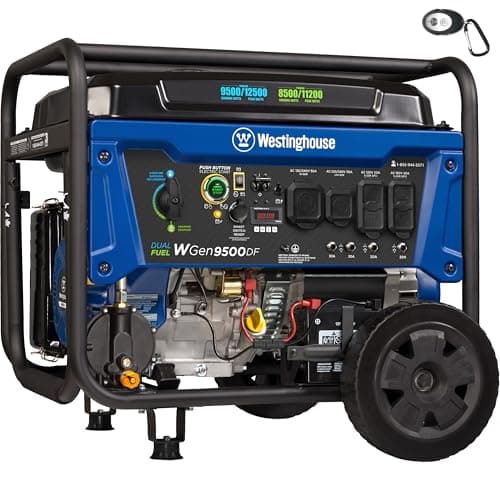
Whole-home is a different order of problem. Once central air conditioning, an electric range or a well pump enter the list, portable batteries drop out entirely on inverter capacity, and the conversation becomes a large generator with a transfer switch or a standby installation. It is a project with a permit rather than a purchase with a delivery date.
The overlap is real, and it is worth planning for
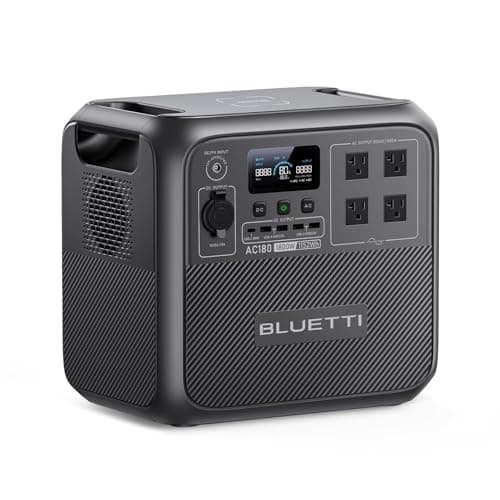
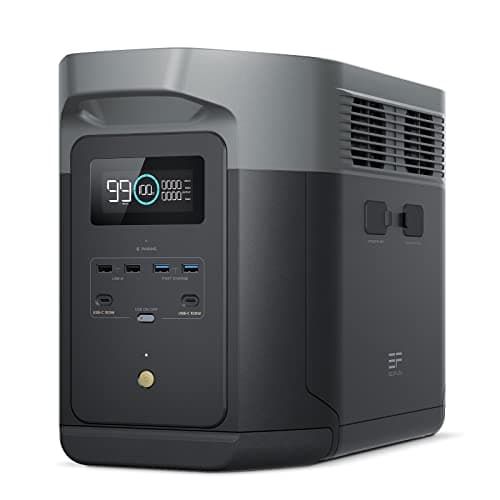
A useful thing nobody says: one machine often covers two scenarios well, and buying with both in mind gets you more for the money. A 1,000–1,500Wh station with a solar panel is a strong camping purchase and a strong short-outage purchase. Its cost is easier to justify when it earns its keep four weekends a year rather than sitting in a closet waiting for weather.
What does not overlap is storm and whole-home. The equipment for a multi-day whole-house outage is fixed, heavy, fueled and connected to your panel. It is not going anywhere and it does not do anything else. If you find yourself trying to buy one machine for both, you are probably about to overpay for a portable that still will not run your air conditioning.
Three more, added recently
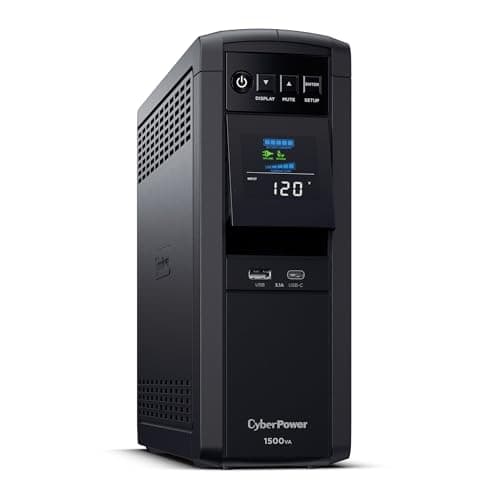
A hurricane evacuation inverts every assumption here — weight and recharge speed matter more than capacity, because you will pass wall outlets. A home server and smart home is one of the cheapest scenarios to solve, because the whole stack is a couple of hundred watts. And a vacation rental rules out generators entirely, because the person on site is a guest who will not read a manual.
Jobsite, and the scenarios beyond the first three
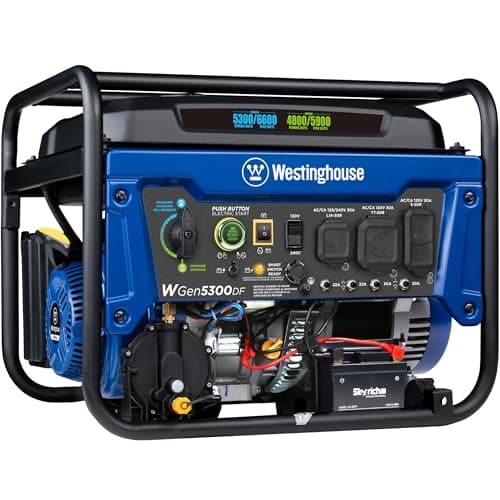
Jobsite power — where the constraints are duty cycle, tool surge and theft resistance — is published: the jobsite scenario covers the loads, and the jobsite generator roundup covers the machines.
Four more sit alongside it, each with a constraint the others do not have. A food truck is the case where the power is the business. A farm with livestock has loads whose grace period is measured in minutes. Off-grid living is a daily energy budget rather than an outage. And a home workshop turns out to be a much smaller problem than people expect.