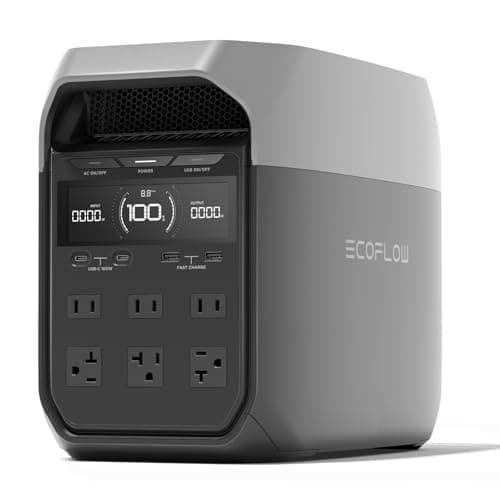
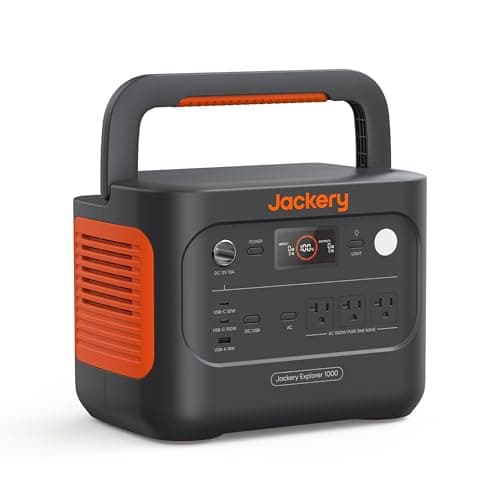
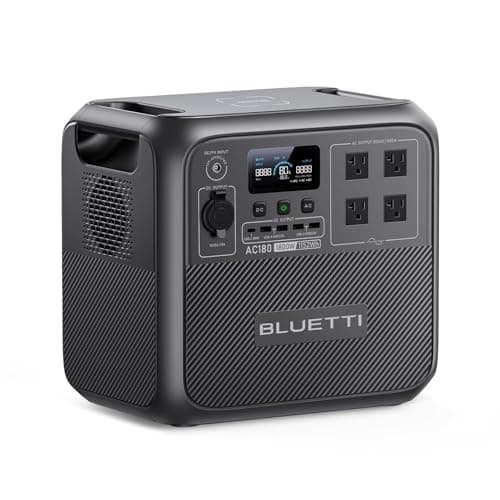
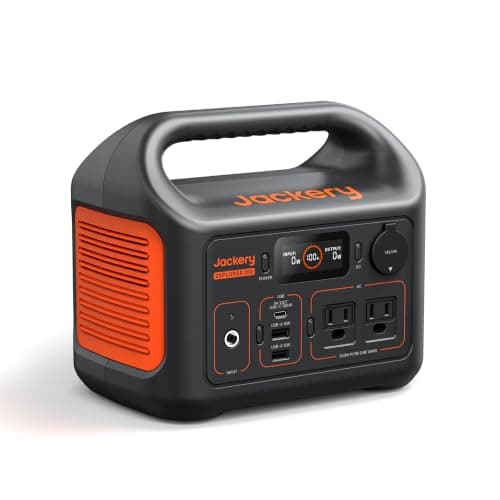
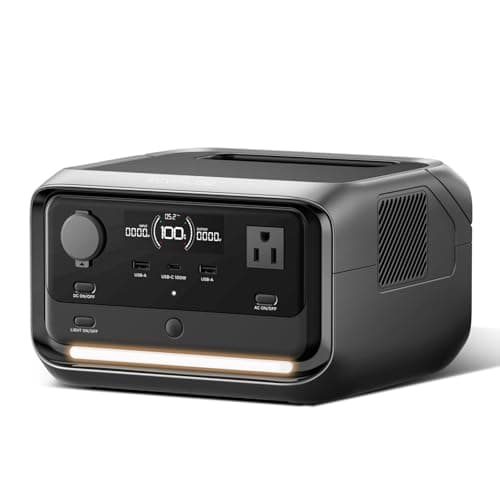
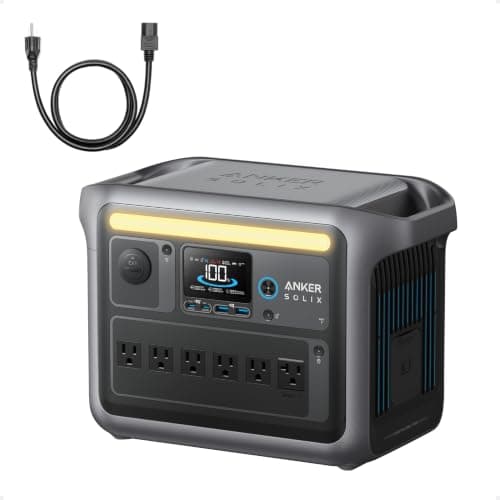
Pick the band, then pick the unit
Brand arguments dominate this category and decide almost nothing. Capacity band decides nearly everything, and it is set by what you intend to plug in rather than by what you want to spend.
| Band | Covers | Does not cover |
|---|
| 250-350 Wh | Phones, laptops, lights, router, CPAP without humidifier | Anything with a motor or a heating element |
|---|
| 1,000-1,200 Wh | A refrigerator overnight, plus lighting, devices and the network | A full day without load shedding; any 240V appliance |
|---|
| 2,000-2,100 Wh | A fridge and freezer through a long outage, or a work day | Air conditioning; electric heat of any kind |
|---|
| 3,000 Wh and up | Multi-day critical loads, and with 240V models a well pump | Being carried. These are wheeled appliances |
|---|
Two bands cover most buyers. Work out which one you are in from your own load list — the sizing page does that arithmetic properly — and the shortlist inside the band is short.
The four specifications that matter
In the order they should influence the decision.
1. Watt-hours. How much energy is stored. Divide by the average watts your load draws, then take about 15% off for inverter losses, and you have your hours. Everything else is detail by comparison.
2. Inverter watts, continuous and surge. The ceiling on what you can run at all. A 1,000Wh battery with a 300W inverter cannot start a refrigerator no matter how full it is.
3. Cell chemistry. LiFePO4 publishes 3,000 to 6,000 cycles where older lithium-ion chemistries publish 500 to 800. The chemistry comparison explains why the endpoint of the cycle test matters as much as the number.
4. Recharge paths. Wall speed decides how much you recover during a brief restoration. Solar input decides whether the battery is a bucket or a well — the panel arithmetic is less flattering than panel ratings suggest.
What a full battery actually runs
Using an 1,056Wh unit and an 85% inverter efficiency assumption, which is the figure used across this site and set out on the methodology page.
| Load | Average draw | Hours from 1,056 Wh |
|---|
| Refrigerator | 150 W average, cycling | About 6 hours |
|---|
| Router, modem and a laptop | 85 W | About 10.5 hours |
|---|
| CPAP without humidifier | 30-40 W | Three nights |
|---|
| Space heater on low | 750 W | Just over an hour |
|---|
Figures are capacity x 0.85 / load. Refrigerator draw is the 150W cycling average used throughout this site; heater and device figures are typical nameplate ratings.
The heater row is the useful one. Electric heat is the load that makes every battery look small, which is why staying warm without power is a different problem from staying powered.
Where a generator is the better buy
Being honest about the boundary saves people the most money in this category.
A battery is quiet, safe indoors, needs no fuel and cannot be refilled from a can. A generator is loud, must stay outside, needs fuel — and can run for days if you keep feeding it. For outages measured in hours the battery usually wins; past a day, the arithmetic reverses unless you have real solar behind the battery. The direct comparison works the whole thing through.
The short version
- Band first. 300Wh for devices, 1,000Wh for a fridge overnight, 2,000Wh for a long outage.
- Check the inverter, not just the battery. Surge rating decides whether a motor starts at all.
- LiFePO4 unless there is a reason not to. The cycle numbers are not close.
- Recharge speed is an outage feature. Power comes back in fits and starts before it stays on.