Why the accessories decide whether the machine gets used
A generator on its own does almost nothing useful. It has to be twenty feet from the house for carbon monoxide reasons, which means a cord. It has to run in the rain that caused the outage, which means a cover. It has to be refueled without spilling gasoline on a hot muffler, which means a proper can. And it has to still start next winter, which means treated fuel and an oil change.
None of that is optional, and all of it costs a small fraction of the machine. The common failure is spending everything on watts and nothing on the four items that make watts reachable.
The five that actually matter
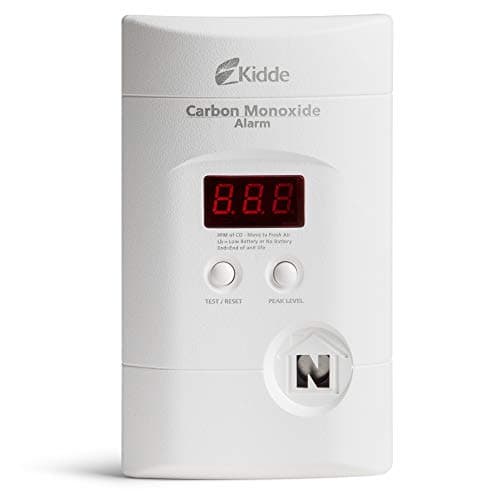
- A carbon monoxide alarm. Not a generator accessory in the marketing sense, and the only genuinely non-optional item here. The picks.
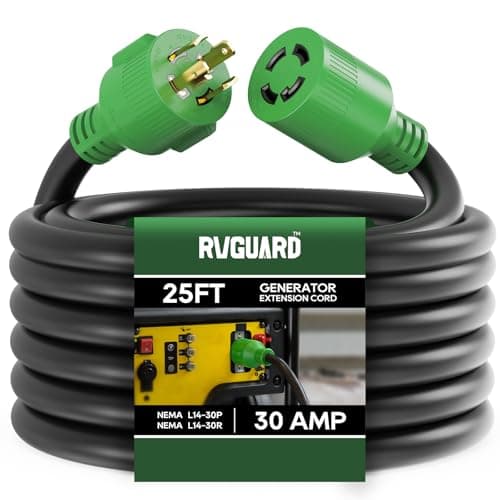
- A cord rated for the load. Undersized cord is a fire, not an inconvenience. Gauge and length.
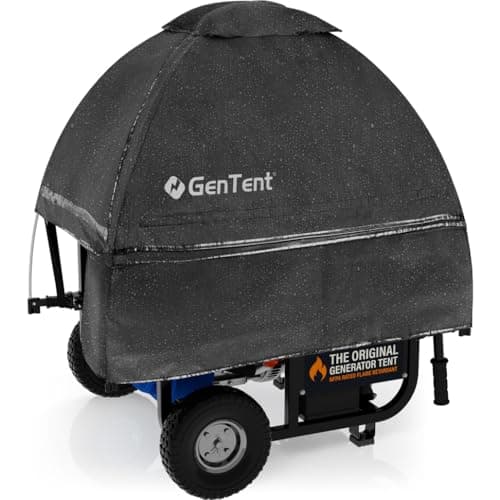
- A running cover. Rain is the weather that causes outages. A tarp is not a cover. What a running cover is.
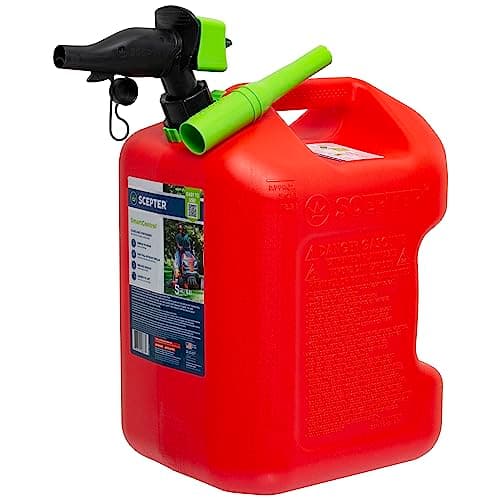
- Fuel cans and a stabilizer. Stale gasoline is the single most common no-start cause. Cans and storage.
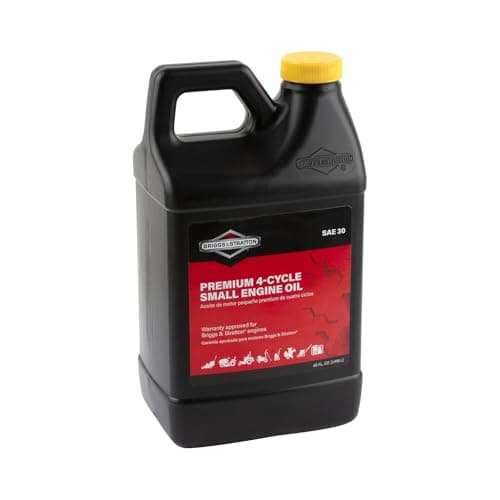
- Oil, on a shelf, before you need it. The maintenance kit is three items and takes an hour twice a year.
Measure first, and the one that is not electrical
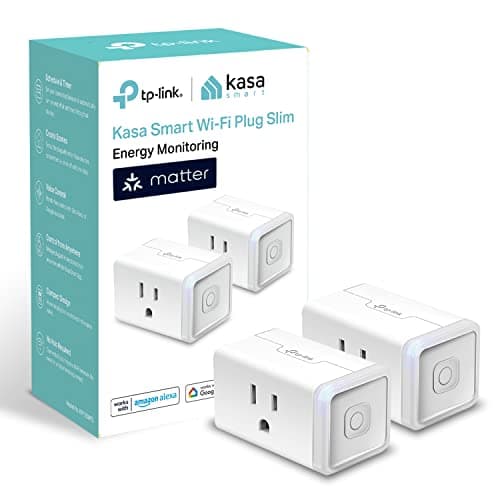
The cheapest purchase on this site is arguably a smart plug or an energy monitor, because almost everybody guesses their load high and buys two or three times the generator they need.
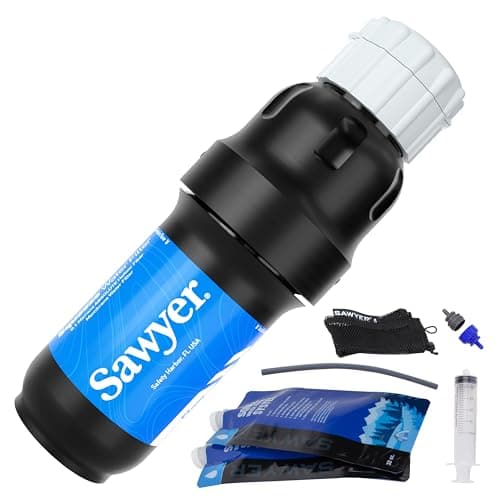
And one that is not about electricity at all: emergency water filters. On a well, power and water are the same system — when the pump stops you lose drinking, washing and flushing together, which makes water the most urgent item on a rural outage list.
Three for the rest of the year
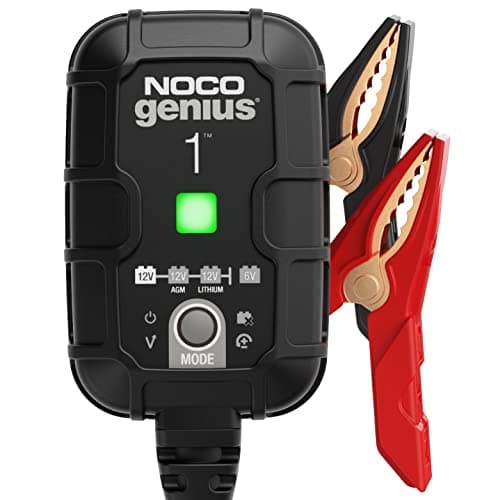
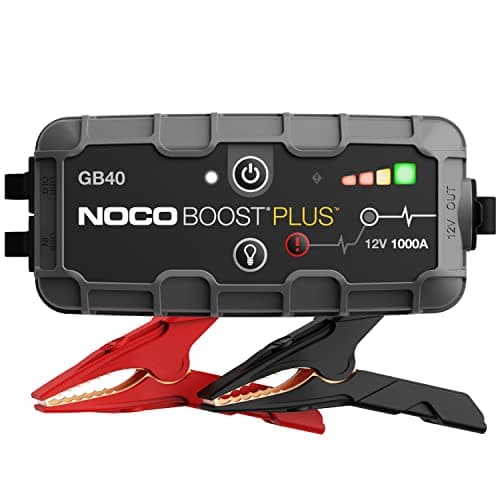
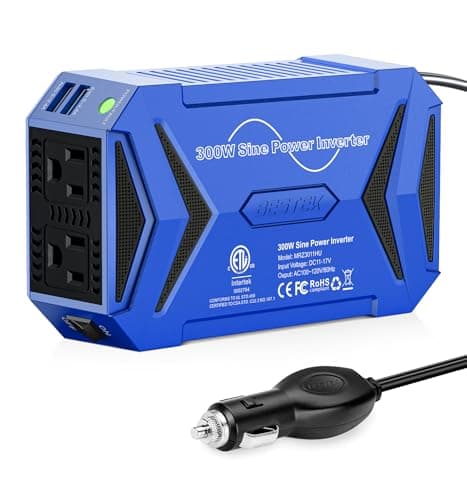
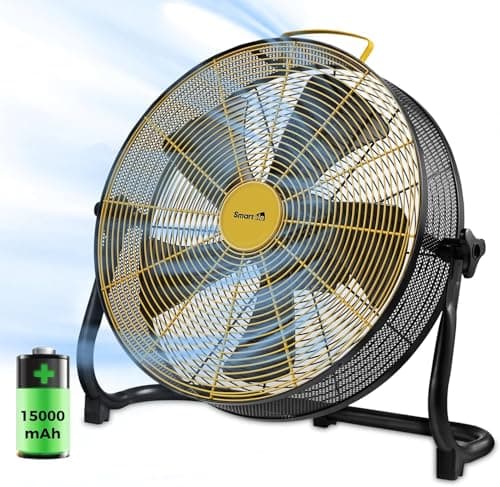
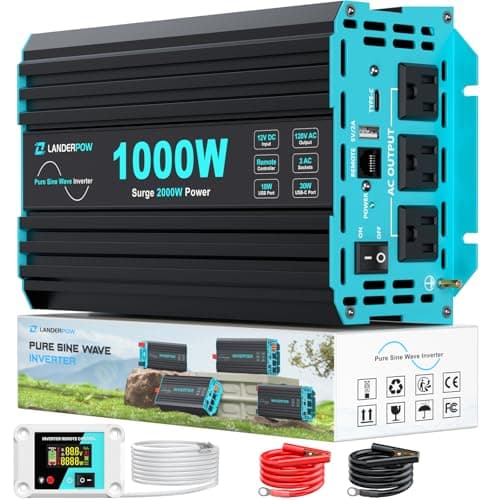
Not everything here is a generator accessory. Battery powered fans are the most useful thing you can buy for a summer outage, and CFM is the specification almost nobody publishes. Jump starters matter because the storm that takes the power also takes the temperature down. And a car power inverter is the cheapest backup power there is, because you already own the battery.
What we deliberately do not sell you
Wheel kits for machines that already have wheels. Branded funnels. Magnetic dipstick trays. Hour meters on generators that ship with one. Every category accumulates accessories that exist because the margin is good, and this one is no exception.
The test we apply is simple: does the absence of this item stop the generator being used safely, or stop it starting next year? If not, it is not on the list.
The one for battery owners
If you own a power station rather than a generator, almost none of this applies — no fuel, no oil, no exhaust, no cover. What you may want instead is a panel and a cable long enough to put the panel in sun and the battery in shade. Portable solar panels and the connector guide cover that side.
The one for the desk
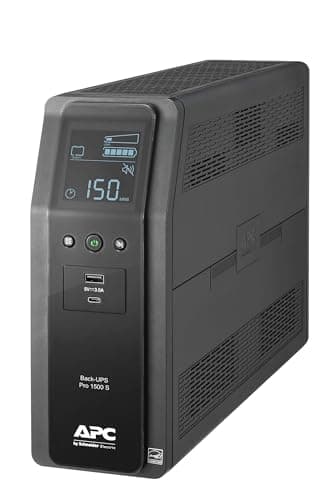
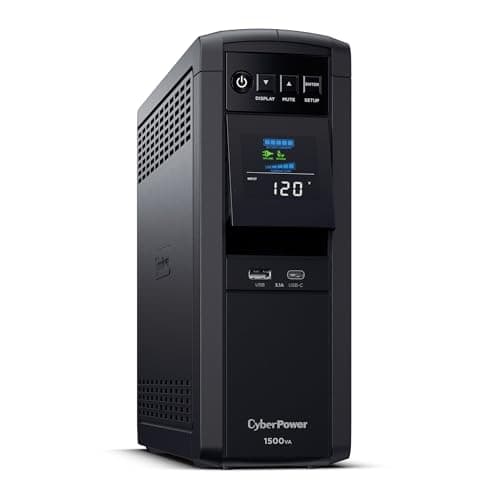
A generator and a power station both answer an outage measured in hours. The thing on your desk needs an answer measured in milliseconds, because a desktop PC has no internal battery and every flicker is a hard shutdown. Battery backup for a PC covers that purchase, and the one specification that decides it.
The one that is a consumable
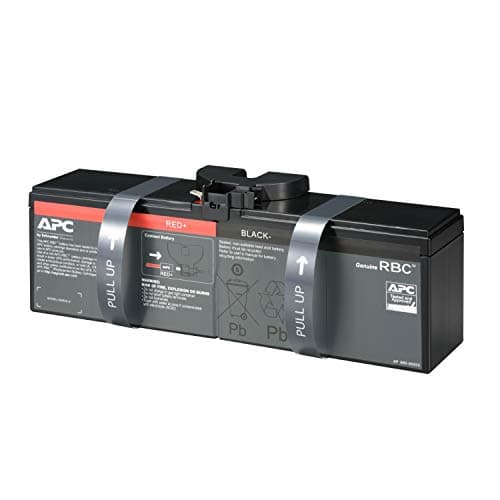
A battery backup unit under a desk has a part that expires on a schedule, quietly, whether you use it or not. UPS replacement batteries covers how to tell yours has gone, which cartridge fits, and the point at which replacing the whole unit is the better call.
The surge that arrives with the storm
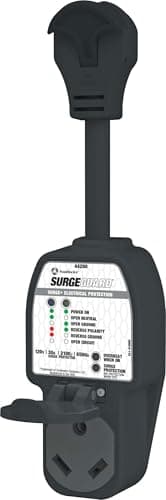
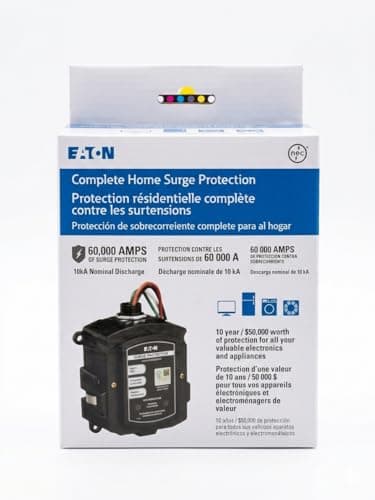
Appliances often fail when the power comes back rather than when it goes out, and a power strip is the wrong place to stop that. The whole-house surge protector roundup explains the UL 1449 Type 1 and Type 2 split that decides where a device may be fitted, what the kA rating actually buys you, and why a panel device does not replace protection behind the equipment you care about.
The switch that works without you
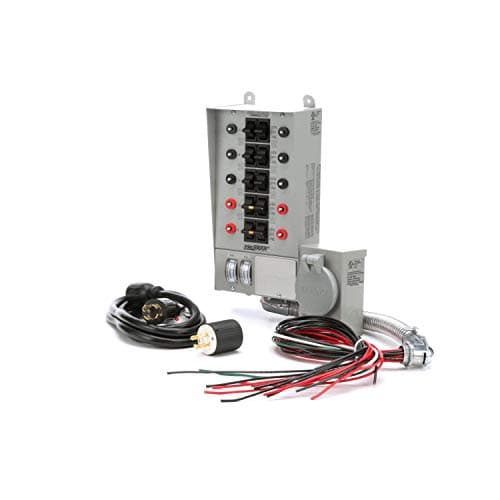
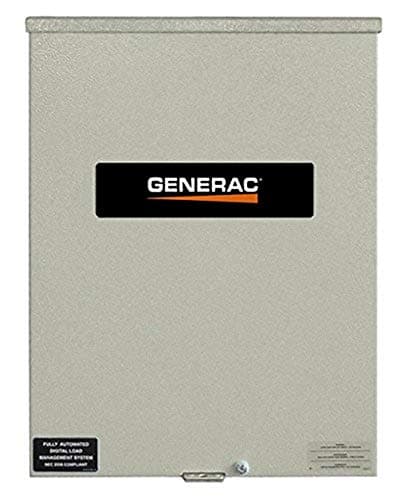
Every transfer switch on the page above needs somebody to throw it. The automatic transfer switch roundup covers the alternatives, sized by service amperage — including the one meter-socket device that transfers by itself while running on an ordinary portable generator, which is the only automatic option that does not require a standby installation first.
The waveform question
Cheap inverters produce a stepped approximation of grid power rather than a clean sine wave, and the difference matters for some loads and not others. Motors, control boards and modern PC power supplies care; a kettle does not. The furnace is the one that catches people out.
The cheapest way to feed a whole panel
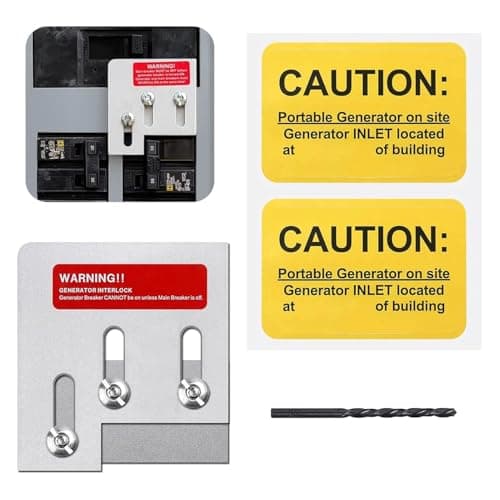
An interlock kit is a metal plate that makes backfeeding the grid physically impossible, and it is the least expensive legal route from a portable generator to every circuit in the house. The interlock kit guide is organized by panel brand, because compatibility here is absolute: Square D, Siemens, Eaton and GE all take different plates.
Buy this list out of season
Cords, cans, covers and alarms all sell out within hours of a storm warning, and they are the cheapest part of the whole setup. Buying them in the spring or fall costs the same money and removes the one scenario where you own a generator you cannot use.
Seasonal accessories
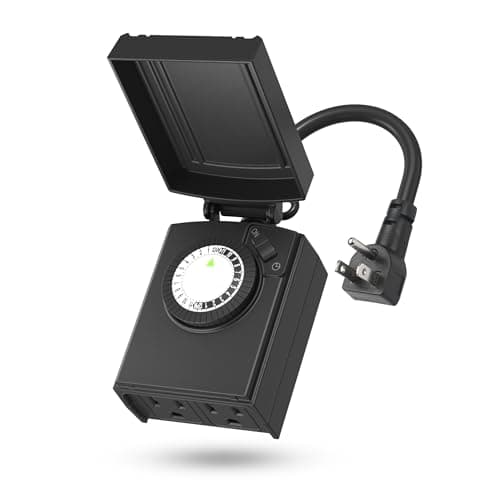
Two categories only matter for part of the year and are worth buying before they do. Outdoor timers and cords for holiday lights covers the weatherproof switching a December display needs, and heated gear for a power outage is the ten-watt answer to a cold house, set against the fifteen hundred watts a room heater needs.