Outages are not one thing
The EIA's Electric Power Annual for 2024 records an average of eleven hours without power per U.S. customer across the year — the highest in a decade, and roughly twice the average of the preceding ten years. But that single figure conceals two completely different events.
About two of those hours were ordinary faults: a tree on a line, a failed transformer, a car into a pole. They last minutes to a couple of hours, they are annoying, and they cost you nothing. Nearly nine hours came from major events, and in 2024 Hurricanes Beryl, Helene and Milton alone accounted for 80% of all outage hours nationally. Those are the multi-day events, and they are where the money goes. Customers in South Carolina averaged nearly 53 hours in 2024; customers in Arizona, the Dakotas and Massachusetts averaged under two.
The practical consequence: your local history matters more than the national average. A household in a hurricane corridor and a household in Phoenix are solving different problems and should buy different things.
What an outage actually costs
In rough order of expense, and none of it is the inconvenience of the dark:
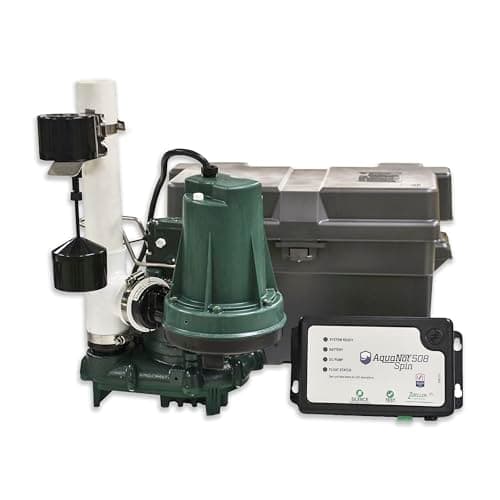
- A flooded basement. A sump pump stops when the power does, and heavy rain is exactly the weather that takes the power out. This is a five-figure repair and it is the most under-prepared failure in the category.
- A freezer full of food. A full freezer holds safe temperature for roughly 48 hours unopened, a half-full one about 24 — a refrigerator on its own, around four. Those are the USDA's figures and they assume the door stays shut.
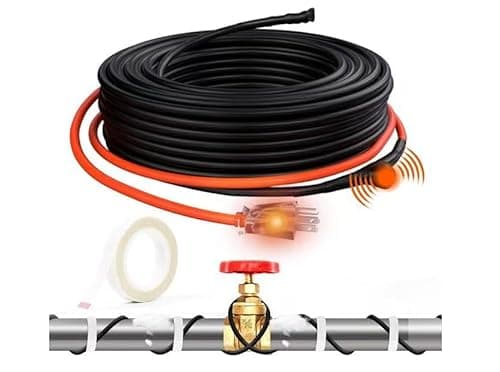
- Frozen pipes. In a winter storm, no furnace means no circulation, and a burst pipe costs more than the generator would have.
- Surge damage on restoration. Power does not come back gently. The spike as the grid re-energizes is what actually kills televisions and computers, and it happens after the outage is over.
The one that is free, or nearly
If you have a gas fireplace, check which ignition type it uses before winter — the fireplace page explains why a standing pilot works through an outage with no electricity at all, and why an electronic ignition unit will not light. Testing it takes two minutes with the breaker off.
The things worth doing that cost nothing
Before any purchase: keep the fridge and freezer shut, and know in advance which items you would move between them. Unplug sensitive electronics as soon as the power goes, not when it returns — the damaging surge arrives on restoration. Fill a bath if you are on a well pump, because no power means no water at all. Know where your main breaker is, and know that if you have a gas water heater you probably still have hot water for a while.
The other free move is knowing your own outage history. Your utility publishes it, and so does its regulator. Fifteen minutes finding out whether your street loses power for two hours twice a year or for three days every other winter will save you more money than any review on this site.
The systems that stop when the power does
Five pages on loads people discover matter only once they are gone. In winter, a furnace is the best value in the category, because it burns its own fuel and only needs power for the blower — where an electric space heater is the worst possible battery load. In summer, staying cool is a fan problem rather than an air conditioning one.
And two that depend entirely on which type you have: a water heater often keeps working without any power at all, and a septic pump only matters if your system is pumped rather than gravity-fed.
Two homes that change the plan
A house heated by electricity cannot have its heat backed up by any portable battery, and the honest plan puts warmth on propane and the battery on everything else. A manufactured home has a smaller service, tighter space outdoors and park rules to check — all three change what to buy.
The rack in the closet
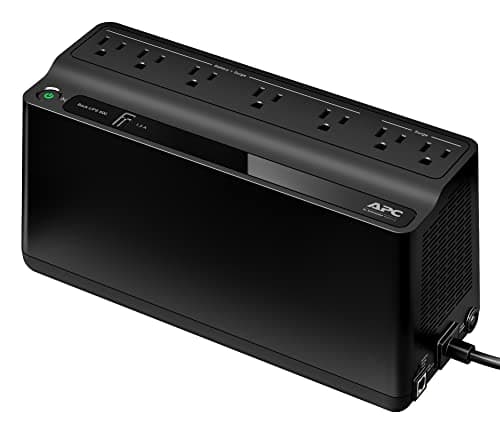
Home labs and small-office racks are the one load where losing power costs data rather than comfort, and they are usually far smaller than their owners think. Backup power for a server rack sizes the UPS, explains why automated shutdown matters more than runtime, and covers what to add when the rack has to stay up rather than shut down cleanly.
Where the products come in
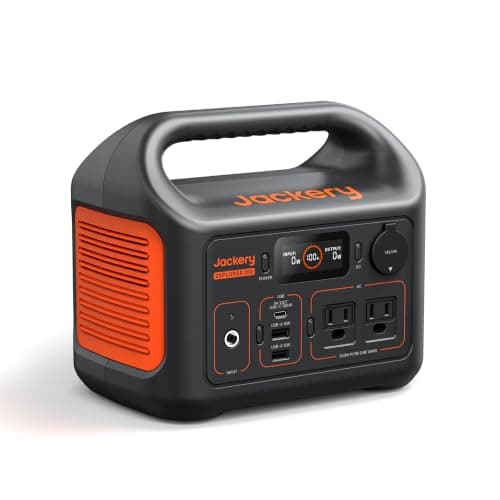
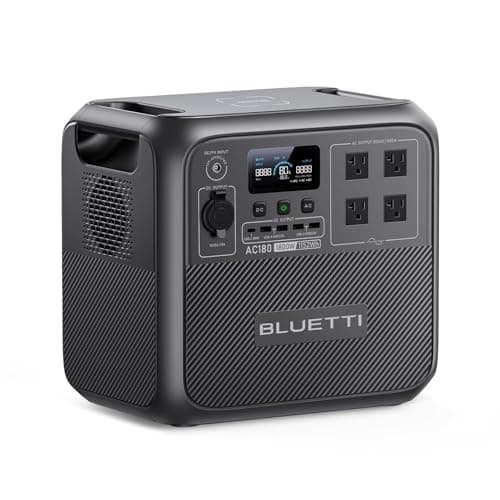
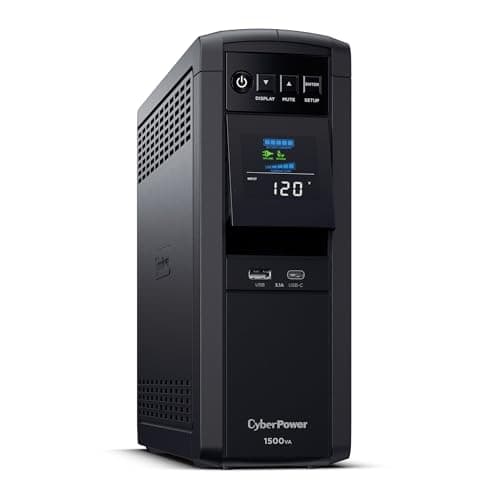
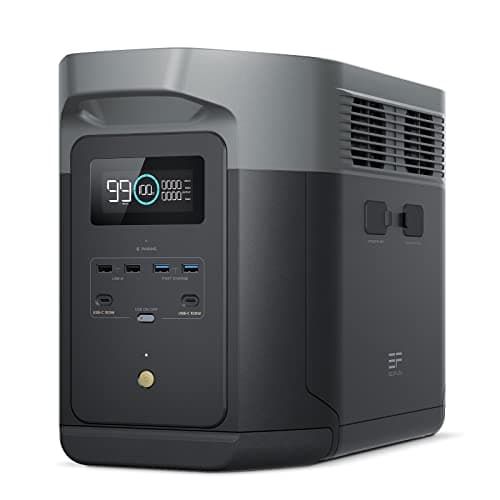
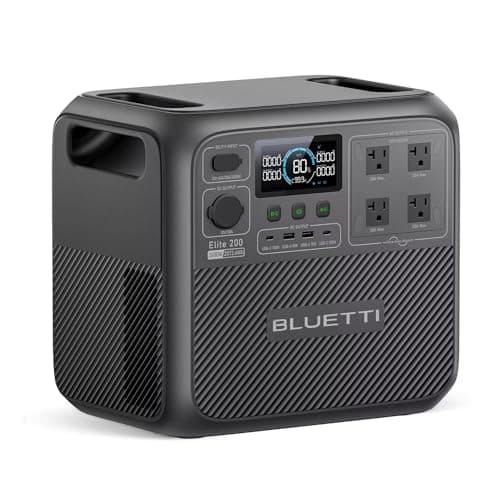
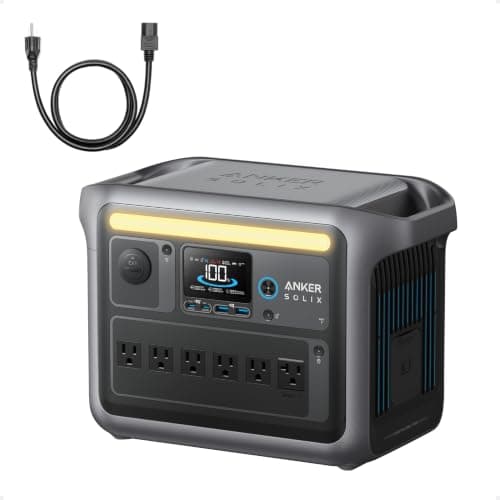
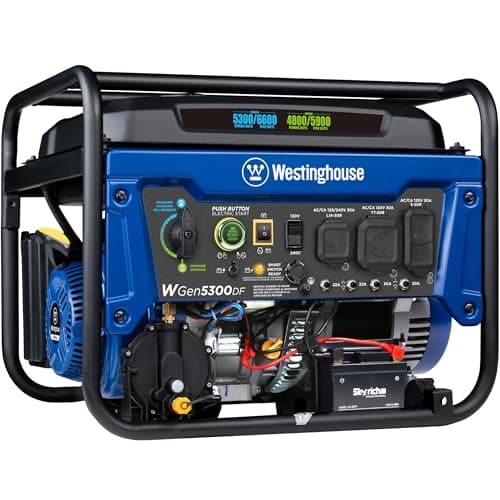
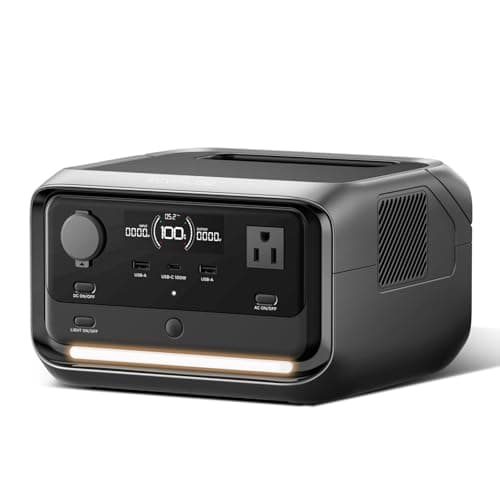
Once you know the shape of your outages, the equipment decision is nearly automatic. Hours: a battery, and a modest one. Overnight: a larger battery, or a small generator. Days: a generator, dual fuel, with a transfer switch and a fuel plan. That mapping is what the duration and capacity page exists to make precise.
What we will not do is sell you a machine for a scenario you do not have. If your power goes out for ninety minutes twice a year, the right purchase is a $200 battery and a working flashlight, and anyone telling you otherwise is selling something.
The small things, and the cost question
Two questions come up more than any others. Which backup option is cheapest for a small home ranks the four routes against published 2026 installed-cost data, and backup power for an automatic pet feeder covers the ten-watt appliance people discover they care about at the worst possible moment. If you are buying for somebody else, emergency preparedness gifts is the list of things people know they should own and never buy.