Start with what the risk actually is
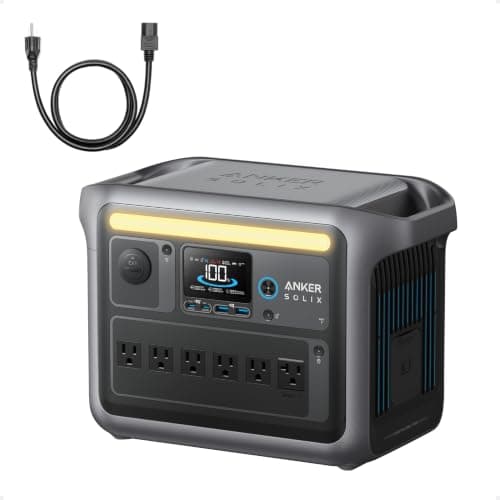
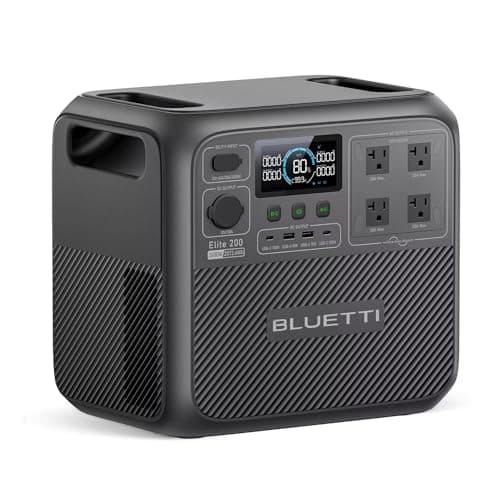
A portable power station is a large lithium battery, an inverter and a charge controller in a plastic case. The failure people worry about is thermal runaway — cells overheating in a self-sustaining reaction.
Two things are worth saying plainly:
It is rare in properly built, properly used equipment. Battery management systems monitor cell voltage, current and temperature and shut things down long before a problem develops. That is what the BMS is for and it is why these products are sold for indoor use at all.
It is not zero, and physical damage is the main path to it. A crushed, punctured or badly dropped pack is a different object from an intact one. So is one that has been charged outside its temperature range repeatedly.
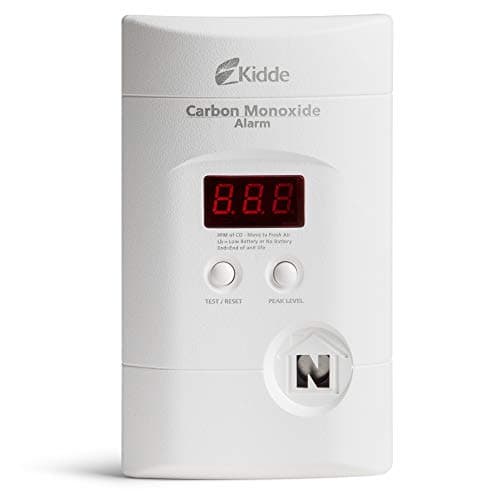
Compare that honestly with the alternative. A generator produces carbon monoxide continuously and involves storing gasoline, and the CPSC publishes fatality statistics on it every year. A battery indoors is the safer product by a wide margin — which is the argument the whole category rests on.
What certification marks mean
| Mark | What it tells you |
|---|
| UL listed or ETL listed | The product has been tested by a Nationally Recognized Testing Laboratory against a safety standard. This is the meaningful one |
|---|
| UN 38.3 | The cells passed transport testing for shipping lithium batteries. Necessary, but a transport standard rather than a product-safety one |
|---|
| FCC | Electromagnetic interference only. Says nothing at all about battery safety |
|---|
| CE | A manufacturer's own declaration of conformity to EU directives, not independent testing |
|---|
| RoHS | Restricted substances. An environmental mark, not a safety one |
|---|
A listing mark from a recognized laboratory is what actually indicates independent safety testing. A product page listing five acronyms, none of which is a listing mark, is telling you something. We do not verify certifications ourselves and we do not publish claims about which products hold which — check the manufacturer's documentation and, where it matters to you, the certifying body's own directory.
Chemistry is the biggest lever
LiFePO4 — lithium iron phosphate — is more thermally stable than the NMC chemistry that dominated the category a few years ago. It tolerates heat better, degrades more slowly, and has a higher threshold before anything goes wrong.
That is a large part of why the whole market moved, and it means a current LiFePO4 unit is a meaningfully lower-risk object than an older NMC one of the same capacity.
It does not make an older unit unsafe. It does mean the two habits below matter more on one than the other. The chemistry comparison covers the trade in full.
The three habits that matter
Almost everything else is detail. These three cover the realistic risks.
1. Keep it cool. Heat is the enemy — it accelerates aging and it is the condition every failure mode needs. Store indoors at room temperature, not in a hot garage, not in an attic, not in a car in summer. Give the vents clearance while it runs.
2. Do not damage it. Do not drop it, do not stack heavy things on it, do not use one with a cracked case or a swollen appearance. Physical damage is the main path from a safe object to an unsafe one.
3. Use the manufacturer's charging equipment. The supplied brick and cables are matched to the unit. Generic or counterfeit chargers are a genuine risk, and the saving is trivial.
Warning signs that mean stop
Rare, and worth recognizing:
- Any swelling or bulging of the case. Stop using it, move it somewhere non-combustible outdoors, and contact the manufacturer.
- Heat at rest. A unit that is warm while doing nothing is not behaving normally.
- Any smell. A sweet or chemical odor from a battery is a stop signal.
- Rapid unexplained capacity loss, or a state of charge that collapses under light load.
- Repeated shutdowns without an obvious overload explanation.
In any of those cases, stop using it, do not charge it, and contact the manufacturer. A warranty claim is cheaper than the alternative.
Where to keep it
- Indoors, at room temperature, in a dry place with some air around it.
- Not against a heat source — a boiler, a radiator, a hot water cylinder.
- Not somewhere you would be trapped by it. Not blocking the only exit from a bedroom.
- Off the floor if flooding is possible. Water and outages arrive together.
- Where you can reach it in the dark, which is a safety point as much as a convenience one.
The storage page covers state of charge and the twice-a-year routine.
Air travel and transport
Worth knowing because it surprises people at a gate.
Lithium batteries above 100 watt-hours are restricted in airline carry-on and generally need airline approval; above 160Wh they are usually prohibited outright. Every power station on this site is far above both thresholds, which means a power station cannot fly with you in either the cabin or the hold.
That is why the largest power banks cluster just under 100Wh, and it is a real constraint if your use case involves travel. Check the current FAA guidance rather than relying on this page — the rules change.
Disposal
A power station does not go in household waste or in a recycling bin. Lithium cells in a compactor start fires, and waste facility fires from discarded batteries are a documented and growing problem.
When one reaches end of life, take it to a facility that accepts lithium batteries — many municipal household hazardous waste sites do, and some retailers run take-back programs. Contact the manufacturer first; several operate their own recycling routes.