The verdict, in one paragraph
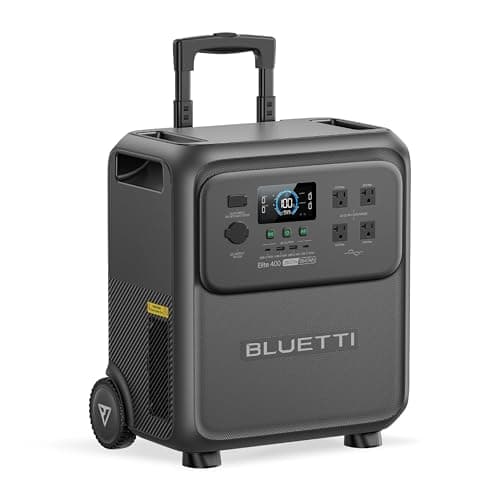
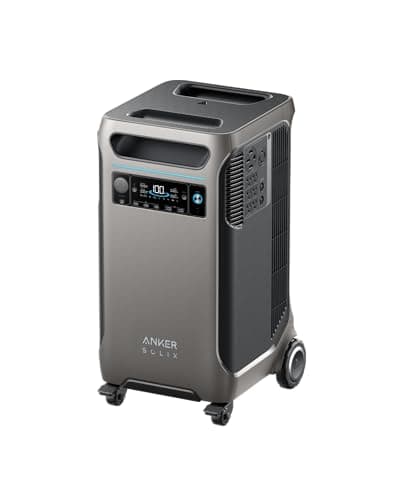
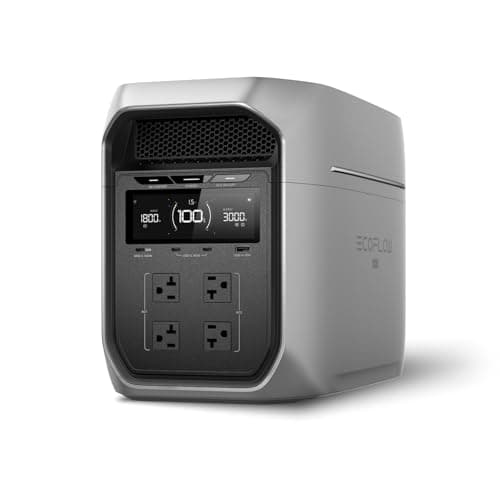
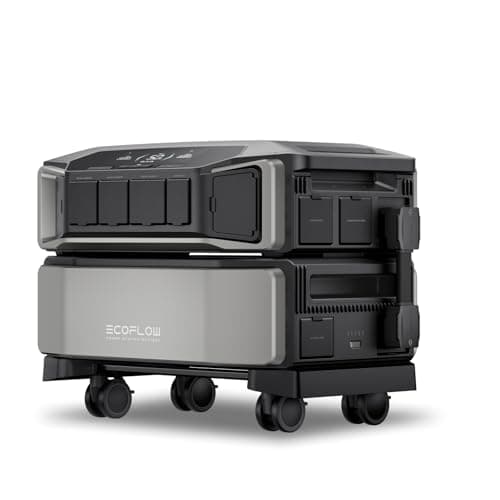
By published rated capacity, the single units with the most energy are the EcoFlow DELTA Pro Ultra at 6,144Wh, then the BLUETTI Elite 400 and Anker SOLIX F3800 tied at 3,840Wh, then the EcoFlow DELTA Pro 3 at 4,096Wh between them. Applying this site's 85% inverter convention, that is roughly 5,220Wh, 3,260Wh, 3,260Wh and 3,480Wh delivered. The important finding is what nobody publishes: no portable manufacturer states a usable-capacity figure at all, and Tesla publishes Powerwall 3 at 13.5kWh nominal — measured at 25°C at beginning of life — rather than as usable energy, with no depth-of-discharge figure in its specification table.
Rated, delivered, and the four things that sit between them
A battery advertised at 2,048Wh does not put 2,048Wh into your refrigerator. Four separate deductions apply, and only the first is ever discussed:
- Inverter conversion loss. Turning DC into clean AC costs energy. This site uses 85% as a standing convention, which is conservative and consistent across every page. Tesla publishes a measured 89% round-trip efficiency for solar to battery to home on Powerwall 3, which is the same phenomenon stated from the other end.
- Depth of discharge. Most systems hold a reserve rather than running cells to absolute zero. Portable manufacturers do not publish a DoD figure; Tesla does not publish one for Powerwall 3 either.
- Standby self-consumption. A unit left ready for a storm draws power to keep its electronics alive. BLUETTI publishes 3W on the Elite 400. Units that draw ten or twenty watts quietly spend hundreds of watt-hours a month.
- Age. Every cycle rating is quoted to a retained percentage — 80% is standard. A 6,144Wh battery at its rated end of life is a 4,900Wh battery.
None of that is a scandal. It is normal battery engineering. It is only a problem when someone sizes an outage plan off the box and finds the real figure is fifteen to twenty percent lower.
Published capacity, and delivered energy at 85%
| System | Published capacity | Delivered at 85% | Cycle rating |
|---|
| EcoFlow DELTA Pro Ultra | 6,144 Wh | About 5,220 Wh | 3,500 to 80% |
|---|
| EcoFlow DELTA Pro 3 | 4,096 Wh | About 3,480 Wh | 4,000 to 80% |
|---|
| BLUETTI Elite 400 | 3,840 Wh | About 3,260 Wh | 4,000+ |
|---|
| Anker SOLIX F3800 | 3,840 Wh | About 3,260 Wh | 3,000+ |
|---|
| Anker SOLIX F3000 | 3,072 Wh | About 2,610 Wh | 4,000 |
|---|
| EcoFlow DELTA 3 Ultra Plus | 3,072 Wh | About 2,610 Wh | Not published |
|---|
| BLUETTI Apex 300 | 2,764.8 Wh | About 2,350 Wh | 6,000 to 80% |
|---|
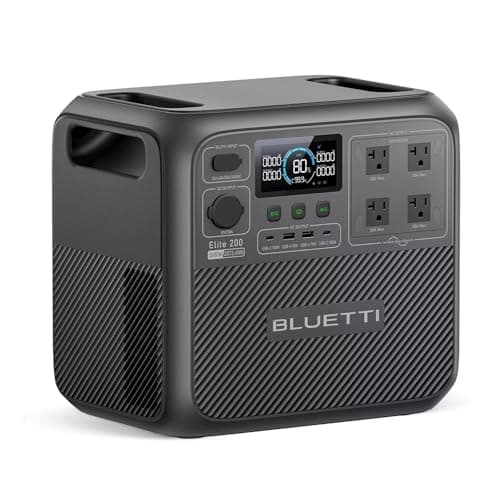
| BLUETTI Elite 200 V2 | 2,073.6 Wh | About 1,760 Wh | 6,000+ |
|---|
| EcoFlow DELTA 3 Max Plus | 2,048 Wh | About 1,740 Wh | 4,000 to 80%+ |
|---|
| Tesla Powerwall 3 | 13.5 kWh nominal, at 25°C, beginning of life | Not derivable — Tesla publishes no DoD | 10-year warranty; cycles not published |
|---|
Capacity and cycle figures are each manufacturer's published numbers, cited under Sources. The delivered column is our arithmetic at the site's standing 85% inverter convention, not a manufacturer claim — we show the sum so you can check it. Current prices sit inside the buy buttons above with their refresh date.
The Powerwall footnote, which is the most honest line in the category
Tesla's Powerwall 3 specification gives 13.5 kWh nominal and attaches a condition most products do not: the figure is measured at 25°C at beginning of life. That is a plain statement that capacity is temperature-dependent and decays, and it is more disclosure than any portable brand offers.
Tesla also publishes an operating range of -20°C to 50°C (-4°F to 122°F) with performance derated above 40°C (104°F). The practical reading: a battery in an unheated garage in January is not delivering its rated number, whoever made it. The cold-weather roundup covers the charging floors that bite hardest in winter.
How to turn delivered watt-hours into hours of your house
Usable capacity only means something against a load. Using this site's standing averages:
- 1,740Wh (a 2kWh unit) — a refrigerator at a 150W average for about 11 hours flat out, or most of a day with the door kept shut and the compressor cycling normally.
- 3,260Wh (a 3.8kWh unit) — a refrigerator, a freezer and a furnace blower through a winter night with margin.
- 5,220Wh (a DELTA Pro Ultra) — the same keep-list for roughly a night and a half, or a disciplined list for two.
Sizing a home battery does this properly from your own appliances, and outage duration and capacity turns your utility's history into the days figure to multiply by.
Three ways to get more usable capacity without buying more battery
- Keep it warm. Capacity figures are quoted at room temperature. A battery kept inside delivers more than the same battery in a garage.
- Shed before you discharge. The cheapest kilowatt-hour is the one you do not spend. Switching a water heater or a space heater off before the battery takes over is worth more than a tier upgrade.
- Buy the low standby draw. For a unit that waits months between outages, a 3W idle versus a 20W idle is the difference between arriving full and arriving at 70%.
The short version
Rated capacity is the number on the box; delivered capacity is the one that runs your refrigerator, and it is roughly fifteen percent lower before you account for reserve, standby draw and age. The DELTA Pro Ultra delivers the most from a single unit, the Elite 400 and F3800 lead the plug-in tier, and the Elite 200 V2 keeps what it has the longest. Nobody in the portable category publishes a usable figure, so do the 85% arithmetic yourself before you size an outage around a headline.