The verdict, in one paragraph
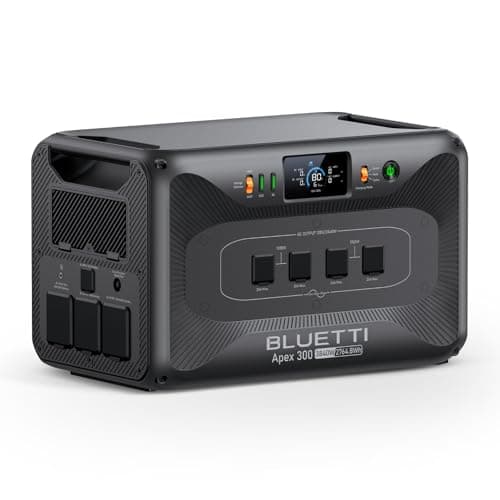
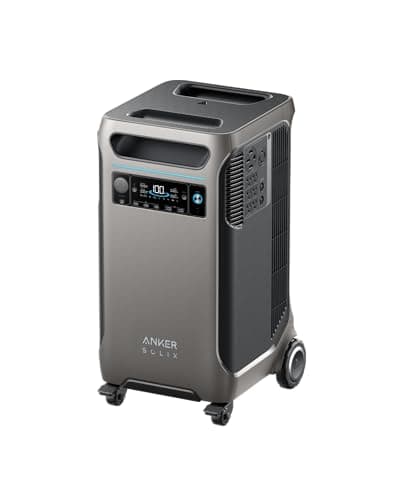
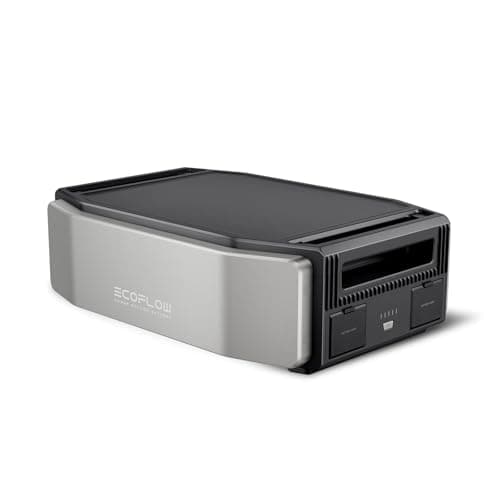
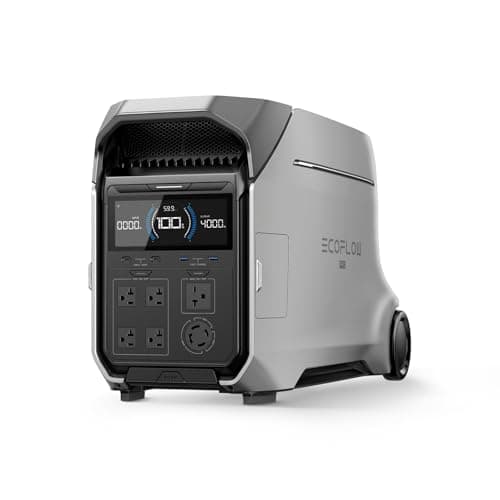
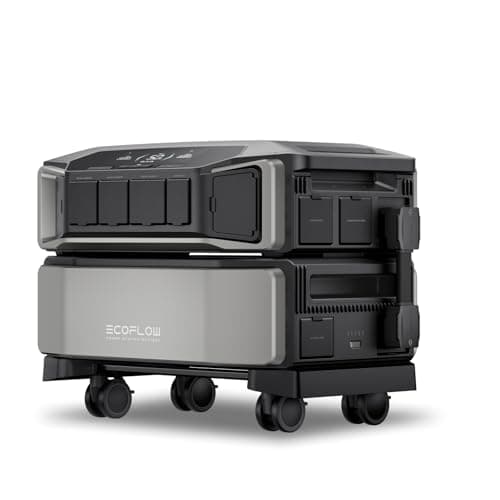
Four residential battery systems publish a path beyond 40kWh of total storage. Ranked by published ceiling: BLUETTI Apex 300 at approximately 100kWh, EcoFlow DELTA Pro Ultra at 90kWh (fifteen batteries across three inverters), Anker SOLIX F3800 at 53.8kWh (two units, twelve batteries, 12kW), and EcoFlow DELTA Pro 3 at 48kWh at system level. Every one of those numbers is a multi-inverter configuration. The single-unit ceilings are far lower: 30kWh for the DELTA Pro Ultra, 26.88kWh for the F3800, about 19.4kWh for the Apex 300, and 12kWh for the DELTA Pro 3.
The two ceilings, and why brochures only quote one
Every system in this class has two different limits, and they get written in the same font:
- The single-unit ceiling. How much battery one inverter will accept. This is the number that matters if you are buying one box and planning to grow.
- The system ceiling. How much the architecture supports once you add more inverters, hubs and panels. This is the number in the headline.
The gap between them is usually three to eight times. It is not marketing dishonesty — both figures are documented — but a buyer who reads only the large one will plan a 90kWh future around a purchase that stops at 30kWh.
Published capacity ceilings, ranked
| System | Base | One inverter, max | System max | Module size |
|---|
| BLUETTI Apex 300 | 2,764.8 Wh | About 19.4 kWh (6 x B300K) | About 100 kWh | 2,764.8 Wh or 5,120 Wh |
|---|
| EcoFlow DELTA Pro Ultra | 6,144 Wh | 30 kWh (5 batteries) | 90 kWh (15 batteries, 3 inverters) | 6,144 Wh |
|---|
| Anker SOLIX F3800 | 3,840 Wh | 26.88 kWh (6 batteries) | 53.8 kWh at 12 kW (2 units) | 3,840 Wh |
|---|
| EcoFlow DELTA Pro 3 | 4,096 Wh | 12 kWh (2 extra batteries) | 48 kWh | 4,096 Wh |
|---|
| EcoFlow DELTA 3 Max Plus | 2,048 Wh | 10 kWh | Not published beyond the unit | 2,048 Wh |
|---|
| EcoFlow DELTA 3 Ultra Plus | 3,072 Wh | 11 kWh | Not published beyond the unit | Not published |
|---|
Manufacturer figures, from the pages cited under Sources. The DELTA Pro 3's two numbers come from two different EcoFlow pages and describe different scopes — we publish both rather than picking the flattering one. Current prices sit inside the buy buttons, with their refresh date.
What 40kWh is actually worth
Forty kilowatt-hours sounds like independence. Apply this site's standing 85% inverter convention and it delivers roughly 34,000Wh to appliances. Against real loads:
- A critical-load panel — refrigerator, freezer, furnace blower, well pump, lighting, network — runs somewhere around 5 to 8kWh a day with discipline. 34kWh is four to six days.
- A whole house behaving normally is a different story. The EIA puts average US residential consumption at 10,791 kWh a year, about 899 kWh a month — call it roughly 30kWh a day. 34,000Wh is therefore a little over one day of ordinary life, not a week of it.
- Summer with central air pushes that daily figure up rather than down, which is why air conditioning is the load that decides whether a stack is sized in days or in hours.
Which of those three you are is the question that decides whether stacking past 40kWh is sensible or theatrical. Outage duration and capacity turns your own outage history into the number, and sizing a home battery does the arithmetic load by load.
The three limits that bite before the capacity limit
Almost nobody hits a published stacking ceiling. They hit one of these first:
- Recharge. A 40kWh bank needs 40kWh back in. At a 1,800W wall input that is over twenty-two hours of grid time, which you may not get between outages. Solar helps and generator input helps more — running a battery and a generator together is the page on that.
- Output, not storage. Stacking adds kilowatt-hours, not kilowatts. Five batteries on one DELTA Pro Ultra is still 7,200W of output. If your problem is that the air conditioner will not start, more batteries change nothing — surge output is the number to look at.
- Money. Each module is a four-figure purchase and the price per kilowatt-hour does not fall as you stack. A 90kWh system is not a scaled-up 6kWh one; it is fifteen of them.
Who should stack, and how far
- Overnight outages, a few times a year: do not stack. One unit in the 2 to 4kWh band is the whole answer, and the home-backup roundup covers it.
- Multi-day winter storms, critical loads only: 15 to 30kWh. One inverter, three to five batteries. Every system here does this without a second inverter.
- Rural property with a well and no reliable grid: 30 to 55kWh, and split-phase matters more than the last 10kWh. The F3800 route is the shortest.
- Whole house including central air, days at a time: the DELTA Pro Ultra architecture, 60kWh and up, with an installer and a smart panel. At this point compare it honestly against a standby generator — generator versus home battery runs the economics.
The short version
Past 40kWh the list is short and every entry on it is a multi-inverter system: BLUETTI Apex 300 at roughly 100kWh, EcoFlow DELTA Pro Ultra at 90kWh, Anker SOLIX F3800 at 53.8kWh, EcoFlow DELTA Pro 3 at 48kWh. Buy on the single-unit ceiling, because that is what one purchase actually gets you, and check the recharge path before the capacity ceiling — storage you cannot refill is storage you use once.