The outage is not the problem
Worth establishing before anything else, because it reframes the whole subject.
During an outage, nobody objects to a generator. The neighbors are in the dark too, several of them are charging phones from your porch, and a running engine is a reassuring sound rather than an annoying one.
What generates complaints is the exercise cycle — the weekly self-test that runs for several minutes whether or not anything has happened, at the same time, every week, for the life of the machine.
Ten years of Sunday mornings is roughly five hundred occasions. That is the thing to design around.
Set the exercise schedule deliberately
Most systems let you choose the day, the time and in some cases the duration. It is a setting people accept as delivered and then live with for a decade.
- A weekday, mid-morning. Fewest people at home, and nobody is being woken.
- Not early morning, not evening, not weekends. Those are the three windows complaints come from.
- Ask what the shortest permitted duration is. Some systems allow a shorter cycle, which still exercises the engine adequately.
- Tell your neighbors when it is. Genuinely effective — a predictable noise somebody has been warned about is tolerated far better than an unexplained one.
Do not skip the exercise cycle itself. It is what keeps the engine healthy and circulates oil, and it accumulates the hours that make the break-in service due — the maintenance page covers why.
Siting is the decision you make once
Everything else on this page is adjustment. Placement is permanent, and it is decided during a survey where nobody is thinking about noise.
| Consideration | Why it matters for noise |
|---|
| Distance from bedroom windows | Yours and the neighbors'. Sound falls off with distance |
|---|
| Distance from the property line | Often a code requirement, and always a good-relations one |
|---|
| Solid mass in between | A garage wall or the house itself blocks sound; a fence panel does much less |
|---|
| Hard surfaces nearby | A unit in a corner between two masonry walls reflects sound outward |
|---|
| Which way the exhaust points | Set by the manufacturer's clearances first, and noise second |
|---|
| Cable and gas run length | Pulls the other way — distance costs money, so there is a real trade |
|---|
Manufacturer clearance requirements and local code come first and are not negotiable for noise reasons. Within what they allow, distance and intervening mass are the two levers that actually work.
Raise it at the survey. An installer will site for the shortest cable and gas run unless you tell them otherwise, and that is usually the right answer for cost and the wrong one for the neighbor.
What does not work
- Enclosing it. The single most tempting and most dangerous idea. Standby units are air-cooled and need their stated clearances; a box around one traps heat and exhaust.
- Landscaping tight against it. Shrubs planted to hide it grow into the clearance and block airflow, and then the unit overheats or the exhaust has nowhere to go. Check clearances again after any planting.
- Aftermarket mufflers. Modifying the exhaust of a permanently installed appliance affects certification, warranty and possibly emissions compliance.
- Sound blankets not supplied by the manufacturer. Same reasoning — they interfere with cooling and with a designed system.
If a manufacturer offers a sound-attenuating enclosure for a specific model, that is a designed product tested with the machine. Anything else is not.
Rules you may be subject to
Three separate layers, and they are not the same:
- Municipal noise ordinances. Many set decibel limits at the property line, often lower at night. These usually apply to the exercise cycle and frequently exempt emergency operation during an actual outage.
- Zoning and setbacks. Minimum distances from property lines and structures, checked at the permit and inspection stage.
- HOA rules. Often stricter than the municipality, and sometimes covering appearance and screening as well as noise. Check before you buy, not after — retrofitting an approved location is expensive.
Your installer should know the first two. The third is yours to check, and it is the one that most often causes a problem after the fact.
Decibels are logarithmic, which matters here
A 10 dB increase is roughly a doubling of perceived loudness, not a 10% increase. So the difference between a unit at 60 dB and one at 70 dB at the same distance is substantial rather than marginal.
Two consequences:
- Small distance increases help disproportionately. Sound falls off with distance, so a few extra feet is worth more than it sounds.
- Compare published figures at the same distance. A dB number without a stated distance is not a specification, and manufacturers do not all use the same one.
The quiet generator page works through the same arithmetic for portables, where published figures are more common.
The neighborly version of the whole problem
Practical, and worth more than any specification:
- Tell them before it is installed, not after. People object far less to something they were consulted about.
- Tell them when the exercise cycle runs, so the noise is expected rather than mysterious.
- Offer to move it if the initial siting turns out to be under their bedroom window. Before the concrete goes down, this costs nothing.
- Run extension cords next door during an outage. A neighbor whose fridge you saved does not complain about a Tuesday morning test.
The alternative worth considering
In a genuinely dense setting — townhouses, close-set suburban lots, an HOA with strict rules — the honest answer may be not to install a standby unit at all.
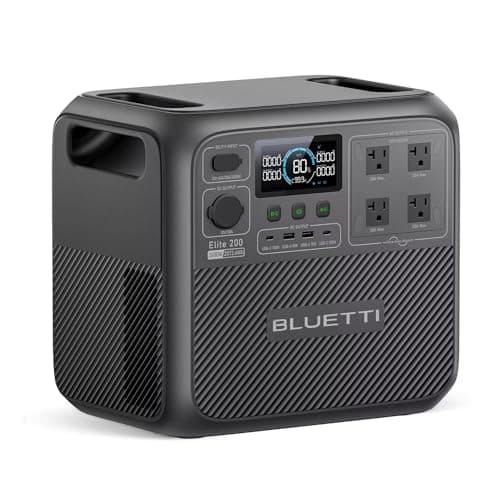
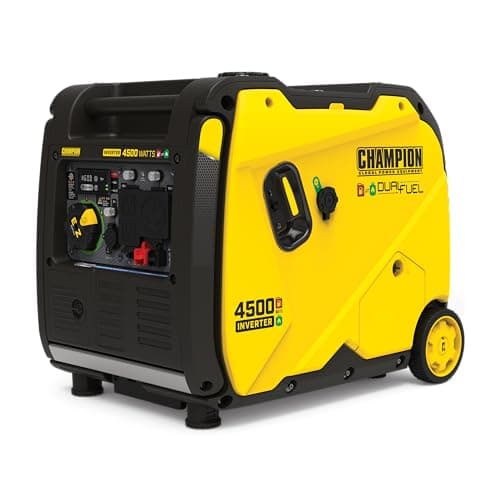
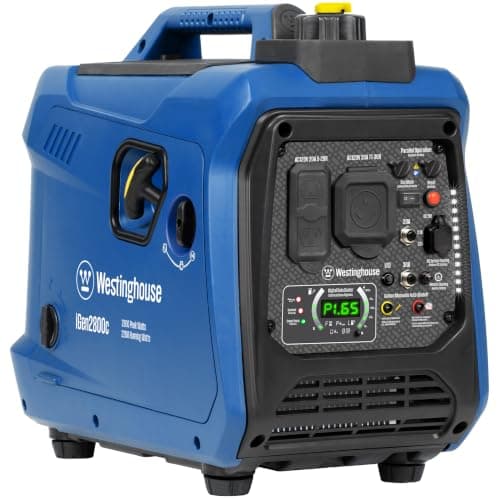
A quiet portable makes noise only during outages, when nobody minds. A battery makes none at all and runs indoors. And the combination — engine in daylight blocks, battery overnight — means the neighbors hear nothing after dark and nothing at all in the fifty-one weeks a year when the power is on.
The comparison weighs what you give up, and the battery case covers the silent half.