The verdict, in one paragraph
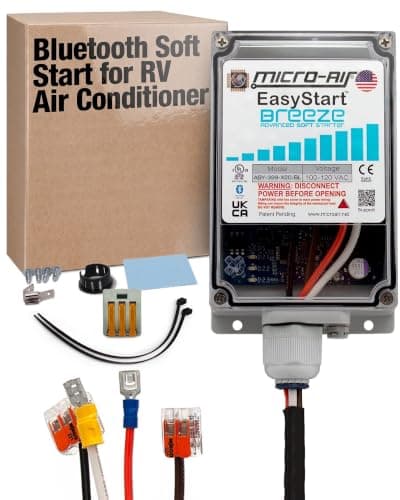
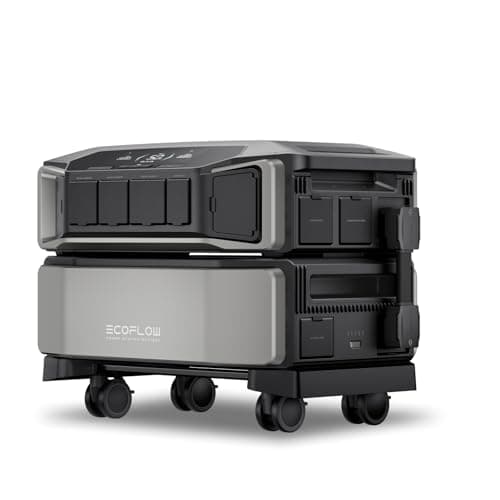
Ranked by published single-unit surge: EcoFlow DELTA Pro Ultra at 10.8kW, Anker SOLIX F3800 at 9,000W, EcoFlow DELTA Pro 3 at 8,000W (16kW with two units connected), BLUETTI Apex 300 at 7,680W, then a cluster at 7,200W — Jackery HomePower 3000, Anker SOLIX F3000, EcoFlow DELTA 3 Ultra Plus. If the load that defeats your current setup is a motor, a soft starter usually solves it for less than the next tier of battery costs.
Published surge, ranked
| System | Surge | Continuous | Ratio |
|---|
| EcoFlow DELTA Pro Ultra | 10,800 W | 7,200 W at 120V/240V | 1.5x |
|---|
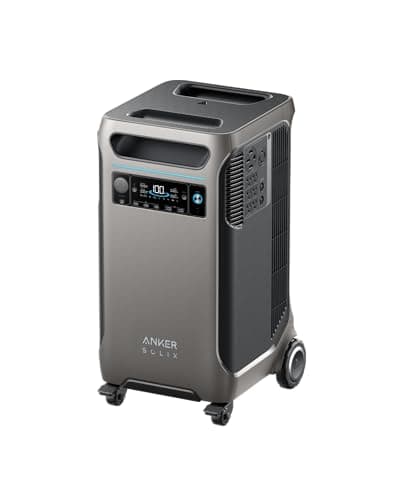
| Anker SOLIX F3800 | 9,000 W | 6,000 W at 120V/240V | 1.5x |
|---|
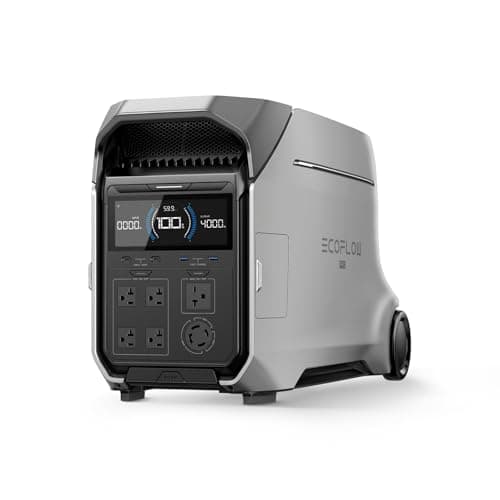
| EcoFlow DELTA Pro 3 | 8,000 W (16 kW, two units) | 4,000 W | 2x |
|---|
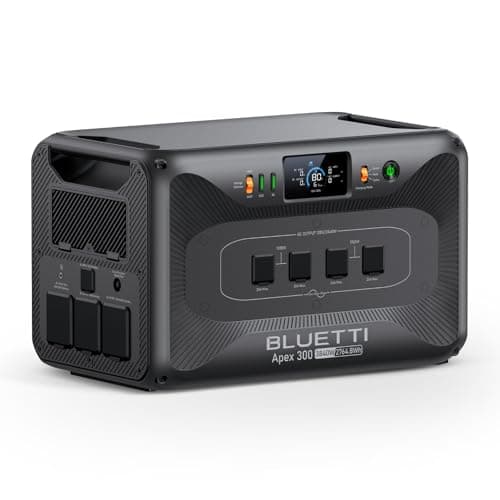
| BLUETTI Apex 300 | 7,680 W lifting | 3,840 W | 2x |
|---|
| Jackery HomePower 3000 | 7,200 W | 3,600 W, 120V only | 2x |
|---|
| Anker SOLIX F3000 | 7,200 W | 3,600 W, 120V only | 2x |
|---|
| EcoFlow DELTA 3 Ultra Plus | 7,200 W | 3,600 W | 2x |
|---|
| EcoFlow DELTA 3 Max Plus | 6,000 W | 3,000 W | 2x |
|---|
| BLUETTI Elite 400 | 5,200 W (3,900 W lifting) | 2,600 W | 2x |
|---|
| BLUETTI Elite 300 | 4,800 W lifting | 2,400 W | 2x |
|---|
Manufacturer figures, from the pages cited under Sources. Ratio is our arithmetic on their two numbers, not a published specification. Current prices are inside the buy buttons, with the date they were refreshed.
The three figures that get called surge, and only one is
Specification tables use at least three different words for "more than the continuous rating," and they describe different mechanisms:
- Surge (or peak). Genuine extra wattage the inverter supplies for a short period — typically a second or less — at full voltage. This is what starts a motor. The ranking above is this figure.
- X-Boost. EcoFlow's published description is intelligent voltage control that marginally reduces voltage so a higher-rated appliance runs on a lower-rated inverter. EcoFlow is explicit that it is for resistive appliances — kettles, hair dryers, ovens. It is not a motor-starting feature, and EcoFlow notes it is unavailable while the unit is charging.
- Power lifting. BLUETTI's equivalent term. The Apex 300's 7,680W figure sits where a surge rating would sit, and the Elite series publishes lifting and surge as separate rows — the Elite 400 lists 3,900W lifting and 5,200W surge against 2,600W continuous.
The practical rule: if your problem is an air conditioner, a well pump, a compressor or a freezer, you want column one. Starting watts versus running watts explains why those loads behave the way they do.
What the large appliances actually need
Surge headroom is only meaningful against a specific motor. The pattern that matters is that an induction motor draws roughly three to five times its running current for the moment it comes up to speed:
- A residential well pump — the most common reason battery backup fails. Sizing is on the inrush, not the horsepower plate. The well pump page has the arithmetic.
- Central air — the biggest single starting load in most houses, and the one that puts the DELTA Pro Ultra in a class of its own. The air conditioning page covers the numbers by tonnage, and running a 5-ton central AC from a home battery works through the published 148 locked-rotor amps that no surge rating here actually meets.
- A sump pump — a smaller motor, but it starts under load at the worst possible moment. Backup power for sump pumps is built around that.
- A refrigerator or freezer compressor — modest surge, but it repeats every cycle for the whole outage.
Surge is measured from what is already running
This is the mistake that produces most disappointed buyers. A published surge rating is an absolute ceiling, not an allowance added on top of your current draw.
An 8,000W surge rating on a 4,000W inverter with 1,500W of lighting, refrigeration and networking already connected leaves 6,500W for the motor, not 8,000W. The fix is load shedding, which costs nothing: switch the heater off before the well pump cycles. It is also the reason a system with circuit-level control is worth more than its surge number suggests — home battery apps compared covers which systems let you do that from a phone.
Who should buy on surge
- Central air, heat pump, deep well: DELTA Pro Ultra. It is the only single unit publishing a five-figure surge number.
- A standard residential well pump and a 240V circuit: Anker SOLIX F3800 at 9,000W, split-phase, no hub.
- One hard-starting appliance, on wheels: DELTA Pro 3. The 2x ratio does more for a motor than its continuous rating suggests.
- An RV air conditioner, or a tight budget: Apex 300 at 7,680W lifting, with simultaneous 120/240V.
- Nothing but resistive loads — kettle, heater, oven: ignore surge entirely and buy continuous watts and kilowatt-hours. X-Boost exists precisely for this case.
The short version
The DELTA Pro Ultra leads on published surge at 10.8kW, the F3800 at 9,000W is the practical answer for a well pump, and the DELTA Pro 3 and Apex 300 both publish a 2x ratio that punches above their continuous rating. Check which word the specification uses before you compare two numbers, subtract whatever is already running before you trust the headroom, and price a soft starter before you price the next tier up.