Skip to content
Watt Warden

Home Standby

Home Standby Generator Installation

The generator is the part people compare. The installation is the part that varies most between quotes - and it is where the money and the delays actually live.

By Sawyer V.Updated Published How we work this out
An electrician working on wiring in a panel.

Watt & Warden earns a commission on qualifying purchases made through links on this page, at no extra cost to you. It never changes a ranking, and our picks include products we tell you to skip. Full disclosure.

What the job actually involves

A standby generator installation is two trades and a set of approvals, which is why quotes vary so much more than the equipment does.

  1. A site survey. Where the unit goes, how far from the panel and the gas supply, and what the clearances allow.
  2. A load calculation. Against your actual panel and appliances, which determines the size and whether load management is needed.
  3. Permits. Typically electrical and mechanical or gas, sometimes a zoning or noise review.
  4. A pad. Concrete or a composite base, level and drained.
  5. Electrical work. The automatic transfer switch, a feeder to the panel, and either whole-panel or sub-panel wiring.
  6. Gas work. A branch from the main with correct pipe sizing, or a propane tank sited, set and connected.
  7. Commissioning. First start, configuration, the break-in check, and setting the exercise schedule.
  8. Inspection. By the authority having jurisdiction, before it is signed off.

Steps 5 and 6 are where quotes diverge most, and they are the two most worth asking about in detail.

What drives the cost

FactorWhy it moves the price
Distance from panel and gas supplyEvery extra foot is conduit, trenching and pipe. The single biggest controllable variable
Gas pipe sizingA standby unit is a large gas appliance; existing pipe often has to be upsized back toward the meter
Whole-panel vs sub-panel switchA whole-panel automatic transfer switch costs more than a selected-circuit sub-panel
Load management modulesAdds cost, but often lets you buy a smaller generator — usually a net saving
Propane tankSiting, setbacks, the tank itself and the first fill
Ground conditionsRock, a high water table or a long trench across a driveway all add real hours
Permits and inspectionVary enormously by jurisdiction

We do not publish installed-price figures for standby systems, because the range across regions and site conditions is wide enough that any single number would mislead more than it helps. Get two or three local quotes; the spread between them is itself informative. Transfer switch installation costs covers the portable equivalent, where the numbers are tighter.

Siting: the decision you make once

  • Close to both the panel and the gas supply. Every foot of separation is money. If the two are on opposite sides of the house, that is worth knowing before you fall in love with a location.
  • At the manufacturer's and code's required clearances from windows, doors, vents and combustible walls. Your installer knows these; ask what they are for your unit.
  • Exhaust pointed away from the house, and away from any HVAC outdoor air intake.
  • Above likely flood level and off a low spot. Flooding and outages arrive together.
  • Where snow will not drift against it, and where you can reach it to clear leaves.
  • Away from bedroom windows — yours and the neighbors'. The weekly exercise cycle runs for years.
  • Accessible for service. A unit boxed in by later landscaping is a unit that gets serviced badly.

Whole-panel or selected circuits

The choice that most affects both cost and behavior, and it is worth understanding before the survey.

A whole-panel automatic transfer switch backs up the entire service. Everything works and nothing has to be chosen in advance. It costs more and it usually requires a larger generator, or load management to stop everything starting at once.

A sub-panel carries a chosen set of circuits. Cheaper, allows a smaller generator, and forces a useful conversation about what actually matters. The cost is that anything not on the list stays dark.

The circuit most often left off by accident is the well pump, because it is not in the kitchen and does not feel like an appliance. On a well, that is the circuit that matters most.

The permit is not optional

Every part of this is permitted work in most jurisdictions — the electrical connection, the gas connection, and often the placement itself. Three reasons that matters beyond compliance:

  • Insurance. Unpermitted work on gas and electrical systems can affect a claim, including claims unrelated to the generator.
  • Selling the house. Unpermitted installations surface during a sale and get expensive at the worst moment.
  • The inspection catches things. It is a second professional looking at gas sizing, bonding and clearances. That is worth having.

An installer who suggests skipping the permit is telling you something about the rest of their work.

Timeline, and why it is longer than you expect

The physical work is usually a couple of days. The calendar is not.

  • Survey and quote: days to a couple of weeks.
  • Permits: the main variable, and entirely outside your installer's control.
  • Equipment lead time: normally short, and then suddenly months after a major regional outage, because everyone orders at once.
  • Utility coordination if a gas meter needs upgrading.
  • Inspection scheduling after the work.

Which is the practical advice this page exists to give: start in the spring, not after the storm. Demand, pricing and lead times all move against you in the weeks after a widespread outage.

Questions to ask before signing

  1. Which fuel is the quoted kW rating for? Units are rated differently on natural gas and propane — Generac publishes 21kW and 24kW for the same Guardian.
  2. Can I see the load calculation? Not the recommendation — the working.
  3. Does the quote include gas pipe upsizing? The most common source of a change order.
  4. Whole panel or sub-panel, and which circuits?
  5. Are permits and inspection included in the price?
  6. Who does the break-in service, and is it included? Generac specifies it at the first 25 hours of runtime, which arrives sooner than owners expect.
  7. What does the warranty require of me? Coverage is generally conditional on documented maintenance.
  8. What is the annual service contract, and what is in it?

After it is commissioned

  • Set the exercise schedule to a weekday daytime slot. It runs for years; the neighborhood will notice a Sunday morning one.
  • Watch for the break-in service. The weekly exercise accumulates hours in the background — fifteen minutes a week is about thirteen hours a year, so 25 hours arrives inside two years even without an outage.
  • Note where the manual disconnect is and how to shut the system down. Find this out on a calm day.
  • Test the alarms and check the exhaust path once the landscaping settles.

The maintenance schedule covers the intervals, and the sizing guide covers the decision this all follows from.

Quick picks

#ProductBest forPrice
1
No photo

The cheaper route to the same circuits

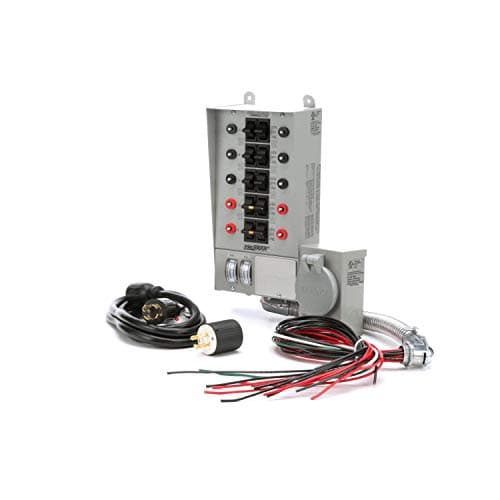
Reliance Controls 31410CRK Pro/Tran

A 10-circuit manual transfer switch rated 30A / 7,500W with mechanical backfeed prevention.

Covering critical loads without an installation
2
No photo

Part of the portable route

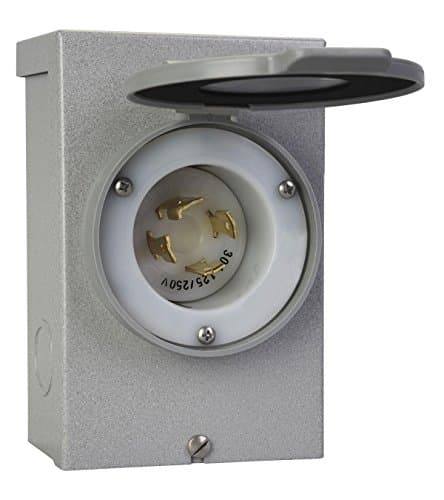
Reliance Controls PB30 power inlet box

A NEMA 3R steel enclosure with an L14-30P inlet and a spring-loaded cap.

A weatherproof exterior connection
3
No photo

For the gap the installation cannot close

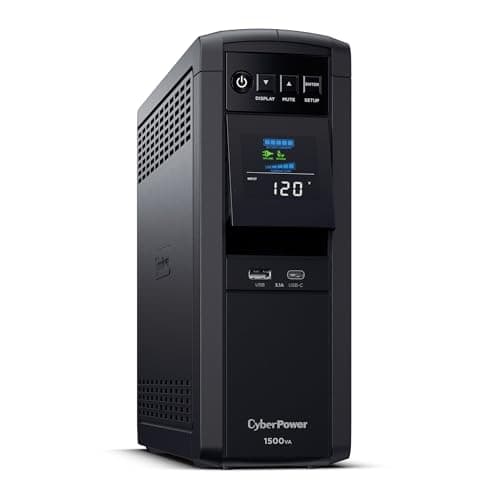
CyberPower CP1500PFCLCD

1,500VA / 1,000W of pure-sine backup with automatic voltage regulation.

Anything that must not blink
4
No photo

Check this after the install

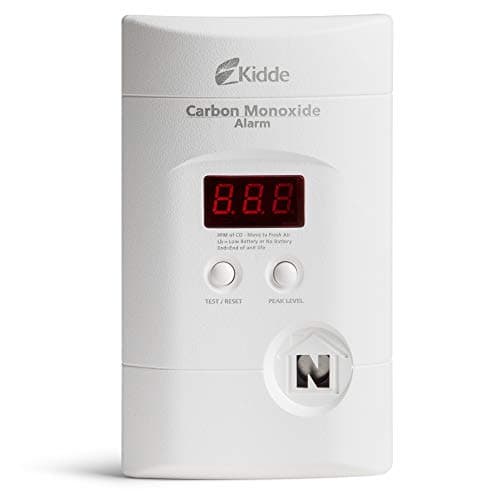
Kidde Nighthawk KN-COPP-3 CO alarm

A plug-in CO alarm with battery backup and a digital ppm display.

Every level of the house

Prices come from the retailer at page-build time and change constantly. Where no live price is available the button reads “Check price” rather than showing a number we cannot stand behind.

The picks in full

01The cheaper route to the same circuits

Reliance Controls 31410CRK Pro/Tran

A 10-circuit manual transfer switch rated 30A / 7,500W with mechanical backfeed prevention.

Worth having in view while you read quotes. A portable plus a manual transfer switch reaches the same furnace, well pump and refrigerator circuits for a small fraction of an installed standby system.

What it does not do is start itself, run on the gas main, or work while you are away. Those are the things a standby installation actually buys, and framing the decision that way makes the premium easier to judge.

Skip it ifyou want the generator to start itself. That is what you are paying an installer for.

Published specifications for the Reliance Controls 31410CRK Pro/Tran
SpecificationPublished figure
Circuits10 — six 15 A and four 20 A single-pole breakers
Rating30 A, up to 7,500 W
MeteringTwo watt meters for balancing the load
SwitchingBreak-before-make double-throw, Line / Off / Gen
BackfeedMechanically prevented — the grid cannot be energized
InstallationLicensed electrician; a permit is usually required

Source: Reliance Controls — Pro/Tran 31410CRK product page. These are the manufacturer's published figures, not ours — we have not tested this unit.

02Part of the portable route

Reliance Controls PB30 power inlet box

A NEMA 3R steel enclosure with an L14-30P inlet and a spring-loaded cap.

The exterior half of a manual installation, fitted at the same time as the switch. NEMA 3R means genuinely rain-rated rather than merely outdoor-looking.

How inlet boxes work covers ratings and placement.

Skip it ifyou are installing a standby unit. It is hardwired and needs no inlet.

Published specifications for the Reliance Controls PB30 power inlet box
SpecificationPublished figure
Rating30 A, for generators up to 7,500 running watts
InletNEMA L14-30P
EnclosureNEMA 3R, outdoor watertight
ConstructionSteel with anti-corrosive powder coat
CapSpring-loaded, keeps moisture out when not in use
WiringFour combination 1/2 in and 3/4 in knockouts

Source: Reliance Controls — PB30 power inlet box product page. These are the manufacturer's published figures, not ours — we have not tested this unit.

03For the gap the installation cannot close

CyberPower CP1500PFCLCD

1,500VA / 1,000W of pure-sine backup with automatic voltage regulation.

A standby system is not instantaneous. Detection, start, warm-up and transfer take seconds, and the house is dark for them. Desktops reboot, a NAS drops mid-write, and network equipment restarts and takes minutes to come back.

No amount of installation quality changes that. A UPS is the only thing that does, and it is a small purchase next to the job you are already commissioning.

Skip it ifnothing in the house minds a brief interruption.

Published specifications for the CyberPower CP1500PFCLCD
SpecificationPublished figure
Capacity1,500 VA / 1,000 W
WaveformPure sine wave (PFC compatible)
Outlets12 NEMA 5-15R — 6 battery-backed, 6 surge-only
RegulationAutomatic voltage regulation (AVR)
Run timeabout 10 min at half load, 2.5 min at full load
Warranty3 years including the battery

Source: CyberPower — CP1500PFCLCD product specifications. These are the manufacturer's published figures, not ours — we have not tested this unit.

04Check this after the install

Kidde Nighthawk KN-COPP-3 CO alarm

A plug-in CO alarm with battery backup and a digital ppm display.

Installation places the unit at a code-specified distance, which is the main protection. Worth confirming yourself where the exhaust actually points relative to windows, vents and the outdoor air intake of any HVAC equipment.

Re-check after any landscaping or decking work. Enclosures and fences added later are a real cause of exhaust being trapped where it was not before.

Skip it ifyours are current and tested.

Published specifications for the Kidde Nighthawk KN-COPP-3 CO alarm
SpecificationPublished figure
SensorElectrochemical
Power120 V AC plug-in with 9 V battery backup
DisplayDigital, 30–999 ppm, refreshed every 15 s
Alarm85 dB
MemoryPeak-level memory of the last detection or test
Warranty10-year limited; UL certified

Source: Kidde — Nighthawk KN-COPP-3 product page. These are the manufacturer's published figures, not ours — we have not tested this unit.

How these were chosen

We did not test these. Nobody at Watt & Warden has plugged one in. What we did instead: read the manufacturer's published specifications, compile them into a table where the figures line up, and compute the numbers manufacturers leave out — runtime against a real appliance load, and what an hour of running actually costs.

Anything that could not be sourced was left out rather than estimated, and every pick names the buyer who should skip it. The full method is here, including where it is weaker than a publisher with a test bench.

Questions people actually ask

What does a standby generator installation involve?

A site survey and load calculation, permits, a level pad, electrical work for the automatic transfer switch and feeder, gas work for either a branch from the main or a propane tank, commissioning, and an inspection. The electrical and gas portions are where quotes diverge most.

Do I need a permit to install a standby generator?

In most jurisdictions yes, usually electrical and gas and sometimes placement. Beyond compliance it matters for insurance claims and for selling the house later, and the inspection is a second professional checking gas sizing, bonding and clearances. An installer who suggests skipping it is telling you something.

How long does a standby generator installation take?

The physical work is usually a couple of days; the calendar is longer. Permits are the main variable and outside your installer's control, equipment lead times stretch to months after a major regional outage, and utility coordination for a gas meter upgrade adds time. Start in spring, not after a storm.

What drives the cost of a standby generator installation?

Distance from the panel and the gas supply above everything -- every foot is conduit, trench and pipe. Then gas pipe sizing back toward the meter, whether the transfer switch covers the whole panel or a sub-panel, propane tank siting if applicable, and ground conditions like rock or a driveway crossing.

Should I back up the whole panel or selected circuits?

Selected circuits is cheaper and allows a smaller generator, and it forces a useful conversation about what actually matters. Whole-panel means nothing has to be chosen in advance but usually needs a larger unit or load management. Whichever you choose, make sure the well pump circuit is on the list -- it is the one most often forgotten.

Sources

Every figure on this page comes from a published source. We have not tested this equipment, so the specifications are the manufacturer's and the statistics are the dataset's — the arithmetic on top of them is ours, and it is shown in full so you can check it. How we work this out.