What NOAA Weather Radio actually is
It is a network of transmitters run by the National Weather Service, broadcasting continuously on seven VHF channels between 162.400 and 162.550 MHz. It carries forecasts, current conditions and — the part that matters — warnings, issued as they are issued.
The important property is independence. It does not use the cell network, the internet, cable, or your electricity. A radio with batteries receives it during exactly the conditions in which everything else has stopped.
The National Weather Service also relays non-weather emergencies through the same network — chemical releases, evacuation notices, AMBER alerts — which is why the modern name is "all hazards" rather than weather.
The two products, and why they are different
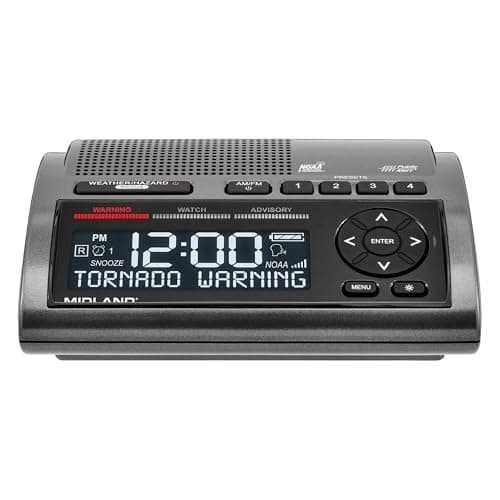
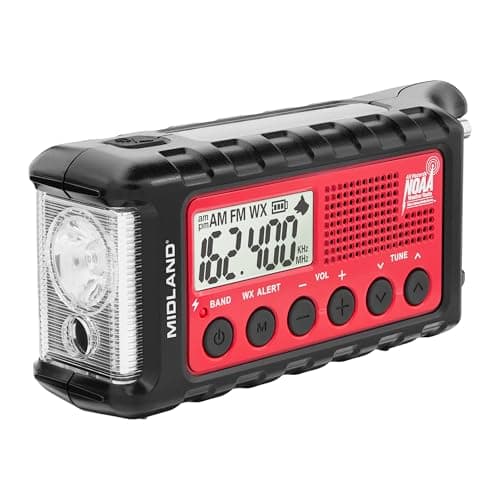
| Job | Crank / portable radio | SAME desk alert radio |
|---|
| Wakes you unattended | No — you have to be listening | Yes — that is its whole function |
|---|
| Works with no power at all | Yes — crank and solar | Hours on AA backup |
|---|
| Filters to your county | No | Yes, via SAME codes |
|---|
| Portable | Yes | No |
|---|
| Where it lives | Go-bag or kitchen drawer | Bedside, plugged in |
|---|
The two are complements rather than alternatives. The desk unit is what warns you at 3am; the crank unit is what still works on day four.
Program the SAME codes, or it will get unplugged
This is the step people skip and it is the one that decides whether the radio survives its first month.
Every U.S. county has a six-digit SAME code. Enter yours and the radio stays silent for everyone else's warnings. Enter none, and it alerts for the whole transmitter footprint — which in flat terrain can be a dozen counties and several alerts a week.
- Look up your county's code on the National Weather Service SAME code list before you start.
- Add the counties upwind of you. Storms arrive from somewhere, and thirty minutes of warning is worth having.
- Add anywhere family lives if you would want to know. The WR400 holds up to 25.
- Choose which of the 80 alert types are worth a siren. A tornado warning at 3am, yes. A routine test, no.
- Check the weekly test actually fires. The NWS runs one most weeks; if you never hear it, your reception or your programming is wrong.
Reception, which is not guaranteed
NOAA transmitters are VHF and line-of-sight-ish. Hills, valleys, metal roofing and basements all degrade reception, and some rural areas simply sit in a gap.
Three things to try before concluding a radio is faulty:
- Extend the antenna fully and try each of the seven channels — the strongest one is not always the nearest transmitter.
- Move it toward a window, and upward if you can. A basement is the worst place in the house.
- Check the NWS coverage map for your address. If you are genuinely in a gap, an external antenna is the fix.
Test this on a clear day. Discovering a reception problem during a tornado watch is not the moment to start troubleshooting.
Batteries are the thing that fails
A radio in a drawer for three years has dead batteries, and alkaline cells leak and destroy contacts. Two habits, folded into the same twice-a-year routine as exercising the generator:
- Rotate the AA cells every spring and fall. Put the old ones in a TV remote.
- Top up the internal lithium cell. The ER310 holds charge for a long time, but not forever.
- Store alkalines outside the radio if it will sit for years. A taped bundle next to it does not leak into the contacts.
What about phone alerts?
Wireless Emergency Alerts are genuinely good and most people's fastest warning. They are not a replacement, for three reasons:
- Cell sites run on limited backup. They hold for hours, then go quiet — and a widespread outage is precisely when they go quiet.
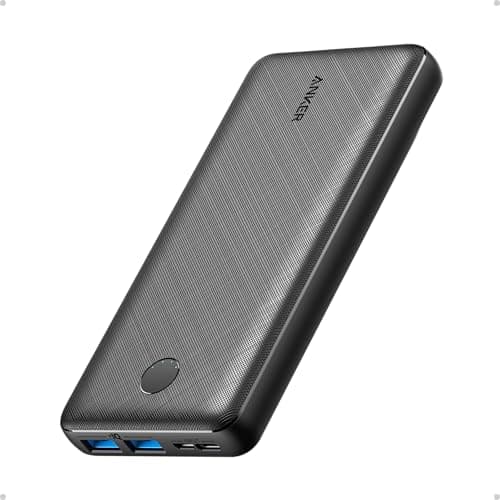
- Your phone battery is finite. A radio on AA cells is not competing for the same charge.
- WEA is deliberately sparing. NOAA broadcast carries continuous detail; WEA carries a short push for the most severe events.
Keep the phone alerts on, add a radio, and keep the router and modem alive if the internet is what you actually rely on.
Where this sits in the kit
A radio is cheap, needs no fuel, and is the only device on this site that keeps working with no power source at all. It belongs in the same tier as a carbon monoxide alarm — small, unglamorous, and the thing you are most glad to have.
The full accessory list puts it in order against everything else, and the winter kit explains why a radio matters more in an ice storm than in a summer outage.