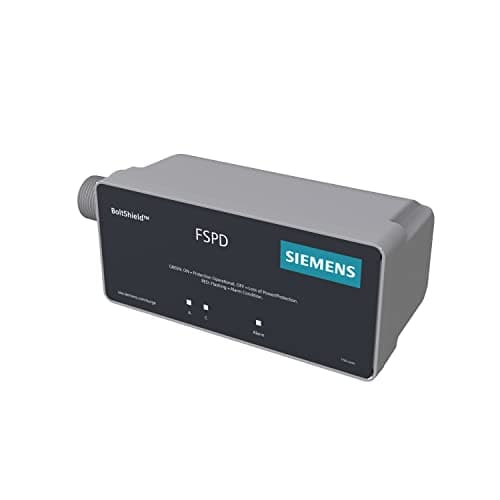
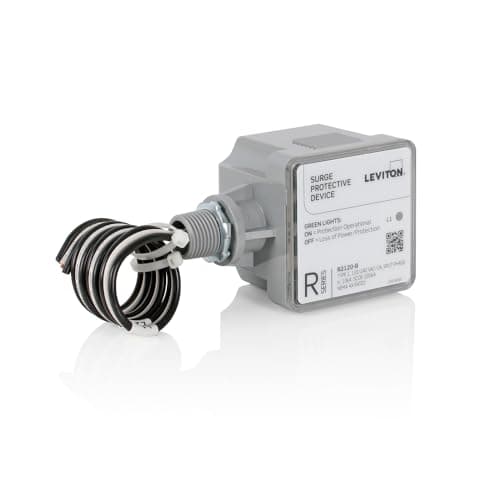
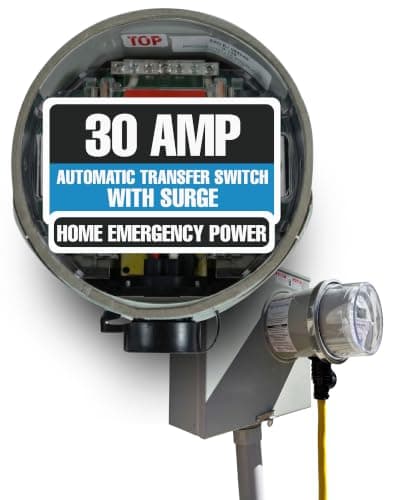
How these were chosen
We install nothing and we test nothing — our methodology page states that plainly. Every rating below is from the device's own listing, the UL 1449 type definitions come from manufacturer documentation cited at the foot of the page, and availability was verified before anything was featured.
Three criteria decided the picks:
- UL 1449 type, because it determines where in the service the device is allowed to sit.
- Surge current rating, which is about how long the device survives rather than how well it protects on the day.
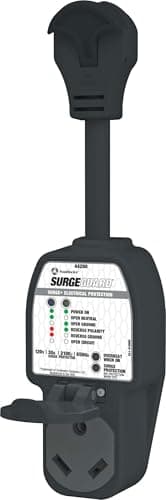
- Whether it is honestly a whole-house device at all. Listings in this category are full of plug-in strips wearing the words "whole house".
One device that was on our shortlist — Eaton's CHSPT2ULTRA — is listed as currently unavailable, so it is not featured. We do not link dead listings.
Type 1 and Type 2, which is the only jargon that matters
UL 1449 sorts permanently connected surge protective devices by where they may be installed, and manufacturers describe the split consistently:
| Type 1 | Type 2 |
|---|
| Where it installs | Line side of the service disconnect — between the utility transformer and the main overcurrent device. May also be used on the load side, including meter socket enclosures | Load side of the service disconnect, including at the branch panel |
|---|
| Mainly protects against | External surges — lightning, utility switching | Internally generated surges — switching of inductive loads |
|---|
| Overcurrent protection | Approved for line-side use without supplemental overcurrent protection | May require a dedicated breaker or fuse |
|---|
| Dual rated? | Type 1 devices are dual-rated for Type 2 applications | Type 2 only |
|---|
Type definitions from Schneider Electric's and Eaton's published surge protection documentation, linked below. Which type suits your service is a decision for the electrician doing the work — in many houses either will do, and the choice comes down to panel space.
What the kA number actually means
Surge current ratings — 36kA, 60kA, 140,000A — are the most misunderstood figure in this category. A bigger number does not mean less voltage reaches your television.
What reaches your equipment is the let-through or voltage protection rating, a different specification entirely. The kA figure describes how much surge energy the device can absorb over its lifetime before its internal components are used up.
So read it as service life in a given environment:
| Your situation | Sensible rating |
|---|
| Underground service, low lightning area | A mainstream device is ample |
|---|
| Suburban overhead lines | Mid-range — the common recommendation |
|---|
| Rural overhead service, frequent storms | The highest rating you are willing to pay for |
|---|
| Near a utility substation or industrial switching | High rating, and expect to replace it eventually |
|---|
Guidance is ours, derived from how surge protective devices wear: every absorbed surge consumes a little of the device. Most carry an indicator light that tells you when protection has ended — check it after a significant storm.
What a whole-house device does not do
Four things, and all four get claimed in listings somewhere:
- It does not stop an outage. Surge protection and backup power are unrelated problems — the outage checklist covers the other one.
- It does not fully protect sensitive electronics on its own. Layered protection — a panel device plus point-of-use protection behind the equipment that matters — is the standard approach.
- It does not survive a direct lightning strike to the house. Nothing in this price class does.
- It does not last forever. It is a consumable that looks like hardware.
Where the generator fits in
Two separate surge risks live in the same storm, and they need different products.
Utility-side surges — lightning, switching, the reconnection spike when power comes back — are what the panel devices on this page address. The reconnection moment is worth naming: a surge frequently arrives when the utility restores power, which is why appliances often fail on restoration rather than during the outage.
Generator-side problems are a different matter. A conventional generator's voltage moves when large loads start and stop, and that is what the generator surge protector roundup covers. A panel SPD sits on the house side of a transfer switch and does not police what the generator produces.
Installation, honestly
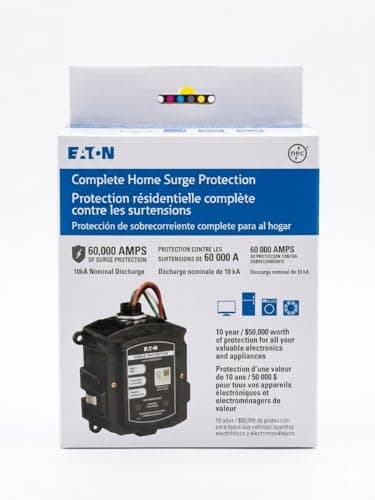
- This is electrician work. Every device here is hardwired into the service or the panel. None is a plug-in.
- Type 2 needs a spare breaker slot in most installations. Check your panel before ordering — a full panel changes the job.
- Type 1 line-side work may involve the utility, since it sits ahead of the main disconnect and can require a meter pull.
- Permits apply in most jurisdictions, as with any service-entrance work.
- Check the indicator after storms. A spent device looks identical to a working one apart from that light.
The short version
- Type 2 for most retrofits, Type 1 if it needs to sit ahead of the main disconnect.
- kA buys service life, not lower let-through voltage.
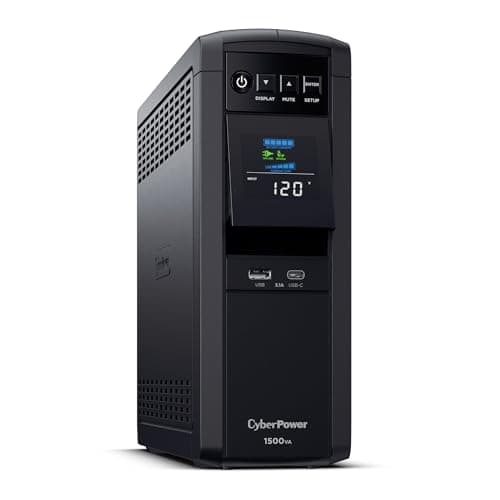
- Layer it. A panel device plus a UPS behind the equipment that matters.
- It is a consumable. Check the indicator light after every serious storm.
- It is not backup power, and it does not care whether your generator is running.