Skip to content
Watt Warden

Accessories

What to Buy With a Generator

The machine has to sit twenty feet away, run in rain, be refueled without spilling, and start again next winter. Five items make all of that possible, and they cost a fraction of the generator.

By Sawyer V.Updated Published How we work this out
Tools and hardware laid out on a workbench.

Watt & Warden earns a commission on qualifying purchases made through links on this page, at no extra cost to you. It never changes a ranking, and our picks include products we tell you to skip. Full disclosure.

Why a generator alone is not enough

People budget carefully for watts and then discover the machine is unusable. Four constraints do it:

  • It has to be twenty feet from the house. Which means a cord that reaches, rated for the load.
  • It has to run in rain. Rain is what caused the outage, and manufacturers tell you not to run one wet.
  • It has to be refueled safely. Gasoline on a hot muffler ignites.
  • It has to start next year. Which means treated fuel and an oil change.

Together those five items cost far less than the difference between two generator sizes, and without them you own equipment you cannot use.

The order matters

PriorityItemWhat happens without it
1CO alarm on every levelThe failure mode is fatal, not inconvenient
2Cord rated for the loadThe machine cannot be twenty feet away
3Running coverYou cannot run it in the weather that caused the outage
4Fuel cans and stabilizerYou run out on day two, or it will not start next year
5Oil for the first changeThe machine shuts down mid-outage with nothing on the shelf

This ordering is our judgment about consequence, not a manufacturer recommendation. Items 2 through 5 are all recoverable given a shop that is open; item 1 is not.

How much fuel is actually enough

Work it from consumption rather than from tank size. Westinghouse publishes 4.7 gallons over up to 14.5 hours for the WGen5300DF, which is about 0.32 gallons an hour averaged across the tank.

Six hours of running a day — enough to keep a fridge and freezer safe — is roughly two gallons. Three days is about six gallons, so two or three five-gallon cans is a realistic store.

Running continuously instead of in blocks costs four times as much and would need more gasoline than most residential garages may legally hold. The consumption arithmetic works it through, and the storage guidance covers the legal and practical limits.

What we deliberately left off

  • Wheel kits for machines that already have wheels.
  • Branded funnels and magnetic trays. A funnel is a funnel.
  • Hour meters on machines that ship with one.
  • Storage covers sold as running covers. A zip-up bag for a parked generator is not the same product and using one while the engine runs is dangerous.

The test is whether the absence of an item stops the machine being used safely or stops it starting next year. If not, it is not on the list.

If you have a transfer switch

Add two things: an inlet box on the exterior wall so nothing runs through a window, and the L14-30 cord above to connect the two. Both get fitted by an electrician as part of the switch installation, out of season.

Without them, a transfer switch cannot reach hardwired loads — the furnace, the well pump, the sump pump — which are usually the reason you wanted one.

Buy it in the spring

Cords, cans, covers and alarms sell out within hours of a storm warning and cost the same money in April. Buying out of season removes the one scenario where you own a generator and still cannot use it.

Quick picks

#ProductBest forPrice
1
No photo

Buy this first

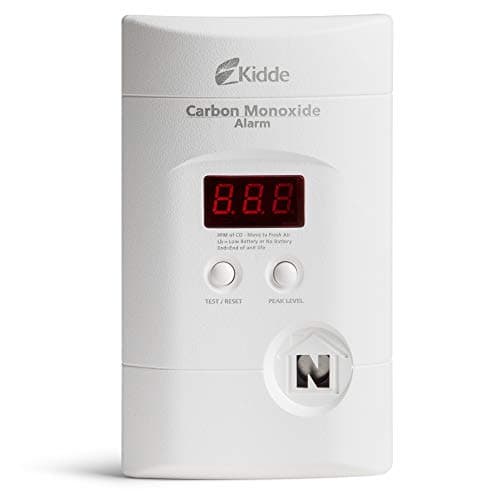
Kidde Nighthawk KN-COPP-3 CO alarm

A plug-in CO alarm with 9V battery backup and a digital ppm readout, refreshed every 15 seconds.

Every level of the house
2
No photo

The cord that makes the distance possible

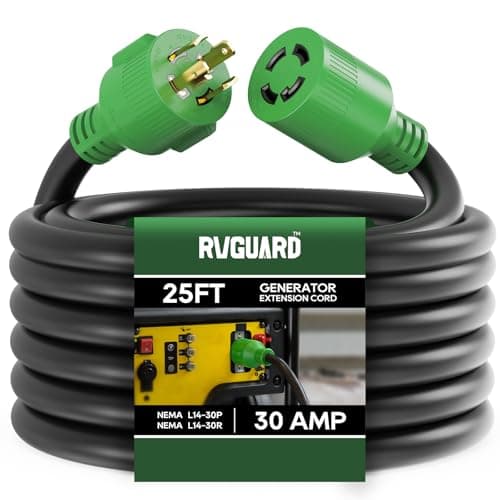
GearIT 30A L14-30 generator cord, 25 ft

10/4 SJTW twist-lock rated for the full 30A at 125/250V across 25 feet.

Feeding a transfer switch or inlet box
3
No photo

So it runs in the weather that caused the outage

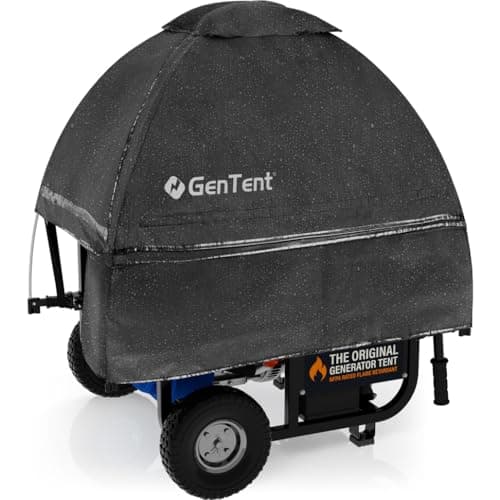
GenTent Safety Canopy, open-frame

An NFPA 701 canopy rated to 110 mph wind, 12 in of rain per hour and 18 in of snow load.

Open-frame generators, 3,000–10,000W
4
No photo

For refueling without a fire

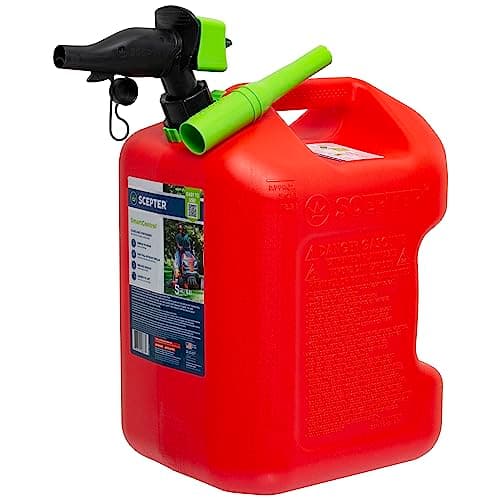
No-Spill 1450 5-gallon gas can

5 gallons with a thumb-button spout that stops the moment you let go, at about 3 gal/min.

Anyone running more than one tank
5
No photo

So it starts next year

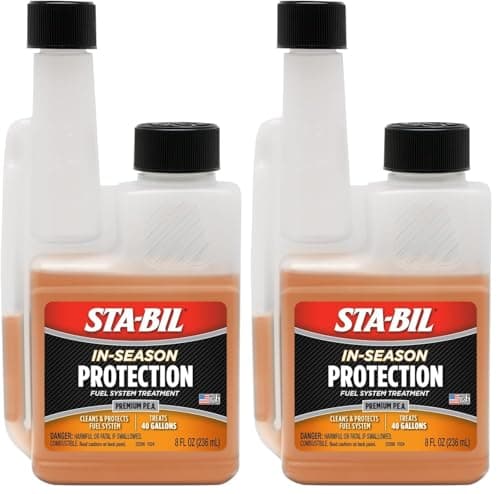
STA-BIL 360 Protection fuel stabilizer

One ounce per five gallons; the label claims fuel stays usable for up to 12 months.

Any fuel that will sit

Prices come from the retailer at page-build time and change constantly. Where no live price is available the button reads “Check price” rather than showing a number we cannot stand behind.

The picks in full

01Buy this first

Kidde Nighthawk KN-COPP-3 CO alarm

A plug-in CO alarm with 9V battery backup and a digital ppm readout, refreshed every 15 seconds.

This is the only genuinely non-optional item on the site. Carbon monoxide has no color and no smell, and the CPSC publishes fatality statistics for portable generators every year because people consistently misjudge how far the exhaust travels.

The digital readout is what separates a useful alarm from a checkbox. It shows a rising concentration long before the 85 dB horn triggers, which is the difference between opening a window and calling an ambulance.

Battery backup matters here more than anywhere else: a plug-in alarm with no backup is dead exactly when the power is out and the generator is running.

Skip it ifyou have current alarms on every level and have tested them this year. Check the date on the back.

Published specifications for the Kidde Nighthawk KN-COPP-3 CO alarm
SpecificationPublished figure
SensorElectrochemical
Power120 V AC plug-in with 9 V battery backup
DisplayDigital, 30–999 ppm, refreshed every 15 s
Alarm85 dB
MemoryPeak-level memory of the last detection or test
Warranty10-year limited; UL certified

Source: Kidde — Nighthawk KN-COPP-3 product page. These are the manufacturer's published figures, not ours — we have not tested this unit.

02The cord that makes the distance possible

GearIT 30A L14-30 generator cord, 25 ft

10/4 SJTW twist-lock rated for the full 30A at 125/250V across 25 feet.

The twenty-foot separation rule is not advisory, and the only way to honor it is a cord long enough and thick enough to carry the load across that distance.

10-gauge copper is what a 30A circuit needs. Undersized cord does not fail gracefully — it heats up inside the insulation, and the failure mode is a fire rather than a tripped breaker.

Twist-lock connectors cannot be pulled apart by a foot catching the cable, which straight-blade plugs can.

Skip it ifeverything you need to run has an ordinary plug and no transfer switch is involved.

Published specifications for the GearIT 30A L14-30 generator cord, 25 ft
SpecificationPublished figure
ConnectorsNEMA L14-30P to L14-30R, 4-prong twist lock
Conductor10/4 SJTW copper
Rating30 A, 125/250 V, up to 7,500 W
Length25 ft
JacketOutdoor-rated SJTW, UV and oil resistant

Source: GearIT — 30A L14-30 generator cord listing. These are the manufacturer's published figures, not ours — we have not tested this unit.

03So it runs in the weather that caused the outage

GenTent Safety Canopy, open-frame

An NFPA 701 canopy rated to 110 mph wind, 12 in of rain per hour and 18 in of snow load.

Rain is what causes most outages, and manufacturers tell you not to run a generator in it. A purpose-made running cover resolves that by keeping water off while leaving the cooling airflow and the exhaust path completely clear.

What it is not is a tarp. A tarp, a storage bag, a shed or a garage all trap exhaust and block cooling — the exact conditions that kill people every year.

Tool-free clamp mounting means it goes on in the dark, in the rain, which is when you will actually be fitting it.

Skip it ifyou own an enclosed inverter. That needs the inverter version, which mounts completely differently.

Published specifications for the GenTent Safety Canopy, open-frame
SpecificationPublished figure
FitsOpen-frame generators, 3,000–10,000 W
FabricNFPA 701 flame-certified
Wind ratingup to 110 mph
Rain ratingup to 12 in per hour
Snow loadup to 18 in
InstallationTool-free clamp mount

Source: GenTent — Safety Canopy product page. These are the manufacturer's published figures, not ours — we have not tested this unit.

04For refueling without a fire

No-Spill 1450 5-gallon gas can

5 gallons with a thumb-button spout that stops the moment you let go, at about 3 gal/min.

Refueling means pouring gasoline into a small opening on a machine that has just been running hot, usually in the dark. The thumb-button spout stops flow the instant you release it, which is the entire safety argument.

Buy more than one. Three five-gallon cans covers three days of six-hour block running, and cans are the first thing to disappear from shelves before a storm.

Skip it ifyour machine runs on propane and you never use gasoline.

Published specifications for the No-Spill 1450 5-gallon gas can
SpecificationPublished figure
Capacity5 gallons
SpoutThumb-button control, stops on release
Flow rateabout 3 gallons per minute
ComplianceCARB and EPA compliant
StandardASTM F-85299 child-resistant
MaterialHigh-density polyethylene

Source: No-Spill — 1450 5-gallon can product page. These are the manufacturer's published figures, not ours — we have not tested this unit.

05So it starts next year

STA-BIL 360 Protection fuel stabilizer

One ounce per five gallons; the label claims fuel stays usable for up to 12 months.

Stale gasoline is the single most common reason a stored generator will not start. Ethanol-blended fuel absorbs water and forms gum in the carburetor whether the engine runs or not.

One ounce per five gallons, added before you fill, then run the engine five minutes so treated fuel reaches the carburetor. Stabilizer cannot reverse gum that has already formed — treat fuel when you buy it, not when you store it.

Skip it ifyou run the tank and cans dry between seasons instead. Both work; neither is optional.

Published specifications for the STA-BIL 360 Protection fuel stabilizer
SpecificationPublished figure
Treats40 gallons (8 fl oz bottle)
Storage lifeKeeps ethanol-blended fuel fresh up to 12 months
Dose1 oz treats up to 5 gallons of fuel
Also doesFuel-system cleaning, corrosion and water-absorption protection
UseAdd before filling, then run the engine 5 minutes

Source: STA-BIL — 360 Protection product page. These are the manufacturer's published figures, not ours — we have not tested this unit.

How these were chosen

We did not test these. Nobody at Watt & Warden has plugged one in. What we did instead: read the manufacturer's published specifications, compile them into a table where the figures line up, and compute the numbers manufacturers leave out — runtime against a real appliance load, and what an hour of running actually costs.

Anything that could not be sourced was left out rather than estimated, and every pick names the buyer who should skip it. The full method is here, including where it is weaker than a publisher with a test bench.

Questions people actually ask

What do I need to buy with a generator?

Five things: a carbon monoxide alarm for every level of the house, a cord rated for the load and long enough for twenty feet of separation, a purpose-made running cover, fuel cans plus a stabilizer, and oil for the first change. Everything else in the category is optional.

How many gas cans do I need for a generator?

Three five-gallon cans covers three days of six-hour block running, which keeps a fridge and freezer safe. Continuous running for the same period would need about 54 gallons -- more than most residential garages may legally store, which is why block running is the realistic plan.

Can I use a tarp instead of a generator cover?

No. A tarp traps exhaust and blocks the cooling airflow an air-cooled engine needs, which is the same reason a shed or a garage is dangerous. A purpose-made running cover keeps water off while leaving the airflow and exhaust paths clear.

Do I need a carbon monoxide alarm if the generator is outside?

Yes. Exhaust travels much further than people expect and wind shifts, and a generator run overnight is unattended while everyone sleeps. The CPSC publishes portable-generator CO fatality statistics annually for exactly this reason. One alarm per level, with battery backup.

How much do generator accessories cost?

Together, far less than the difference between two generator sizes. That is the argument for buying all five: the marginal cost is small against the machine, and without them you own equipment that either cannot be used safely or will not start when you next need it.

Sources

Every figure on this page comes from a published source. We have not tested this equipment, so the specifications are the manufacturer's and the statistics are the dataset's — the arithmetic on top of them is ours, and it is shown in full so you can check it. How we work this out.