Skip to content
Watt Warden

Accessories

The Best Heated Gear for a Power Outage

Heating a room from a battery is arithmetic that never works. Heating the person inside it works on ten watts, which is the difference between a plan and a wish.

By Sawyer V.Updated Published How we work this out
ORORO men's heated fleece vest, 4-zone

Watt & Warden earns a commission on qualifying purchases made through links on this page, at no extra cost to you. It never changes a ranking, and our picks include products we tell you to skip. Full disclosure.

Quick picks

#ProductBest forPrice
1
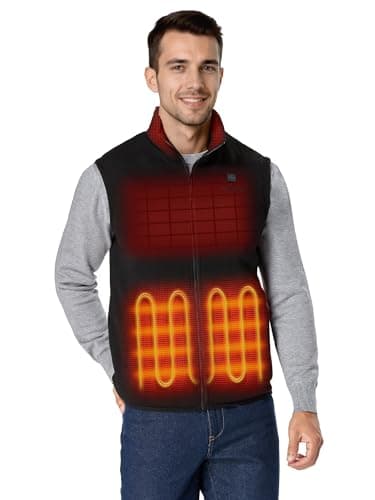
ORORO men's heated fleece vest, 4-zone

Best overall

ORORO men's heated fleece vest, 4-zone

A lightweight heated fleece layer with four heating zones, worn under a coat or over a sweater indoors.

Keeping an adult comfortable in a house with no heat
$119.99 · Check price on Amazon

#ad how this is funded · price as of October 20, 2026

2
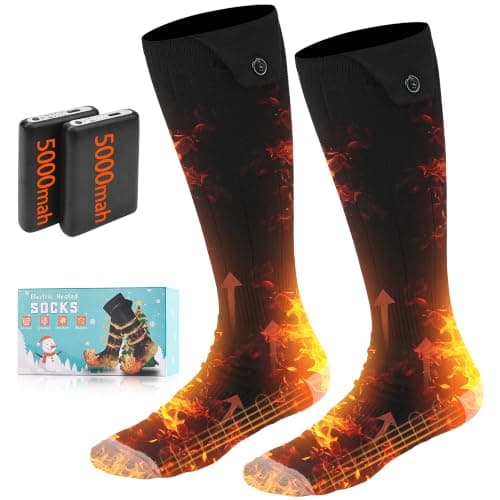
Rechargeable heated socks, 5V 5,000mAh

Best for the part that actually drives people out

Rechargeable heated socks, 5V 5,000mAh

Four heat levels from a published 5V 5,000mAh battery per sock, with a published runtime of up to 8 hours.

Sitting still in a cold house
$42.99 · Check price on Amazon

#ad how this is funded · price as of October 20, 2026

3
OKZU 5V 2A power bank for heated apparel, 10,000mAh

The spare that makes it last

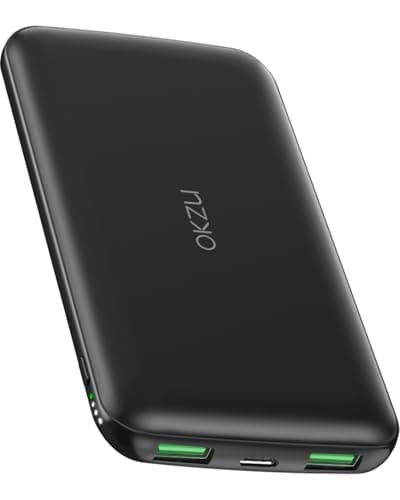
OKZU 5V 2A power bank for heated apparel, 10,000mAh

10,000mAh with the 5V 2A output USB heated clothing expects - the published 10 watts that this whole category runs on.

A second or third shift of heat from the same garment
$24.99 · Check price on Amazon

#ad how this is funded · price as of October 20, 2026

4
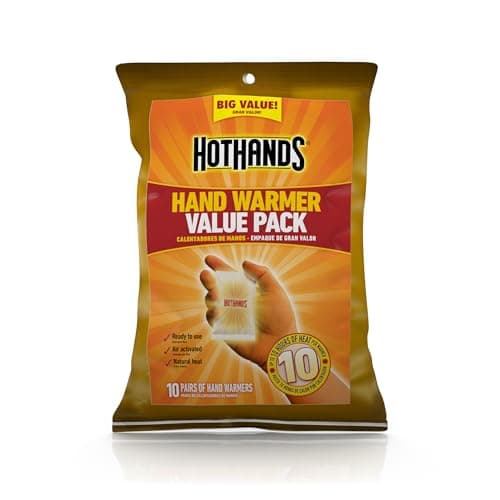
HotHands hand warmers, 10 pairs

Best when the batteries are flat

HotHands hand warmers, 10 pairs

Air-activated disposable warmers that need no electricity at all, in a 10-pair pack.

Children, guests, gloves, pockets and sleeping bags
$7.48 · Check price on Amazon

#ad how this is funded · price as of October 20, 2026 · $10.99 32% off

5
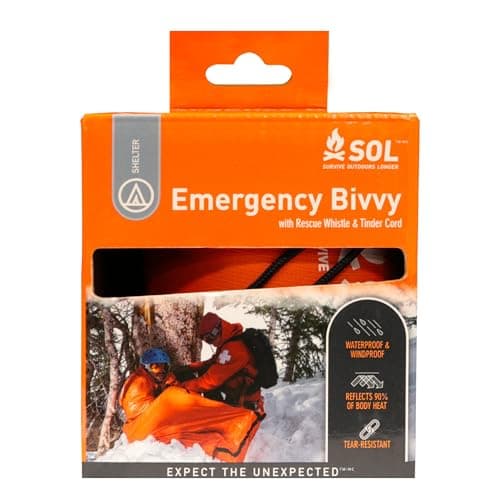
SOL Emergency Bivvy with whistle

Best passive warmth per ounce

SOL Emergency Bivvy with whistle

3.8 oz of heat-reflective sack the maker states traps 90% of body warmth, with a whistle built into the drawstring.

A cold bedroom, a car, or an evacuation bag
$25.49 · Check price on Amazon

#ad how this is funded · price as of October 20, 2026

6
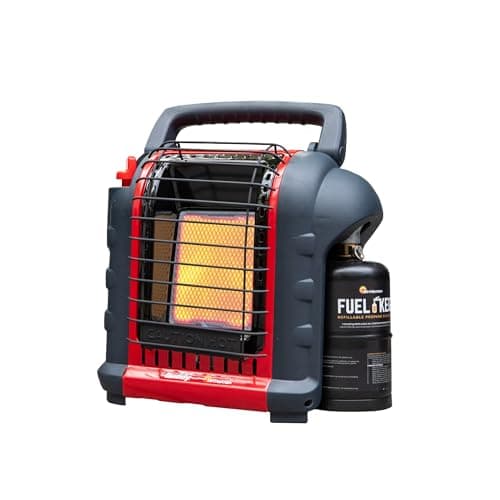
Mr. Heater MH9BX Portable Buddy

When you genuinely need to heat a room

Mr. Heater MH9BX Portable Buddy

4,000 or 9,000 BTU of propane radiant heat with an oxygen depletion sensor - heat no battery on this site can produce.

A single room that has to be kept above freezing
$89.97 · Check price on Amazon

#ad how this is funded · price as of October 20, 2026

Prices come from the retailer at page-build time and change constantly. Where no live price is available the button reads “Check price” rather than showing a number we cannot stand behind.

The verdict, in one paragraph

Heat the person, not the room. A USB heated garment runs on a published 5V 2A supply — 10 watts. A portable electric space heater is published at up to 1,500 watts. From the same 2,073.6Wh battery, the heater lasts barely over an hour and the garment lasts for days, which is why heated clothing is a real outage plan and a battery-powered room heater is not one. Buy a heated vest for the core, heated socks for the part that actually drives people out of a cold house, a 5V 2A spare pack so the gear outlasts the first evening, and air-activated warmers as the backstop for when every battery is flat. If an actual room has to be kept above freezing, that is a propane job, not an electrical one.

The arithmetic, in one table

What you are heatingPublished loadHours from 2,073.6 WhRealistic?
A person, USB heated garment10 W (5 V at 2 A)About 200 hYes, trivially
A person, heated socks on their own packsNot published in wattsUp to 8 h per charge, per the listingYes
A room, electric space heater on low750 WAbout 2.8 hBarely
A room, electric space heater on high1,500 WAbout 1.4 hNo

Loads are published figures: 5V 2A from the power bank listing, and 750-1,500 W with a 6.5-12.5 A current draw from Lasko's published specification for a 1,500W ceramic tower. The hours column is our arithmetic against BLUETTI's published 2,073.6Wh capacity, before inverter losses, and is not a manufacturer claim. Live prices sit inside the buy buttons above with the date each was refreshed.

How these were chosen

This site runs no test bench and no thermal chamber. Every figure here is a published manufacturer or listing specification, cited at the foot of the page, and every product was checked as currently in stock before it was written up. Two rules applied:

  • It had to work when the house is cold, not when it is warm. Comfort gear for a heated room is a different category and is not what this page is for.
  • Nothing here claims to replace heating. Where a product cannot keep a room above freezing, the page says so rather than implying otherwise.

Why heated clothing works and a battery room heater does not

A space heater has to raise the temperature of every cubic foot of air in a room, and then keep replacing the heat that leaks through the walls and windows. A heated garment has to raise the temperature of a few square feet of fabric held against a body that is already producing heat. One of those jobs is a hundred and fifty times larger than the other, and the published figures say so plainly.

This is the same arithmetic that governs every heating question on this site: electric heat is resistance heat, and resistance heat is measured in kilowatts. Backup power for a space heater works the room-heating case through in full, and a home with electric heat is the hardest version of it.

What a household actually needs

  • One heated layer per adult. Two people sharing one vest is one person being cold.
  • Socks before gloves. Hands stay busy; feet do not. The complaint that ends an evening is almost always feet.
  • One spare 5V pack per garment. A garment is only as long-lived as its battery, and chargers need power you may not have.
  • Disposable warmers for everyone else. Children, guests and anyone who refuses to wear the gear. Ten pairs is one long night for a family.
  • A lantern that is also a power bank. The Goal Zero Lighthouse 600 publishes a 5,200mAh battery with USB output, so the light is also a garment charge — the lantern roundup compares the field.

The safety part, which is short but not optional

  1. Do not sleep in heated clothing. Heated garments are designed to be worn by someone awake who can feel them. The auto-off timers exist for a reason.
  2. Do not use heated gear on someone who cannot feel heat. Reduced sensation in the feet, which is common with diabetes and with age, turns a heat setting into a burn risk.
  3. Do not run a combustion heater unattended. The propane pick above has an oxygen depletion sensor and still needs ventilation, a CO alarm and a conscious adult — the CO detector roundup is the companion purchase.

Where this fits in a winter plan

Heated gear is the cheapest layer of a cold-weather outage plan and the one most households skip, because a battery feels like the serious purchase. In practice the order that works is: keep the furnace running if you possibly can, keep the pipes from freezing, and keep the people comfortable so nobody has to leave.

The first of those is a watts problem — backup power for a furnace. The second has a deadline — keeping pipes from freezing. This page is the third, and it is the one that costs the least.

The short version

Ten watts on a person beats fifteen hundred watts on a room, every time, from any battery. Buy a heated vest, heated socks and a spare 5V 2A pack, keep air-activated warmers as the backstop, and reserve combustion heat for a room that genuinely has to stay above freezing — with ventilation and a CO alarm.
The picks in full

01 — Best overall

ORORO men's heated fleece vest, 4-zone

A lightweight heated fleece layer with four heating zones, worn under a coat or over a sweater indoors.

A vest is the right garment for this because the zones sit on the core — the part of the body that decides whether you feel cold everywhere else. Ready.gov hypothermia guidance is explicit — “Warm the center of the body first—chest, neck, head and groin” — and four heating zones on a torso layer is precisely that advice turned into hardware.

It is also a garment you will use outside December outages. A vest that gets worn at the touchline, in an unheated garage, or walking the dog in January is a different purchase from one that lives in a storm box.

The honest catch: the listing we checked does not publish a runtime figure, and the battery it ships with is sized by the manufacturer rather than by you. Treat the pack below as the spare that makes an all-day outage workable.

Skip it ifyou need heat for a whole family. One vest warms one person, and this is the expensive end of the category.

ORORO men's heated fleece vest, 4-zone
$119.99 · Check price on Amazon

#ad how this is funded · price as of October 20, 2026

Published specifications for the ORORO men's heated fleece vest, 4-zone
SpecificationPublished figure
TypeHeated fleece vest, lightweight layer
Heating zones4
PowerBattery, carried in the garment
Color / size listedBlack, M
Battery runtimeNot stated in the listing title we checked

Source: ORORO — men's heated fleece vest retail listing. These are the manufacturer's published figures, not ours — we have not tested this unit.

02 — Best for the part that actually drives people out

Rechargeable heated socks, 5V 5,000mAh

Four heat levels from a published 5V 5,000mAh battery per sock, with a published runtime of up to 8 hours.

Cold feet, not a cold room, is what makes people give up and leave for a relative's house. A sitting household loses heat through the floor and the extremities first, and socks address exactly that without heating anything else.

These are the clearest-specified item on the page: a published battery capacity, a published runtime of up to eight hours and four heat settings. Eight hours is an evening and most of a night, which is the realistic length of the problem.

The honest catch: the listing does not state the heat output in watts, and the batteries are per-sock, so you are charging two packs rather than one.

Skip it ifyou will be moving around. Feet stay warm on their own when you are walking; they go numb when you sit.

Rechargeable heated socks, 5V 5,000mAh
$42.99 · Check price on Amazon

#ad how this is funded · price as of October 20, 2026

Published specifications for the Rechargeable heated socks, 5V 5,000mAh
SpecificationPublished figure
Battery5 V, 5,000 mAh rechargeable, per the listing
RuntimeUp to 8 hours, per the listing
Heat settings4 levels
TypeThermal heating electric socks
Heat outputNot stated in watts in the listing title we checked

Source: Rechargeable heated socks — retail listing. These are the manufacturer's published figures, not ours — we have not tested this unit.

03 — The spare that makes it last

OKZU 5V 2A power bank for heated apparel, 10,000mAh

10,000mAh with the 5V 2A output USB heated clothing expects - the published 10 watts that this whole category runs on.

This is the pick that explains the page. The published output is 5V at 2A, which is 10 watts. A portable electric heater is published at up to 1,500 watts. Heated clothing is not a weaker version of a space heater; it is a different order of magnitude, and that is the only reason batteries can do it.

A 10,000mAh pack is also a genuinely useful second job: the same pack charges a phone. In an outage, a device that does two things is worth more than two devices.

The honest catch: USB heated apparel runs on 5V, but many heated jackets use 7.4V battery packs with a proprietary plug and will not run from this. Match the voltage and the connector to the garment you own.

Skip it ifyour garment uses a proprietary 7.4V battery. Check the connector before you buy a generic pack.

OKZU 5V 2A power bank for heated apparel, 10,000mAh
$24.99 · Check price on Amazon

#ad how this is funded · price as of October 20, 2026

Published specifications for the OKZU 5V 2A power bank for heated apparel, 10,000mAh
SpecificationPublished figure
Capacity10,000 mAh
Output5 V, 2 A — 10 W
Intended useUSB heated vest, jacket, blanket, coat, sleeping bag
ChargingFast charging, per the listing

Source: OKZU — 5V 2A heated apparel power bank retail listing. These are the manufacturer's published figures, not ours — we have not tested this unit.

04 — Best when the batteries are flat

HotHands hand warmers, 10 pairs

Air-activated disposable warmers that need no electricity at all, in a 10-pair pack.

Every other item here has a battery that will eventually be empty. These do not, which makes them the floor under the whole plan — the heat source an outage cannot take away and a flat power station cannot disappoint you about.

They are also the only item on this page that scales to a household without a second purchase. Ten pairs covers a family through a long night at a cost that does not require a decision.

The honest catch: the listing does not publish a duration in hours, and they are disposable. Buy them as the backstop, not as the plan.

Skip it ifyou want something reusable. These are single-use and they are waste by design.

HotHands hand warmers, 10 pairs
$7.48 · Check price on Amazon

#ad how this is funded · price as of October 20, 2026 · $10.99 32% off

Published specifications for the HotHands hand warmers, 10 pairs
SpecificationPublished figure
Quantity10 pairs
ActivationAir-activated
TypeDisposable, single use
DurationLong-lasting, per the listing; no hours figure published in the title
Power requiredNone

Source: HotHands — hand warmers value pack retail listing. These are the manufacturer's published figures, not ours — we have not tested this unit.

05 — Best passive warmth per ounce

SOL Emergency Bivvy with whistle

3.8 oz of heat-reflective sack the maker states traps 90% of body warmth, with a whistle built into the drawstring.

Reflecting your own heat back costs nothing to run and never needs charging. In a house that has lost its heat, a bivvy inside a sleeping bag or under blankets is a meaningful upgrade for the one night that matters.

Its other use is the car. A winter outage frequently coincides with roads that should not be driven, and 3.8 ounces in a glovebox is the cheapest version of that insurance there is.

The honest catch: the 90% figure is the maker's claim, not a measurement of ours, and these are rustly, condensation- prone things. One night, not a week.

Skip it ifyou expect comfort. This is survival kit, not bedding, and it is noisy to sleep in.

SOL Emergency Bivvy with whistle
$25.49 · Check price on Amazon

#ad how this is funded · price as of October 20, 2026

Published specifications for the SOL Emergency Bivvy with whistle
SpecificationPublished figure
Weight3.8 oz
Size84" x 36"
ClaimTraps 90% of body warmth, per the listing
IncludesSurvival whistle, tinder paracord drawstring
ColorOrange

Source: SOL — Emergency Bivvy with whistle retail listing. These are the manufacturer's published figures, not ours — we have not tested this unit.

06 — When you genuinely need to heat a room

Mr. Heater MH9BX Portable Buddy

4,000 or 9,000 BTU of propane radiant heat with an oxygen depletion sensor - heat no battery on this site can produce.

Heated gear keeps people comfortable. It does not keep pipes from freezing or a room above a safe temperature, and pretending otherwise would be dishonest. For that job, combustion is the only portable answer with the output to matter.

9,000 BTU is roughly 2.6 kilowatts of heat from a one-pound cylinder, at a published rate of 0.099 gal/h on high — an amount of energy no battery in the catalog can deliver for anything like as long.

The honest catch, and it is the serious one: this burns fuel indoors. It carries an oxygen depletion sensor, a tip-over cut-off and a pilot-out cut-off, and it still needs ventilation, a working CO alarm and someone awake — staying warm without power sets out the rules properly.

Skip it ifyou cannot ventilate the room, or you will not be awake to supervise it. Both are hard conditions, not preferences.

Mr. Heater MH9BX Portable Buddy
$89.97 · Check price on Amazon

#ad how this is funded · price as of October 20, 2026

Published specifications for the Mr. Heater MH9BX Portable Buddy
SpecificationPublished figure
Output4,000 or 9,000 BTU, selectable
CoverageSpaces up to 225 sq ft
Fuel1 lb propane cylinder, or a remote supply with a hose and filter
Run timeAbout 3 h at 9,000 BTU, longer on low
Fuel use0.044 gal/h at 4,000 BTU, 0.099 gal/h at 9,000 BTU
SafetyOxygen depletion sensor, tip-over shut-off, pilot-out shut-off
IgnitionPiezo igniter, no battery or mains needed

Source: Mr. Heater — MH9BX Portable Buddy product page. These are the manufacturer's published figures, not ours — we have not tested this unit.

How these were chosen

We did not test these. Nobody at Watt & Warden has plugged one in. What we did instead: read the manufacturer's published specifications, compile them into a table where the figures line up, and compute the numbers manufacturers leave out — runtime against a real appliance load, and what an hour of running actually costs.

Anything that could not be sourced was left out rather than estimated, and every pick names the buyer who should skip it. The full method is here, including where it is weaker than a publisher with a test bench.

Questions people actually ask

Is there such a thing as a battery-powered space heater?

Not in any useful sense. A portable electric heater is published at up to 1,500 watts, and a 2,073.6Wh battery would run it for barely over an hour. Heated clothing runs on a published 5V 2A supply - 10 watts - which is why it works on batteries and a room heater does not.

How long does a heated vest battery last?

It depends on the garment and the pack, and many listings do not publish a figure. The heated socks here publish up to 8 hours from a 5V 5,000mAh battery. A spare 5V 2A power bank is the practical answer for an outage that runs past one evening.

Can I charge a heated vest from a power station?

Yes, and it is one of the easiest things you can ask a power station to do. A 10-watt garment supply is a rounding error against a 1,000Wh or 2,000Wh battery, so the garment is effectively free to run compared with any heating appliance.

What keeps you warmest in a house with no heat?

Layers and body heat first, then a heated layer on the core, then heated socks. Ready.gov guidance is to warm the center of the body first. Heating a whole room is the last resort because it is a kilowatt-scale job, and if you must do it, propane radiant heat with ventilation and a CO alarm is the only portable option with the output.

Are hand warmers better than battery heated gear?

They are complementary. Air-activated warmers need no electricity at all, which makes them the backstop when every battery is flat, and they scale to a whole family cheaply. Battery heated gear is reusable, adjustable and far warmer across the core, which matters more over a long cold evening.

Is heated gear safe to sleep in?

No. Heated garments are designed for someone awake who can feel them, which is why they carry auto-off timers. They are also a poor choice for anyone with reduced sensation in the hands or feet, where a heat setting becomes a burn risk rather than a comfort setting.

Will heated clothing keep my pipes from freezing?

No. Heated clothing warms people and nothing else. Pipes are a separate problem with its own deadline and its own solutions, and the cheapest watt-hours you can spend on a house in winter go to keeping the furnace blower turning rather than to any portable heat source.

Sources