Why this belongs on a backup power site
Because on a well, power and water are the same system. The moment the electricity stops, the pump stops, and the pressure tank holds a few minutes of use.
That makes water the most urgent item on a rural outage list — ahead of the refrigerator and ahead of heat. Drinking, washing, dishes and flushing all stop simultaneously, which is why the well pump page exists and why this one does.
The second case is flooding. Floodwater contaminates wells and can compromise municipal systems, and boil-water notices routinely outlast the outage that caused them.
Filter or purifier? The distinction that matters
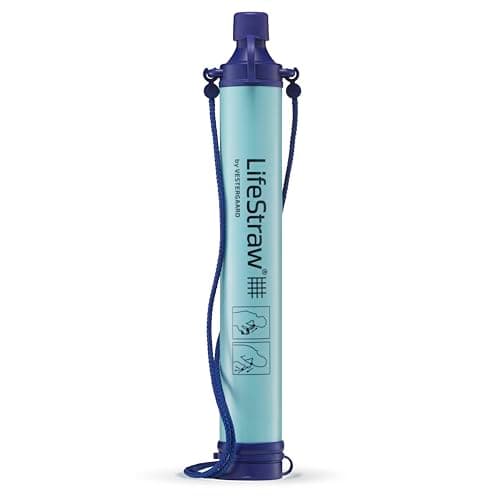
These words are used loosely in marketing and precisely in the standards, and the difference decides whether a product solves your problem.
| Contaminant | Hollow-fiber filter | Boiling |
|---|
| Bacteria — E. coli, salmonella, cholera | Yes, 99.99999% | Yes |
|---|
| Protozoa — giardia, cryptosporidium | Yes, 99.9999% | Yes |
|---|
| Sediment, silt, cloudiness | Yes | No — it remains, though it is safe |
|---|
| Microplastics | Yes | No |
|---|
| Viruses | No — they pass through 0.1 micron | Yes |
|---|
| Chemicals, fuel, pesticides, solvents | No | No — boiling concentrates them |
|---|
| Heavy metals, salt | No | No |
|---|
Removal figures are the manufacturers' published ratings for the filters featured here. A device rated as a purifier rather than a filter additionally addresses viruses, usually chemically or with a much finer membrane.
Two rows matter most. Filters do not remove viruses, which in North American backcountry water is a low risk and in flood-contaminated water is not. And nothing here removes chemicals — boiling actually concentrates them as water evaporates.
The rule that follows
If you have any reason to suspect chemical contamination — floodwater near industry, fuel storage, agricultural runoff, a damaged septic system — do not filter it and do not boil it. Use stored or bottled water, and follow your local health authority's guidance.
Filters and boiling are tools for biological contamination. They are excellent at that and useless at anything else, and confidence in the wrong situation is the actual hazard.
Where household water actually comes from
Before filtering anything, work through what you already have. Most households have more than they think.
- The water heater. 40 to 80 potable gallons with a drain valve at the base. Turn off the power or gas first — the water heater page covers draining it correctly.
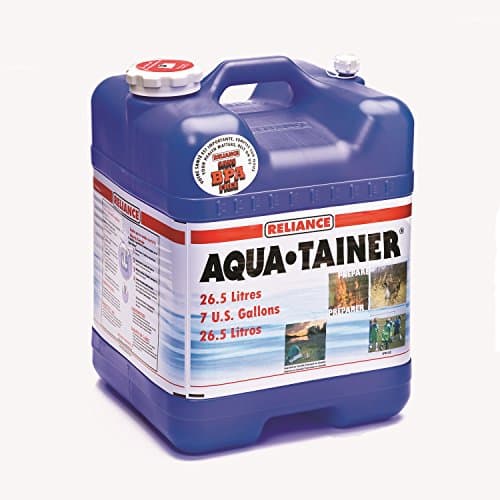
- Stored containers, if you filled them before the storm.
- Ice in the freezer, which is melting anyway.
- Toilet tanks — the tank, not the bowl — on a municipal supply with no chemical cleaner block.
- The pressure tank on a well, which holds a few gallons.
A filter is what you reach for after those, or when the outage is long enough that they run out.
Practical use, and the mistakes
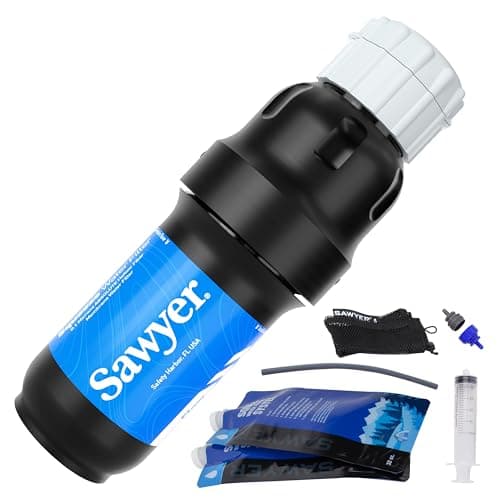
Pre-filter cloudy water. Running silty water straight through a hollow-fiber filter clogs it fast. A coffee filter, a bandana or simply letting sediment settle first extends the filter's life enormously.
Backflush on schedule. Squeeze-type filters come with a syringe for exactly this, and flow rate is the signal — when it slows, backflush rather than assuming it is finished.
Never let it freeze. This is the failure that catches people, because it is invisible. Ice ruptures the hollow fibers, and a frozen filter passes water that is no longer filtered with no outward sign. Store it indoors, not in a car or a garage, anywhere that freezes.
Keep dirty and clean separate. Mark the containers. Cross-contaminating a clean bottle with an unfiltered cap defeats the entire exercise.
Dry it before storage. A filter put away wet can grow things inside it over months.
What this does not replace
Storage. A filter turns a questionable source into a drinkable one, and it does nothing if there is no source at all.
On a well with no generator and no stream nearby, a filter is not a water plan. Stored containers are, and the storage page covers how much a household actually needs per day — the rural property page covers the wider set of systems that fail together out of town.
The short version
- Filters handle bacteria and protozoa. Not viruses, not chemicals.
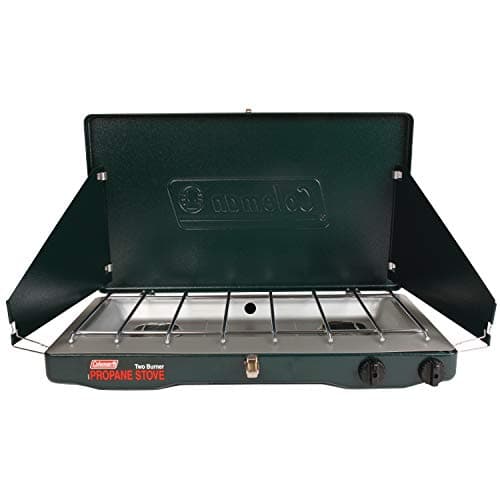
- Boiling handles viruses too. One minute rolling, three above 6,500 feet.
- Chemical contamination means neither. Use stored or bottled water.
- Never let a hollow-fiber filter freeze. The failure is invisible.