Two things to keep warm, and only one is the house
The instinct is to heat the building. Without power that is not achievable, and trying is what leads to the dangerous decisions.
The two achievable goals are different:
- Keep the people warm. Clothing, blankets and one small room. This is almost free and it works indefinitely.
- Keep the plumbing above freezing. This is what actually has a deadline, and it is what decides whether you stay.
Separating them makes the whole problem manageable.
Warming people
Ready.gov's cold-exposure guidance is specific and worth following exactly: warm the center of the body first — chest, neck, head and groin — and stay dry and wrapped up in warm blankets, including the head and neck.
The practical version:
- Layers beat one thick garment. Trapped air between layers is the insulation.
- Cover the head and neck. Both lose heat fast and both are easy to forget indoors.
- Stay dry. Damp clothing conducts heat away several times faster than dry. Change out of anything you sweated into.
- Eat and drink. Warm drinks help, food more so — the body generates heat from it.
- Move periodically. Sitting still in a cold room is how people get cold without noticing.
- Share body heat. Everyone in one room, and children and older adults nearest the middle.
Watch the vulnerable specifically. Older adults, young children and anyone on certain medications lose heat faster and notice it later.
One room, chosen in advance
Pick it before the outage rather than during one:
- Small. Less volume to keep warm.
- Interior. Fewer exterior walls losing heat.
- Few windows, and a door that closes.
- Upstairs if you have a choice. Heat rises, and a first floor room starts warmer.
- Not the kitchen, which usually has the most exterior wall and the most glass.
Then close doors to everywhere else, block drafts under doors with towels, close curtains and blinds at night — and open the ones on the sun side during the day, which is genuinely worth several degrees.
Sleeping bags rated below the temperature you expect indoors rather than outdoors, and everyone in the same room, is the arrangement that works.
The pipes are the actual deadline
This is what makes a winter outage different from an uncomfortable night.
The Building Research Council at the University of Illinois established a temperature alert threshold of 20°F for uninsulated pipes — the outside temperature at which freezing began in field tests of pipes in an unconditioned attic. Pipes exposed to moving cold air through gaps can freeze above that.
A burst pipe is not the ice crushing the pipe. Ice forms a blockage and pressure builds between it and a closed faucet until something gives. Which is why the standard measures work:
- Let a cold tap drip on faucets served by exposed pipes. The Red Cross notes even a trickle helps.
- Open cabinet doors under sinks so warmer air reaches the plumbing.
- Never let the house drop below 55°F if you leave.
And the decision this creates: if the house is heading below freezing and you cannot stop it, draining the system and leaving is a legitimate choice. Make it early, while roads are still passable. The winter kit covers the equipment side.
Heat sources, ranked by whether they kill people
| Source | Verdict | Why |
|---|
| Gas furnace blower on a battery | Best | Heats the whole house, no combustion indoors, 300-800W |
|---|
| Wood stove or fireplace, properly vented | Good, if it is yours and it is maintained | Designed for the job, with a flue that works |
|---|
| Clothing, blankets, one room | Always right | No fuel, no risk, works indefinitely |
|---|
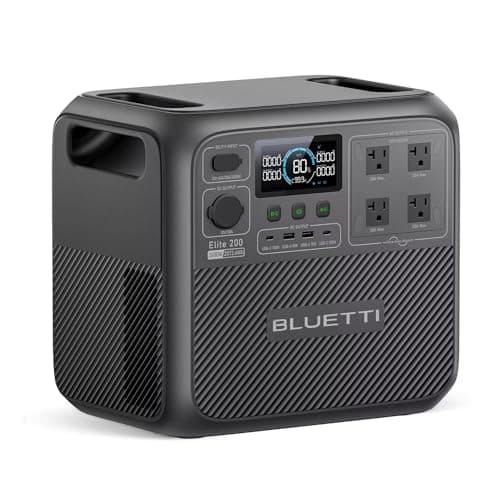
| Electric space heater on a battery | Poor value | 1,500W empties a 2kWh battery in under 90 minutes |
|---|
| Unvented fuel heater indoors | Dangerous | Combustion products go into the room you are sitting in |
|---|
| Gas oven or stovetop as heating | Never | Ready.gov names this explicitly. It kills people annually |
|---|
| Charcoal or a grill indoors | Never | Very high CO, continuing after the flames are out |
|---|
| Generator indoors or in a garage | Never | The single most common outage fatality mechanism |
|---|
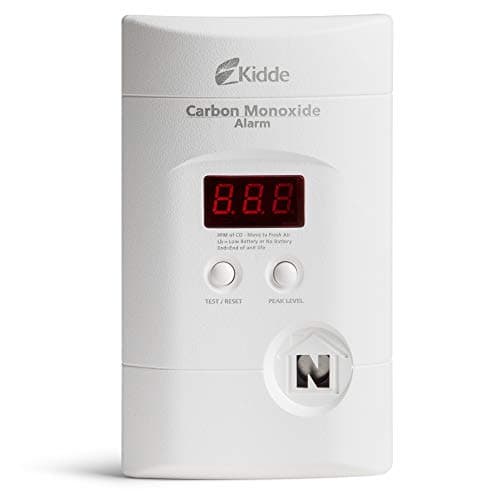
The bottom four rows are not a ranking of risk tolerance — they are things Ready.gov and the CPSC name specifically because people die doing them every winter. A working CO alarm on every level is the backstop for the moment somebody in the household decides otherwise.
The blower argument, in numbers
Worth spelling out because it inverts what most people assume.
- A 1,500W space heater warms one room and empties a 2,000Wh battery in under 90 minutes.
- A 500W furnace blower heats the entire house and runs from the same battery for four hours or more — and because it cycles rather than running continuously, considerably longer in practice.
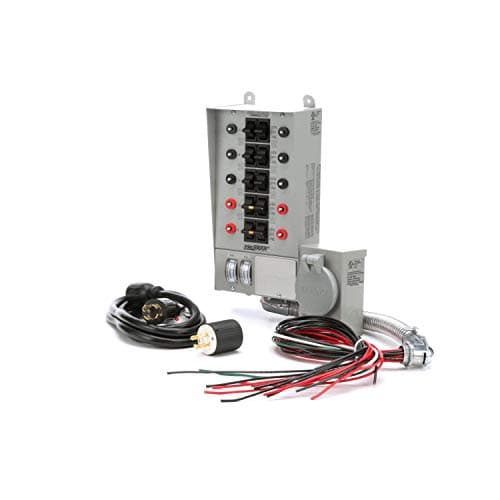
The furnace wins on every axis. The only reason people reach for the heater is that it plugs in and the furnace does not, which is a wiring problem rather than an energy one — and a transfer switch solves it.
This only applies if your furnace burns gas or oil. How much power a furnace uses covers the electric case, which is much harder.
Before the season
- Find out what your furnace burns. Everything follows from this and a lot of people do not know.
- Get a transfer switch fitted if it is gas or oil.
- Choose the room and put the sleeping bags in it.
- Test every CO and smoke alarm and check the printed expiration dates.
- Have the wood stove or fireplace swept if you have one and intend to use it.
- Know where the water shut-off is, in case draining becomes the answer.
- Have somewhere to go — a relative, a warming center — and the means to get there.