Skip to content
Watt Warden

Outage Prep

How to Keep Pipes From Freezing During a Power Outage

A burst pipe costs more than every piece of backup power on this page put together. Three of the four things that prevent one need no electricity at all.

By Sawyer V.Updated Published How we work this out
Icicles hanging from the edge of a building in winter.

Watt & Warden earns a commission on qualifying purchases made through links on this page, at no extra cost to you. It never changes a ranking, and our picks include products we tell you to skip. Full disclosure.

The verdict, in one paragraph

Do the free things first, because they work with no power at all: let a faucet trickle on the most exposed run, open the cabinet doors under sinks on exterior walls, and if you are leaving, keep the thermostat no lower than 55°F. Then deal with the electrical half: a self-regulating heat cable on exposed pipe is the standard preventive measure, and in an outage it needs something to run it. The highest-value backup power in a winter storm is not heat — it is a gas furnace blower, which this site puts at about 800W running with an 800 to 1,600W start, well inside a 2kWh battery with a 1,800W or larger inverter. A house that keeps its heat never gets near the threshold where any of this matters.

Which pipes freeze, and in what order

Not all plumbing is at equal risk. The Red Cross identifies the vulnerable runs as:

  • Exposed outdoor lines — hose bibs, swimming pool supply lines, sprinkler lines.
  • Pipes in unheated interior areas — basements, crawl spaces, attics, garages and kitchen cabinets.
  • Pipes running against poorly insulated exterior walls.

One useful technical point from the National Weather Service: wind chill does not affect pipes, because an object cannot cool below the actual air temperature. A 20°F air temperature means a 20°F pipe eventually, and a "feels like 5°F" forecast does not make that happen faster in any way that changes your plan. Air temperature and duration are the numbers that matter.

The free steps, in the order to do them

  1. Let a faucet trickle. Moving water through a pipe, even slowly, helps keep it from freezing. The NWS suggests running the faucet on an outside wall overnight. Pick the run furthest from where the water enters the house.
  2. Open cabinet doors under sinks on exterior walls, so warmer room air reaches the plumbing. Move household chemicals out of reach first if there are children or pets.
  3. Hold one steady temperature day and night. The Red Cross notes this may raise a heating bill but can prevent a far costlier repair. Do not set back overnight during a cold snap.
  4. If you are leaving, set the thermostat no lower than 55°F. Both the Red Cross and the NWS publish that figure for extended absences.
  5. Close the house up. Garage doors shut, crawl-space vents closed, and interior doors open so heat circulates.

None of that needs electricity, and in a short outage it is usually enough on its own.

Where backup power actually earns its place

The instinct in a cold outage is to buy heat. It is the wrong instinct, because electric heat is enormously expensive in watts and a battery is measured in watt-hours. The right targets, in order:

What to powerTypical drawWhy it is worth the watt-hours
Gas furnace blowerAbout 800 W running; 800-1,600 W startKeeps the whole house above the threshold. By far the best return per watt-hour.
Self-regulating heat cableVaries with pipe temperature by designProtects the one run that is genuinely exposed, at a small continuous draw
Router and modem20-40 WMakes a temperature alarm work. Cheapest item on the list.
Boiler circulator pumpSmall, varies by systemSame logic as a furnace blower on a hydronic system
Space heater750-1,500 W, published, with no starting surgePoor value - heats one room and empties a battery in about an hour
Electric furnace or strip heatThousands of wattsNot realistic on battery. Shed it and protect the pipes directly.

Furnace blower and space heater figures are this site's working averages, derived on the per-appliance pages linked below from Champion's published wattage chart. Heat cable draw varies by design, which is the point of self-regulating cable.

The furnace is the whole game

A gas or propane furnace burns fuel to make heat and uses electricity only to move air and run its controls. Lose the power and a house full of usable heating fuel sits idle because a blower will not turn.

That is the single highest-leverage use of a battery in a winter outage. At about 800W running, a 2kWh unit delivering roughly 1,760Wh covers a blower cycling through a night with room for a heat cable and a router — and a heated house does not have a pipe problem. Backup power for a furnace covers how to actually connect it, which is the part people skip.

If the heat is electric, this does not apply and the honest answer changes — backup power for a home with electric heat is the harder case, and protecting the pipes directly becomes the strategy rather than heating the house.

If a pipe does freeze

  • Keep the faucet open. As the ice melts, water needs somewhere to go, and flow through the pipe helps the thaw along.
  • Never use an open flame. The NWS recommends a hair dryer instead. Blowtorches start house fires and are the classic way this goes badly.
  • Work from the faucet back toward the frozen section, so meltwater can escape.
  • Know where the main shutoff is before you need it. If a pipe has already burst, that valve is the only thing that limits the damage.

What to buy, in order of value

  • Nothing, if your outages are short and your heat is gas. The free steps cover a few hours comfortably.
  • A heat cable for the one exposed run you already worry about. Fit it in autumn.
  • A temperature alarm if there is a crawl space, a basement or a property you are not always in.
  • A 1 to 2kWh battery sized to the furnace blower, with at least 1,800W of inverter to clear its start.
  • A way to connect it to the furnace. The battery is useless if the furnace is hardwired and nothing bridges the gap.

The winter storm outage kit covers the non-electrical half, and staying warm without power covers keeping people comfortable while the house cools.

The short version

Trickle a faucet, open the cabinets, hold a steady temperature and do not set back below 55°F if you leave — those are free and they work without power. Put a self-regulating heat cable on the genuinely exposed run before winter starts. Then spend your backup-power budget on the gas furnace blower rather than on heat, because at about 800W it is the cheapest way to keep an entire house above the threshold, and a warm house never has this problem. Keep the battery indoors so it can still be charged in a cold snap, and find your main shutoff valve today.

Quick picks

#ProductBest forPrice
1
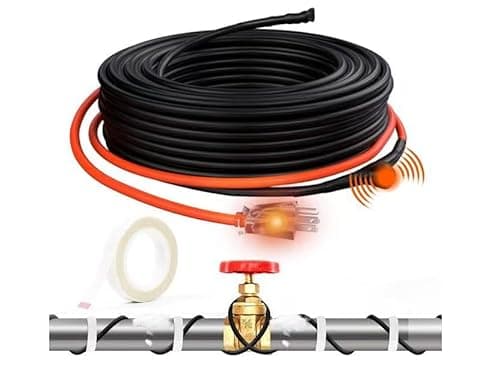
HEATIT 30ft self-regulating pipe heating cable

The direct fix for the pipe you already worry about

HEATIT 30ft self-regulating pipe heating cable

30ft of self-regulating cable that draws more power as the pipe gets colder and backs off as it warms - and it is safe to overlap, cross and spiral wrap.

An exposed run in a crawl space, garage or against an exterior wall
$34.99 · Check price on Amazon

#ad how this is funded · price as of October 21, 2026

2
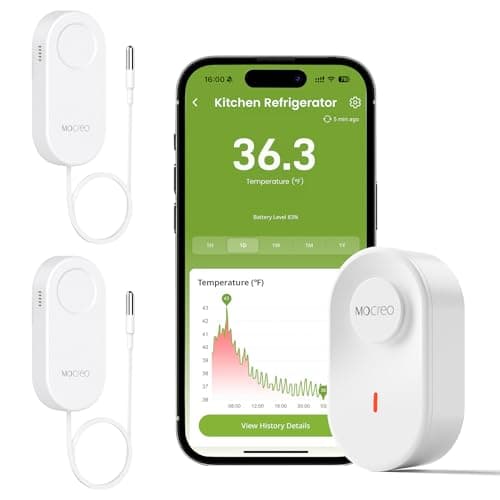
MOCREO WiFi temperature alarm, 2 sensors

Knowing before it happens

MOCREO WiFi temperature alarm, 2 sensors

Two wireless sensors with email and app alerts, so a dropping crawl-space temperature reaches you while it is still a warning.

A crawl space, a vacation home or a basement nobody visits
$49.99 · Check price on Amazon

#ad how this is funded · price as of October 21, 2026 · $69.99 29% off

3
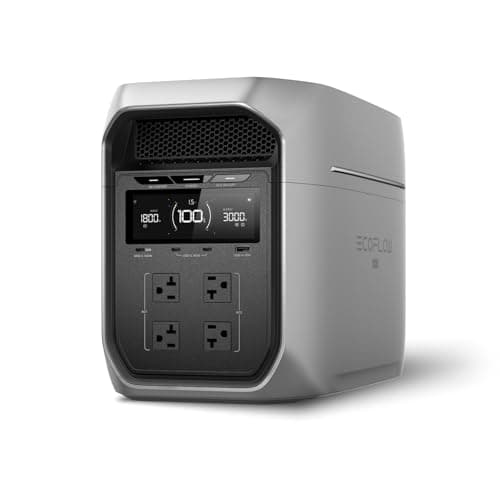
EcoFlow DELTA 3 Max Plus

What keeps the furnace running, silently, indoors

EcoFlow DELTA 3 Max Plus

2,048Wh and 3,000W at a published 25 dB with a 10ms switchover - enough to run a furnace blower, a heat cable and the network through a night.

A gas furnace that only needs its blower powered
$1,199.00 · Check price on Amazon

#ad how this is funded · price as of October 21, 2026 · $1,899.00 37% off

4
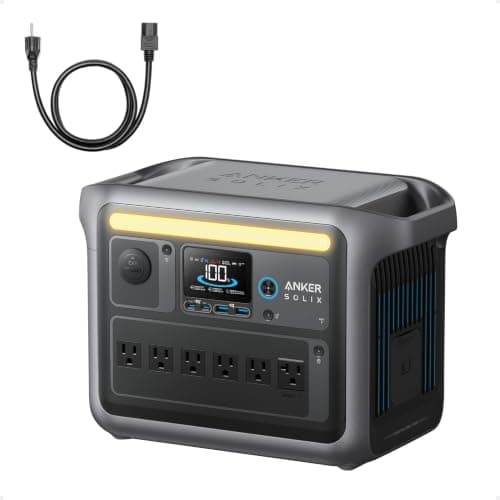
Anker SOLIX C1000

The affordable version of the same job

Anker SOLIX C1000

1,056Wh with 1,800W continuous and 2,400W of SurgePad - enough for a furnace blower or a heat cable plus lighting and a network.

Running a heat cable and a few essentials overnight
$499.99 · Check price on Amazon

#ad how this is funded · price as of October 21, 2026 · $599.99 17% off

5
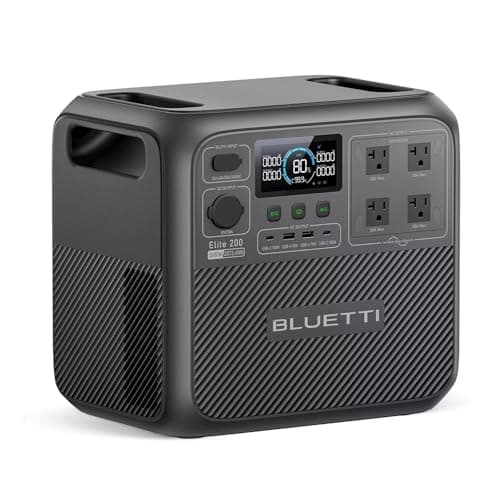
BLUETTI Elite 200 V2

A full night of heat, quietly

BLUETTI Elite 200 V2

2,073.6Wh and 2,600W on cells rated 6,000+ cycles - roughly 1,760Wh delivered, which covers a blower, a fridge and a heat cable overnight.

A whole winter night with the blower cycling
$1,399.00 · Check price on Amazon

#ad how this is funded · price as of October 21, 2026

Prices come from the retailer at page-build time and change constantly. Where no live price is available the button reads “Check price” rather than showing a number we cannot stand behind.

The picks in full

01 — The direct fix for the pipe you already worry about

HEATIT 30ft self-regulating pipe heating cable

30ft of self-regulating cable that draws more power as the pipe gets colder and backs off as it warms - and it is safe to overlap, cross and spiral wrap.

Self-regulating is the important word. The cable's output varies with the temperature of what it is touching, so the cold section of a run draws power and the warm section does not. That is why the listing states it is safe to overlap, cross and spiral wrap without overheating — constant-wattage cable is not.

The Red Cross lists UL-listed heat tape or heat cable on exposed water pipes as a standard preventive measure, alongside insulating attics, basements and crawl spaces.

The honest catch: it is an electrical device. In an outage it does nothing unless something is powering it, which is the entire reason the rest of this page exists. Fit it before winter, not during a storm.

Skip it ifthe pipe is inside a heated wall. Cable belongs on the runs that are actually exposed.

HEATIT 30ft self-regulating pipe heating cable
$34.99 · Check price on Amazon

#ad how this is funded · price as of October 21, 2026

Published specifications for the HEATIT 30ft self-regulating pipe heating cable
SpecificationPublished figure
Length30 ft
TypeSelf-regulating heating cable
UsePipe freeze protection
Power behaviorAutomatically adjusts heating power, per the listing
RoutingSafe to overlap, cross and spiral wrap without overheating
Watts per footNot stated in the listing title we checked

Source: HEATIT — 30ft self-regulating pipe heating cable listing. These are the manufacturer's published figures, not ours — we have not tested this unit.

02 — Knowing before it happens

MOCREO WiFi temperature alarm, 2 sensors

Two wireless sensors with email and app alerts, so a dropping crawl-space temperature reaches you while it is still a warning.

Most burst pipes are discovered after the thaw, not during the freeze. A sensor in the coldest part of the house turns an invisible problem into a notification with hours of warning attached.

Two sensors is the right number for a typical house: one in the crawl space or basement, one near the most exposed run.

The honest catch: this is the irony of the category. A Wi-Fi alarm needs a router, and a router needs power — so it only works during an outage if the network is on the backed-up side. Backup power for a router and modem is a cheap fix for an expensive gap.

Skip it ifthe property has no internet. These alert over Wi-Fi, which an outage usually takes down.

MOCREO WiFi temperature alarm, 2 sensors
$49.99 · Check price on Amazon

#ad how this is funded · price as of October 21, 2026 · $69.99 29% off

Published specifications for the MOCREO WiFi temperature alarm, 2 sensors
SpecificationPublished figure
Sensors2 remote wireless temperature sensors
AlertsEmail alert and app notification
DataData record export
SubscriptionNone, per the listing
ConnectionWi-Fi — needs a working router and internet to alert

Source: MOCREO — WiFi thermometer and freezer alarm listing. These are the manufacturer's published figures, not ours — we have not tested this unit.

03 — What keeps the furnace running, silently, indoors

EcoFlow DELTA 3 Max Plus

2,048Wh and 3,000W at a published 25 dB with a 10ms switchover - enough to run a furnace blower, a heat cable and the network through a night.

The single most effective thing backup power does in a winter outage is keep a gas furnace's blower turning. The burner needs almost nothing; the blower is the load, and this site's working figure is about 800W running with an 800 to 1,600W start.

A 3,000W inverter covers that with room for a heat cable, the refrigerator and the router simultaneously, and roughly 1,740Wh of delivered energy is a meaningful share of a night.

The honest catch: it has to be wired in to run a furnace properly, or the furnace has to be on a cord. A furnace hardwired to a dead panel does not care that there is a battery in the next room — backup power for a furnace covers the connection.

Skip it ifyour heat is electric. A resistance system is measured in kilowatts and this is measured in kilowatt-hours.

EcoFlow DELTA 3 Max Plus
$1,199.00 · Check price on Amazon

#ad how this is funded · price as of October 21, 2026 · $1,899.00 37% off

Published specifications for the EcoFlow DELTA 3 Max Plus
SpecificationPublished figure
Capacity2,048 Wh, scalable 2-10 kWh
AC output3,000 W rated / 6,000 W surge
X-BoostAppliances up to 3,800 W
AC charge0-80% in 43 minutes with generator charging
UPS10 ms auto-switch
Noise25 dB published
Warranty3 years, plus 2 on EcoFlow app registration

Source: EcoFlow — DELTA 3 Max series product page. These are the manufacturer's published figures, not ours — we have not tested this unit.

04 — The affordable version of the same job

Anker SOLIX C1000

1,056Wh with 1,800W continuous and 2,400W of SurgePad - enough for a furnace blower or a heat cable plus lighting and a network.

A kilowatt-hour sounds small until you price what it protects. A self-regulating heat cable and a router draw very little; a furnace blower is the big item, and 1,800W clears its published 800 to 1,600W start.

Anker publishes 80% in 43 minutes and full in 58 from the wall, so it refills quickly in any window where the grid comes back.

The honest catch: 1,056Wh against an 800W blower cycling through a cold night is hours, not a full night. Size it against your own run time — how much power a furnace uses has the duty-cycle arithmetic.

Skip it ifyou want to run the blower and a space heater. 1,800W is one or the other.

Anker SOLIX C1000
$499.99 · Check price on Amazon

#ad how this is funded · price as of October 21, 2026 · $599.99 17% off

Published specifications for the Anker SOLIX C1000
SpecificationPublished figure
Usable capacity1,056 Wh
Cell chemistryLiFePO4 (LFP)
AC output1,800 W continuous / 2,400 W SurgePad
Cycle life3,000 cycles
Wall recharge80% in 43 min, full in 58 min
Max solar input600 W (full solar recharge ~1.8 h)
Ports11 total, including 6 AC on panel-equipped bundles

Source: Anker — SOLIX C1000 product specifications. These are the manufacturer's published figures, not ours — we have not tested this unit.

05 — A full night of heat, quietly

BLUETTI Elite 200 V2

2,073.6Wh and 2,600W on cells rated 6,000+ cycles - roughly 1,760Wh delivered, which covers a blower, a fridge and a heat cable overnight.

Two kilowatt-hours is the band where a winter outage stops being an emergency and becomes an inconvenience: the furnace keeps cycling, the house keeps its heat, and the pipes never get near the threshold.

It is silent and emits nothing, so it runs inside a sealed house overnight in a way no generator can.

The honest catch: most LFP units will not accept a charge below freezing. Store it inside, not in the garage, or it will be the one thing in the house you cannot refill — storing a power station covers the windows.

Skip it ifyou need to start a well pump too. 2,600W is a 120V budget.

BLUETTI Elite 200 V2
$1,399.00 · Check price on Amazon

#ad how this is funded · price as of October 21, 2026

Published specifications for the BLUETTI Elite 200 V2
SpecificationPublished figure
Usable capacity2,073.6 Wh
Cell chemistryAutomotive-grade LiFePO4 (LFP)
AC output2,600 W continuous / 3,900 W power lifting
Cycle life6,000+ cycles
Fast charge0–80% in 50 min via dual AC/DC input

Source: BLUETTI — Elite 200 V2 product specifications. These are the manufacturer's published figures, not ours — we have not tested this unit.

How these were chosen

We did not test these. Nobody at Watt & Warden has plugged one in. What we did instead: read the manufacturer's published specifications, compile them into a table where the figures line up, and compute the numbers manufacturers leave out — runtime against a real appliance load, and what an hour of running actually costs.

Anything that could not be sourced was left out rather than estimated, and every pick names the buyer who should skip it. The full method is here, including where it is weaker than a publisher with a test bench.

Questions people actually ask

How do I keep pipes from freezing during a power outage?

Start with the free steps that need no electricity: let a faucet trickle on the most exposed run, open cabinet doors under sinks on exterior walls, and hold one steady indoor temperature rather than setting back. Fit a self-regulating heat cable on genuinely exposed pipe before winter. Then use backup power on a gas furnace blower, which at roughly 800W keeps the whole house above the threshold.

What temperature should I set the thermostat to if I leave during winter?

No lower than 55 degrees Fahrenheit. Both the Red Cross and the National Weather Service publish that figure for extended cold-weather absences. The Red Cross also advises holding one steady temperature day and night rather than setting back overnight, noting it may raise a heating bill but can prevent a far costlier burst-pipe repair.

Does wind chill make pipes freeze faster?

No. The National Weather Service states that wind chill does not affect pipes, because an object cannot cool below the actual air temperature. A forecast of 20F air with a wind chill of 5F still means the pipe is heading for about 20F. Air temperature and how long it lasts are the numbers to plan around.

Which pipes are most likely to freeze?

The Red Cross identifies three groups: exposed outdoor lines such as hose bibs, pool supply lines and sprinkler lines; pipes in unheated interior spaces including basements, crawl spaces, attics, garages and kitchen cabinets; and pipes running against poorly insulated exterior walls.

Will a heat cable work during a power outage?

Only if something is powering it. A heat cable is an electrical device, so in an outage it does nothing unless it is on a backed-up circuit or plugged into a battery. Self-regulating cable draws relatively little - its output varies with pipe temperature by design - so it is an easy load for a power station to carry alongside a furnace blower.

Should I run a space heater on my battery to protect the pipes?

Almost never. A space heater draws a published 750 to 1,500W and heats one room, which would empty a 2kWh battery in roughly an hour. The same watt-hours spent on a gas furnace blower at about 800W keep the entire house warm. Shed the space heater and power the blower.

What should I do if a pipe is already frozen?

Keep the faucet open so meltwater can escape, and work from the faucet back toward the frozen section. Never use an open flame - the National Weather Service recommends a hair dryer instead. Locate your main water shutoff before you need it, because if the pipe has already burst that valve is the only thing limiting the damage.

Sources