Skip to content
Watt Warden

Outage Prep

Winter Storm Power Outage Kit

A summer outage is uncomfortable. A winter one damages the house. The furnace blower is the load that matters, and the pipes are the clock you are actually racing.

By Sawyer V.Updated Published How we work this out
A snow-covered house during a winter storm at dusk.

Watt & Warden earns a commission on qualifying purchases made through links on this page, at no extra cost to you. It never changes a ranking, and our picks include products we tell you to skip. Full disclosure.

Winter outages fail differently

In summer, losing power is unpleasant. Food is at risk, the house gets warm, and you wait.

In winter, the house itself is at risk. An unheated house in a hard freeze loses temperature steadily, and when the plumbing reaches freezing the damage is measured in thousands of dollars and weeks of repairs. That makes the winter kit a different list with different priorities.

The second difference is that winter outages last longer. Ice loads break lines and limbs across a wide area, and crews restore more slowly because they are working in the same conditions that caused the damage.

The load is the blower, not the heat

This surprises people, and it is the single most useful thing on this page: a gas or oil furnace makes heat by burning fuel. Electricity only runs the blower, the igniter and the controls.

Heating equipmentRunning wattsStarting watts
Furnace fan (½ HP)300–800800–1,600
Furnace fan (¼ HP)6001,000
Furnace fan (⅛ HP)300500
Electric space heater750–1,500

Half-horsepower and space heater figures from Champion Power Equipment's published wattage chart; the by-horsepower breakdown from Honda Power Equipment's wattage estimation guide. Ranges are the manufacturers' own. An electric furnace or heat pump with resistance strips is a completely different and far larger load.

So a modest battery can keep a whole gas-heated house above freezing, which is a much better use of stored energy than a space heater. A 1,500W heater warms one room and empties a 2kWh battery in under 90 minutes; the same battery running a 500W blower heats the entire house for four hours or more. The full wattage chart has the rest.

The catch is that a furnace is hardwired. That is why the transfer switch above is on this list and not on the summer one — connecting a generator to the house is the winter-specific problem to solve in advance.

The pipes are the real clock

The Building Research Council at the University of Illinois established a "temperature alert threshold" of 20°F for uninsulated pipes — the outside temperature at which freezing began in field tests of pipes in an unconditioned attic. Pipes exposed to moving cold air through gaps or missing insulation can freeze above that.

A burst pipe is not caused by ice crushing the pipe. Ice forms a blockage, and water pressure builds between that blockage and a closed faucet downstream until something gives. Which is why the standard advice works:

  • Let a cold tap drip on faucets served by exposed pipes. The Red Cross notes that even a trickle helps.
  • Open cabinet doors under kitchen and bathroom sinks so warmer air reaches the plumbing.
  • Hold one temperature day and night. The Red Cross advises suspending nighttime setbacks during extreme cold — a higher heating bill against a far costlier repair.
  • Never leave the house below 55°F if you go away in cold weather.

If the outage will outlast your ability to hold the house above freezing, draining the system and leaving is a legitimate decision, not a defeat. Make it early, while the roads are still passable.

The kit

Power

  • A battery, kept indoors and fully charged. Charge it when the forecast appears, not when the lights go out.
  • A generator with electric start if outages where you live run past a day.
  • A transfer switch or inlet box, installed in the fall, so the furnace is reachable at all.
  • Cords rated for outdoor cold, run through a door or window with the exhaust well away from it.

Heat and light

  • Warm layers, hats and wool blankets. Ready.gov's cold-exposure guidance is to warm the core first — chest, neck, head and groin — and to stay dry and wrapped up including the head and neck.
  • Sleeping bags rated below the temperature you expect indoors, not outdoors.
  • Flashlights and headlamps with spare batteries. No candles: house fires spike during winter outages.
  • One room chosen in advance to close off and heat — smallest, most interior, fewest windows.

Safety

  • CO alarms with battery backup on every level, tested, and within their printed expiration date.
  • Smoke alarms tested at the same time. It is the same five minutes.
  • A battery or hand-crank radio for utility and weather updates.

House and food

  • Water: pipes may freeze, and a well pump has no power at all. Fill the tub before the storm arrives.
  • Food that needs no cooking, and a manual can opener.
  • Ready.gov puts a closed refrigerator at about four hours and a full freezer at about 48 — the freezer is your real cold storage. In hard freezes a cooler on a sheltered porch works, but not in direct sun.
  • Ice melt and a shovel to keep a path to the generator clear.
  • Phones and power banks charged, and the car's tank full — Ready.gov lists a full tank of gas among winter supplies for good reason.

Carbon monoxide, which winter makes worse

Every dangerous shortcut becomes tempting when it is 15°F, and the same three appear every year: the generator moved into the garage to keep it out of the snow, the unvented heater brought indoors, and the gas oven left open to warm a kitchen.

Ready.gov's rules do not change because it is cold:

  • Generators and fuel outdoors only, at least 20 feet from windows, doors and attached garages.
  • Never heat a home with a gas stovetop or oven.
  • Keep the generator dry and protected from rain — which in winter means a purpose-made running cover, not a tarp and not a shed.
  • Connect appliances with heavy-duty extension cords, and let the generator cool before refueling.
  • Working CO alarms on every level of the home.

Snow adds one hazard the summer guidance does not mention: drifting can block a generator's exhaust or bury its air intake. Clear around it, and clear it again after every few hours of snowfall. The full safety guidance.

Do this in October

Everything on this page is cheaper, easier and available in the fall. During a storm warning, generators, cords and fuel cans sell out within hours, and no electrician will come to fit a transfer switch.

  • Run the generator under load for fifteen minutes and change the oil.
  • Rotate the stored fuel and treat the fresh batch.
  • Test every CO and smoke alarm and check the expiration dates.
  • Charge the battery and confirm it holds.
  • Get the transfer switch or inlet box fitted if you do not have one.

The seasonal maintenance routine is under an hour, twice a year. It is the difference between equipment you own and equipment that works.

Quick picks

#ProductBest forPrice
1
No photo

Best indoor battery for winter

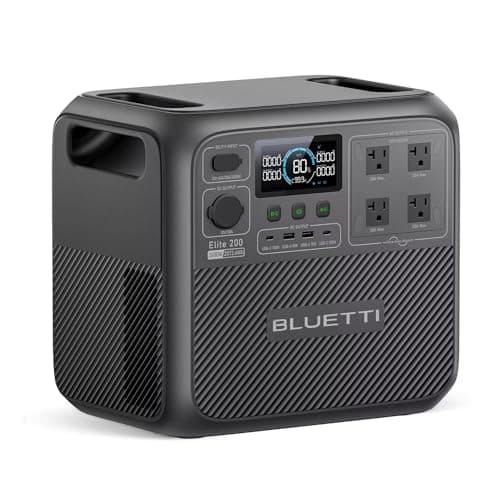
BLUETTI Elite 200 V2

2,073Wh of LiFePO4 with 2,600W continuous — enough surge headroom for a blower motor.

Running a furnace blower without going outside
2
No photo

The part most people are missing

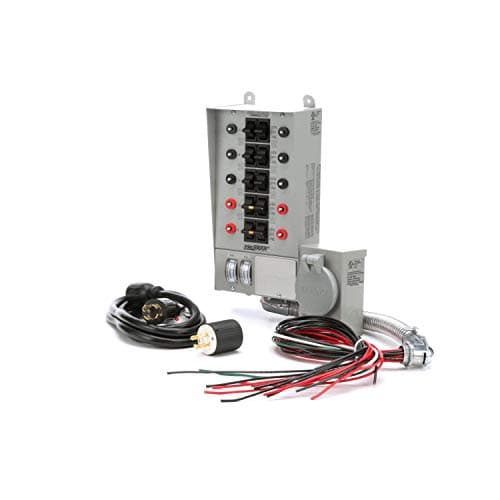
Reliance Controls 31410CRK Pro/Tran

A 10-circuit transfer switch kit that lets a generator feed the furnace, well pump and hardwired circuits.

Feeding a hardwired furnace safely
3
No photo

Best generator for multi-day cold

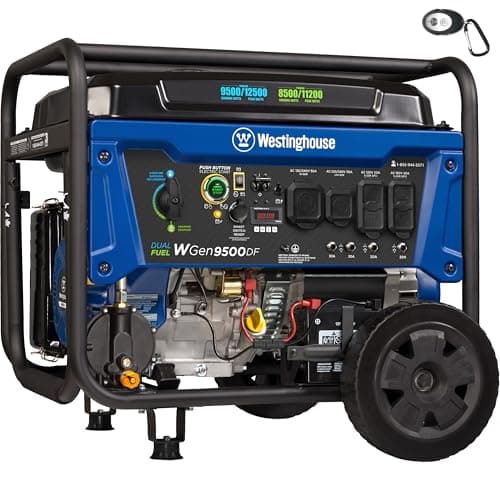
Westinghouse WGen9500DF

9,500 running watts on gasoline with remote electric start and dual-fuel capability.

Ice storms, which run long
4
No photo

The winter item people skip

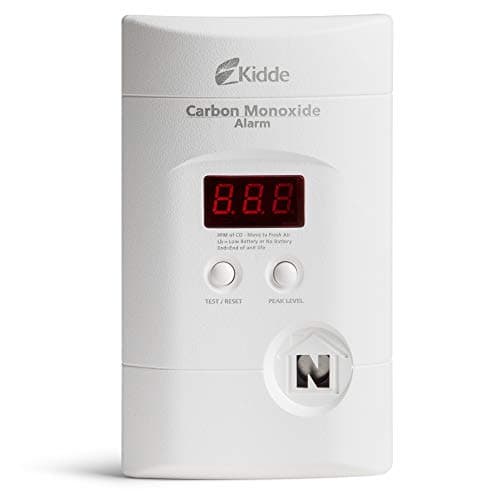
Kidde Nighthawk KN-COPP-3 CO alarm

A plug-in CO alarm with battery backup and a digital ppm display.

Every level of the house
5
No photo

So it starts in February

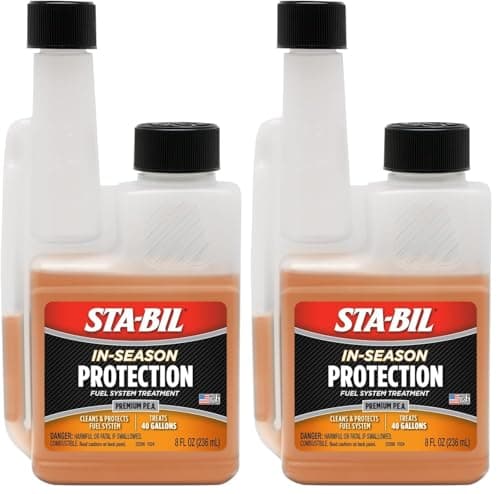
STA-BIL 360 Protection fuel stabilizer

One ounce treats up to five gallons; the label claims up to 12 months of storage protection.

Fuel stored since summer

Prices come from the retailer at page-build time and change constantly. Where no live price is available the button reads “Check price” rather than showing a number we cannot stand behind.

The picks in full

01Best indoor battery for winter

BLUETTI Elite 200 V2

2,073Wh of LiFePO4 with 2,600W continuous — enough surge headroom for a blower motor.

2,600W of continuous output covers the 800–1,600W starting draw Champion publishes for a half-horsepower furnace fan, which is the specification that decides this. Capacity is secondary to surge.

A blower running at 300–800W for a third of the night is roughly 1,500–2,500Wh, so one full battery is somewhere between most of a night and a full one — enough to keep the house above freezing until morning.

Being a battery, it lives indoors where it is warm. That matters more in January than in any other month: lithium cells lose capacity in the cold and usually refuse to charge below a threshold, so an unheated garage is the wrong place for it.

Skip it ifyour furnace is hardwired and you have no way to feed it. Then the transfer switch below comes first.

Published specifications for the BLUETTI Elite 200 V2
SpecificationPublished figure
Usable capacity2,073.6 Wh
Cell chemistryAutomotive-grade LiFePO4 (LFP)
AC output2,600 W continuous / 3,900 W power lifting
Cycle life6,000+ cycles
Fast charge0–80% in 50 min via dual AC/DC input

Source: BLUETTI — Elite 200 V2 product specifications. These are the manufacturer's published figures, not ours — we have not tested this unit.

02The part most people are missing

Reliance Controls 31410CRK Pro/Tran

A 10-circuit transfer switch kit that lets a generator feed the furnace, well pump and hardwired circuits.

A furnace has no plug. Neither does a well pump. In summer that is a non-issue; in a winter storm it is the whole problem, because the one load you most need is the one you cannot reach with a cord.

A transfer switch is the safe and code-compliant way to connect a generator to hardwired circuits, and it is the alternative to backfeeding through a dryer outlet — which energizes the utility line and can kill a lineworker.

Have it installed by an electrician in the fall, not during the storm. What installation costs.

Skip it ifeverything you need to power has a plug. Then extension cords are simpler and cheaper.

Published specifications for the Reliance Controls 31410CRK Pro/Tran
SpecificationPublished figure
Circuits10 — six 15 A and four 20 A single-pole breakers
Rating30 A, up to 7,500 W
MeteringTwo watt meters for balancing the load
SwitchingBreak-before-make double-throw, Line / Off / Gen
BackfeedMechanically prevented — the grid cannot be energized
InstallationLicensed electrician; a permit is usually required

Source: Reliance Controls — Pro/Tran 31410CRK product page. These are the manufacturer's published figures, not ours — we have not tested this unit.

03Best generator for multi-day cold

Westinghouse WGen9500DF

9,500 running watts on gasoline with remote electric start and dual-fuel capability.

Ice storm outages are among the longest there are, because restoration crews are working on ice under falling limbs. That is the case where capacity and fuel flexibility earn their money.

Remote electric start is a genuine winter feature rather than a luxury — pull-starting a cold engine in the dark, in sleet, wearing gloves, is exactly the moment people give up and do something unsafe.

Dual fuel helps in a storm because gas stations run on electricity and pumps stop, while stored propane keeps indefinitely. It is worth knowing that propane vaporizes more slowly in severe cold, so keep the cylinder out of the wind and expect a full-size tank to perform better than a small one.

Skip it ifyou have no safe outdoor placement twenty feet from windows, doors and an attached garage.

Published specifications for the Westinghouse WGen9500DF
SpecificationPublished figure
Output (gasoline)9,500 running W / 12,500 peak W
FuelGasoline or propane (dual fuel)
Engine457cc 4-stroke OHV, cast iron sleeve
Tank6.6 gal (25 L)
Run timeup to 12 h on a full tank
Transfer-switch outlet120/240 V L14-30R, 30 A
RV outlet120/240 V 14-50R, 50 A
StartingPush-button electric with remote key fob
Warranty3-year limited

Source: Westinghouse — WGen9500DF product specifications. These are the manufacturer's published figures, not ours — we have not tested this unit.

04The winter item people skip

Kidde Nighthawk KN-COPP-3 CO alarm

A plug-in CO alarm with battery backup and a digital ppm display.

Winter is carbon monoxide season, and the reason is behavioral rather than technical: cold pushes people to run generators closer to the house, to use unvented heaters indoors, and — every single year — to heat a room with a gas oven.

Ready.gov is unambiguous on all three: "Only use generators and grills outdoors and away from windows and never heat your home with a gas stovetop or oven."

Alarms expire. Check the date on the back of yours before the season, not after the storm.

Skip it ifyours are under seven years old and you have tested them.

Published specifications for the Kidde Nighthawk KN-COPP-3 CO alarm
SpecificationPublished figure
SensorElectrochemical
Power120 V AC plug-in with 9 V battery backup
DisplayDigital, 30–999 ppm, refreshed every 15 s
Alarm85 dB
MemoryPeak-level memory of the last detection or test
Warranty10-year limited; UL certified

Source: Kidde — Nighthawk KN-COPP-3 product page. These are the manufacturer's published figures, not ours — we have not tested this unit.

05So it starts in February

STA-BIL 360 Protection fuel stabilizer

One ounce treats up to five gallons; the label claims up to 12 months of storage protection.

The most common winter generator failure is not the cold, it is gasoline that has been standing since the last hurricane scare. Treat fuel when you buy it — additives cannot reverse gum that has already formed.

Skip it ifyou rotate your cans through the vehicle every few months.

Published specifications for the STA-BIL 360 Protection fuel stabilizer
SpecificationPublished figure
Treats40 gallons (8 fl oz bottle)
Storage lifeKeeps ethanol-blended fuel fresh up to 12 months
Dose1 oz treats up to 5 gallons of fuel
Also doesFuel-system cleaning, corrosion and water-absorption protection
UseAdd before filling, then run the engine 5 minutes

Source: STA-BIL — 360 Protection product page. These are the manufacturer's published figures, not ours — we have not tested this unit.

How these were chosen

We did not test these. Nobody at Watt & Warden has plugged one in. What we did instead: read the manufacturer's published specifications, compile them into a table where the figures line up, and compute the numbers manufacturers leave out — runtime against a real appliance load, and what an hour of running actually costs.

Anything that could not be sourced was left out rather than estimated, and every pick names the buyer who should skip it. The full method is here, including where it is weaker than a publisher with a test bench.

Questions people actually ask

What size generator do I need for a furnace?

Less than people expect, because you are powering the blower rather than the heat. Champion puts a half-horsepower furnace fan at 300-800W running and 800-1,600W starting; Honda's guide runs from 300W for an eighth-horsepower fan to 875W for a half-horsepower one. An electric furnace or heat pump with resistance strips is a much larger load.

At what temperature do pipes freeze?

The Building Research Council at the University of Illinois established a temperature alert threshold of 20F for uninsulated pipes, based on field tests where freezing began at that outside temperature in an unconditioned attic. Pipes exposed to moving cold air through gaps or missing insulation can freeze above it.

Can I run a generator in the snow?

Only with a purpose-made running cover that keeps airflow and exhaust clear -- never a tarp, a shed or a garage. Ready.gov requires generators and fuel outdoors and at least 20 feet from windows, doors and attached garages, and drifting snow can block the exhaust or bury the air intake, so clear around it regularly.

Is a space heater or a furnace a better use of a battery?

The furnace blower, by a wide margin. A 1,500W space heater warms one room and empties a 2,000Wh battery in under 90 minutes. The same battery running a 500W blower keeps the whole house above freezing for four hours or more -- the constraint is that a furnace is hardwired, so you need a transfer switch or inlet box.

How long will food last in a winter power outage?

Ready.gov puts a closed refrigerator at about four hours and a full freezer at about 48 hours. In a hard freeze a cooler on a sheltered porch is genuinely usable extra cold storage, but keep it out of direct sun and out of reach of animals.

Sources

Every figure on this page comes from a published source. We have not tested this equipment, so the specifications are the manufacturer's and the statistics are the dataset's — the arithmetic on top of them is ours, and it is shown in full so you can check it. How we work this out.