First, find out whether you have a problem
Water heaters divide into four types during an outage and only two of them stop working.
| Type | During an outage | Backup needed? |
|---|
| Gas tank, standing pilot | Keeps working normally | None |
|---|
| Gas tank, electronic ignition | Stops relighting once the burner cycles off | A few watts — trivial |
|---|
| Gas tankless | Stops — the controls and fan need power | Modest, but usually hardwired |
|---|
| Electric tank | Stops heating; tank stays hot for a day or so | 4,500 W at 240 V — the expensive case |
|---|
The first row is the happy case and it is common in older houses: a standing pilot needs no electricity at all, so hot water simply continues. Go and look at yours before buying anything.
The tank is a water store, and a good one
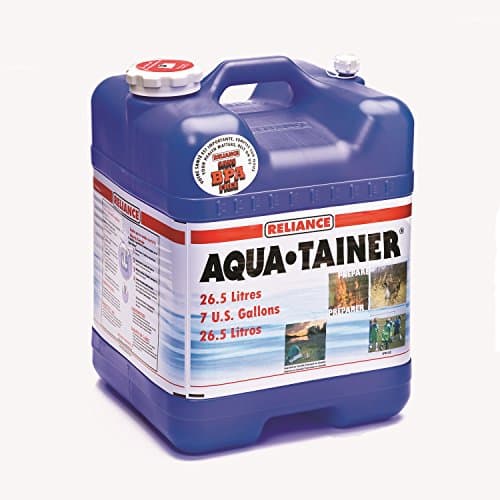
Whatever type you have, a conventional tank holds 40 to 80 gallons of potable water with a drain valve at the base. That is days of drinking water for a household, already in the building.
To use it: turn off the power or gas to the heater first, because draining a tank with the element still energized destroys it. Shut the cold inlet. Open a hot tap somewhere in the house to let air in, or nothing will flow. Sediment makes the first gallon unpleasant.
This is worth knowing before you need it, and it is the single most useful thing on this page for anyone on a well.
What an electric heater actually costs to run
A residential electric tank uses 4,500W elements at 240V. Reheating a cold 50-gallon tank is roughly 12 kilowatt-hours of energy.
| Source | Can it supply 4,500 W at 240 V? | Practical result |
|---|
| 1,000Wh power station | No — 120V only | Nothing |
|---|
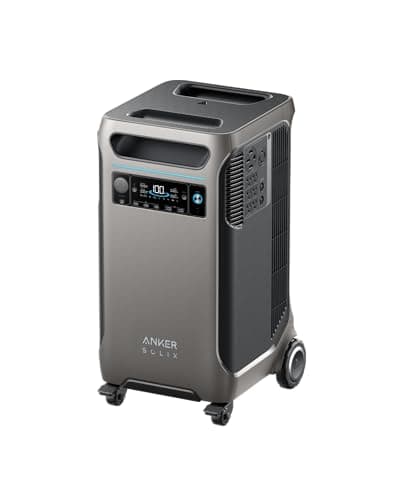
| 3,840Wh split-phase battery | Yes | About 43 minutes of element time, most of the pack |
|---|
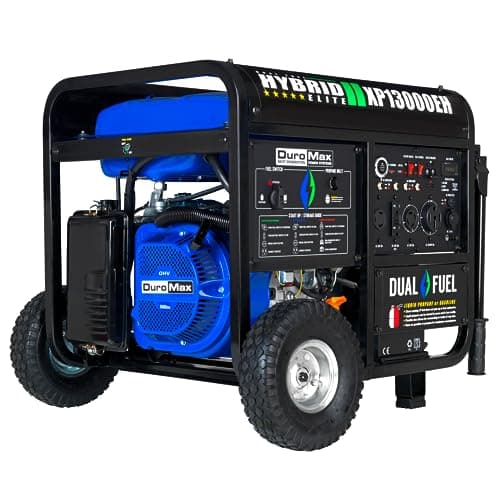
| 5,000W generator | Marginal — one element, nothing else | Works, with everything else switched off |
|---|
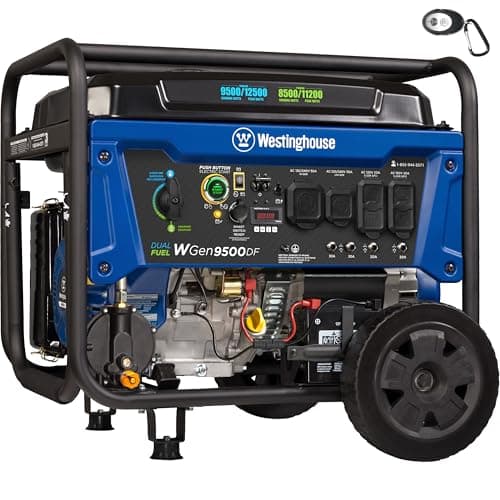
| 7,500W generator | Yes | Comfortable, with a little else running |
|---|
| 10,500W generator | Yes | Water heater plus the rest of the critical list |
|---|
Battery figure is 3,840 Wh x 0.85 / 4,500 W. Full-tank reheat energy is approximate and depends on tank size and incoming water temperature.
Note that the elements are usually staged so both do not run at once, which is why 4,500W rather than 9,000W is the figure that matters.
The honest recommendation
For almost everyone, do not back up the water heater.
A tank holds its heat for a day or more, so a typical outage costs you one cool shower rather than a crisis. Spending generator capacity — or battery capacity — on reheating water means not spending it on the refrigerator, the freezer, the furnace and the well pump, all of which matter more.
If you have a big enough generator that it costs you nothing to include the circuit, include it and run it in bursts. If you are choosing what to put on a limited transfer switch, the water heater should be near the bottom of the list. The whole-house sizing page covers where it falls against everything else.
Three things that stretch the hot water you have
- Insulate the tank if it is old and uninsulated. A jacket slows the cooldown measurably and costs very little.
- Do not run hot taps unnecessarily. Every gallon drawn is replaced with cold, which drops the tank temperature faster than standing heat loss does.
- Heat water on a stove for washing. A propane camp stove boils a pot far more efficiently than reheating fifty gallons — the cooking page covers the options.
The short version
- Check the type first. A gas tank with a standing pilot needs nothing.
- Electric tanks are 4,500W at 240V and need a 7,500W machine to be comfortable.
- The tank holds 40-80 gallons of drinking water. That is the more valuable feature.
- Put it last on the transfer switch. Almost everything else matters more.