Skip to content
Watt Warden

Outage Prep

Backup Power for a Home With Electric Heat

If your heat is electric, the honest answer is that you are not going to back it up. The useful question is what to do instead, and it has a good answer.

By Sawyer V.Updated Published How we work this out
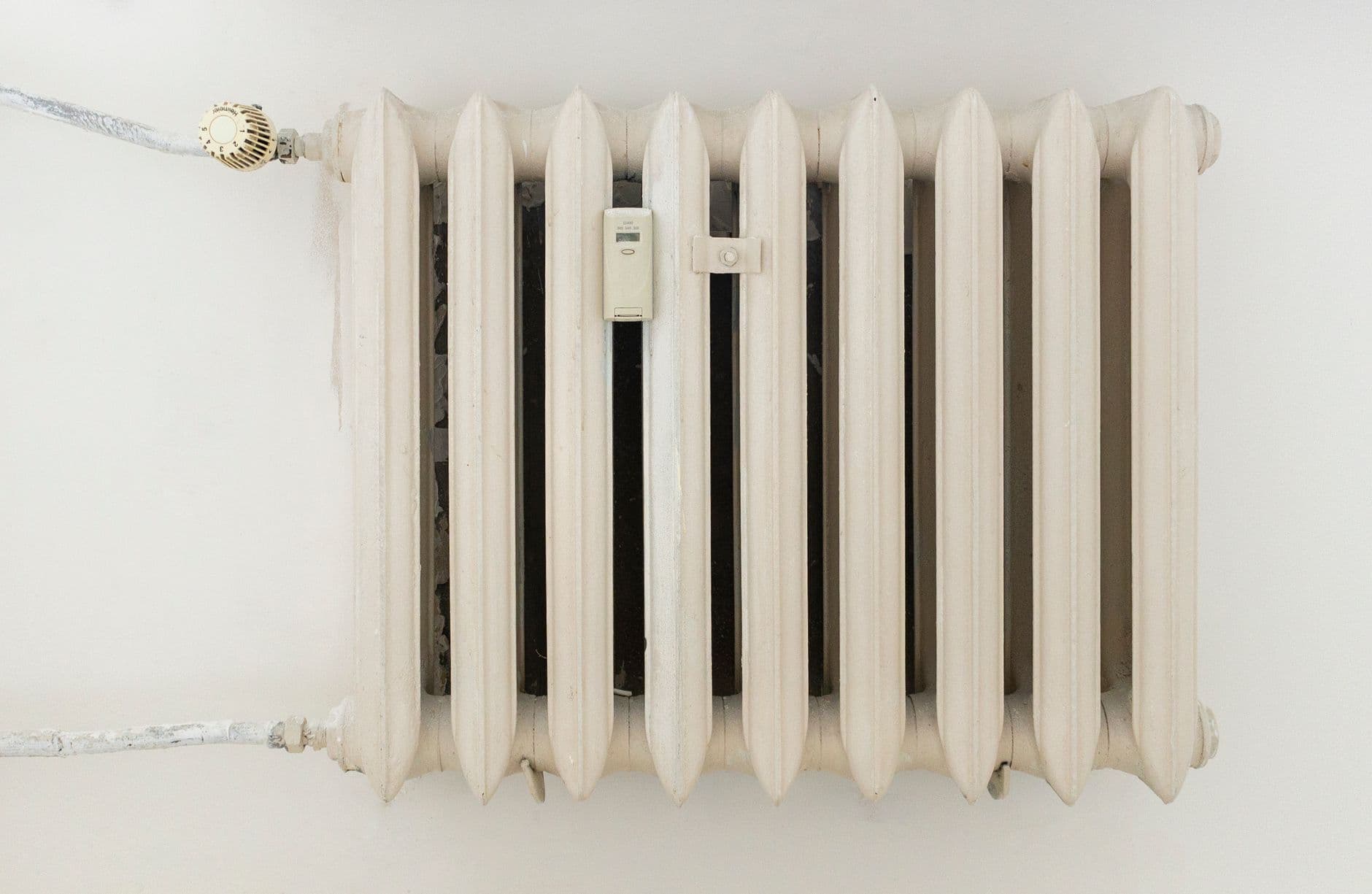
A white metal radiator on a plain wall.

Watt & Warden earns a commission on qualifying purchases made through links on this page, at no extra cost to you. It never changes a ranking, and our picks include products we tell you to skip. Full disclosure.

Why electric heat is different

Every other household load is measured in hundreds of watts. Electric heating is measured in kilowatts, and it runs for hours rather than minutes.

Heat sourceTypical drawBacked up by a battery?
Gas furnace blower300-600 WYes — this is the easy case
One baseboard heater750-1,500 WUnder two hours from 2kWh. Not a plan
Whole-house baseboard, several rooms4,000-10,000 WNo
Heat pump, mild weather1,500-3,500 WNo — generator territory
Electric furnace with strip heat10,000-20,000 WNo, and often not a portable generator either

Space heater and furnace figures come from the appliance wattage chart; your own equipment states its rating on the nameplate, and for electric heat that number is worth reading before you plan anything.

The row that matters is the last one. An electric furnace is frequently the single largest load in the house — larger than the range, larger than the water heater — and backing it up is a project most households should decline.

The arithmetic, stated plainly

A 1,500W space heater running from a 2,000Wh battery at 85% inverter efficiency lasts about 68 minutes. Scale that up: keeping a small house at temperature through a 12-hour winter outage with electric heat needs tens of kilowatt-hours, which is a home-battery-and-solar installation, not a portable.

Fuel, by contrast, carries enormous energy density. One propane cylinder delivers more heat than any portable battery on this site holds — the space heater page works through why resistive heating and batteries are a bad match.

The plan that actually works

  1. Take heating off the electrical plan. Propane radiant heat, a wood stove if you have one, or relocating for the night.
  2. Put the battery on the small stuff: refrigerator, internet, phones, lights, a CPAP. That list is a few hundred watts and a 2kWh unit covers it overnight.
  3. Heat one room, not the house. Close doors, block drafts, and accept that the rest of the house gets cold — staying warm without power covers the technique.
  4. Protect the plumbing. In a house with electric heat and no alternative, freezing pipes become the real risk past a day. Know where the stop valve is and how to drain the system.
  5. Have a CO alarm with battery backup before any of this starts.

If you want to back up the heat anyway

It is possible for heat pumps and partial baseboard coverage, and it means a generator rather than a battery. Three honest requirements:

  • Size against the nameplate, including any auxiliary strip heat that engages in cold weather — that is the figure that catches people out.
  • 240V and a transfer switch, since heating circuits are hardwired — the connection guide covers it.
  • A fuel plan for days, not hours. Heating loads burn fuel fast, and a three-day cold snap is a lot of gasoline.

At that point a standby installation on natural gas often makes more sense than a portable — the standby sizing page covers what that looks like.

The short version

  • Electric heat is kilowatts, not watts. Batteries cannot carry it.
  • A 1,500W heater empties a 2kWh battery in about an hour.
  • Get warmth from propane and keep the battery for the fridge, internet and lights.
  • Backing up a heat pump means a generator, 240V and a transfer switch.
  • A CO alarm with battery backup comes before any combustion heat indoors.

Quick picks

#ProductBest forPrice
1
Mr. Heater MH9BX Portable Buddy

The heat that does not need the grid

Mr. Heater MH9BX Portable Buddy

A portable propane radiant heater — warmth with no electricity at all.

Keeping one room warm through an outage
$89.97 · Check price on Amazon

#ad how this is funded · price as of October 21, 2026

2
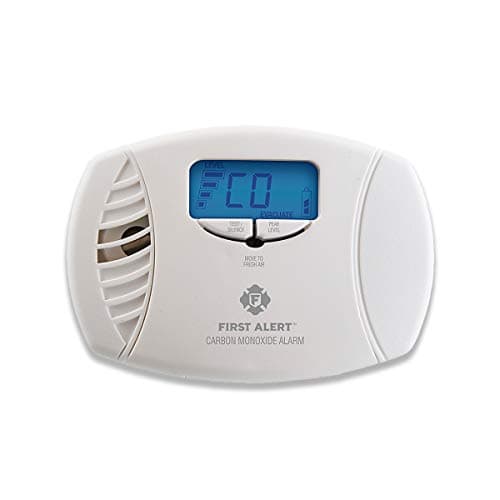
First Alert CO615 CO alarm

Non-negotiable alongside it

First Alert CO615 CO alarm

A mains carbon monoxide alarm with battery backup.

Any household burning fuel indoors
$44.95 · Check price on Amazon

#ad how this is funded · price as of October 21, 2026

3
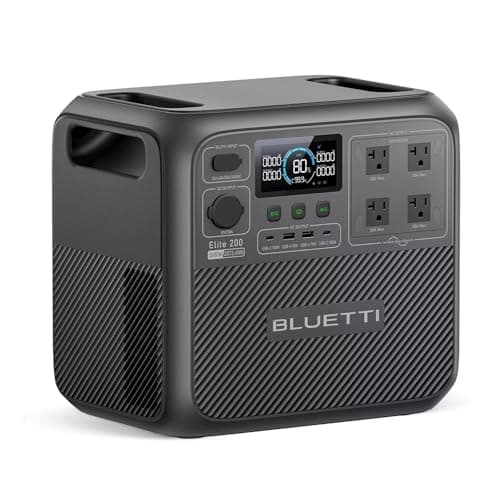
BLUETTI Elite 200 V2

For everything that is not heat

BLUETTI Elite 200 V2

2,073.6Wh and 2,600W continuous with a 6,000+ cycle rating.

Fridge, internet, lights and device charging
$1,399.00 · Check price on Amazon

#ad how this is funded · price as of October 21, 2026

4
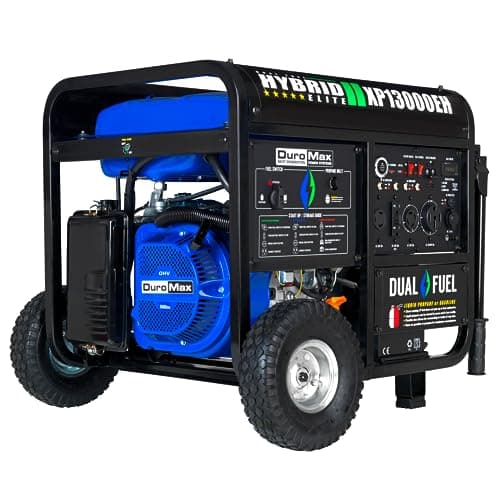
DuroMax XP13000EH

If you insist on electric heat

DuroMax XP13000EH

13,000 running watts from a 500cc engine with a 50A transfer-switch outlet.

A heat pump or partial baseboard backup
$1,299.00 · Check price on Amazon

#ad how this is funded · price as of October 21, 2026 · $1,499.00 13% off

Prices come from the retailer at page-build time and change constantly. Where no live price is available the button reads “Check price” rather than showing a number we cannot stand behind.

The picks in full

01 — The heat that does not need the grid

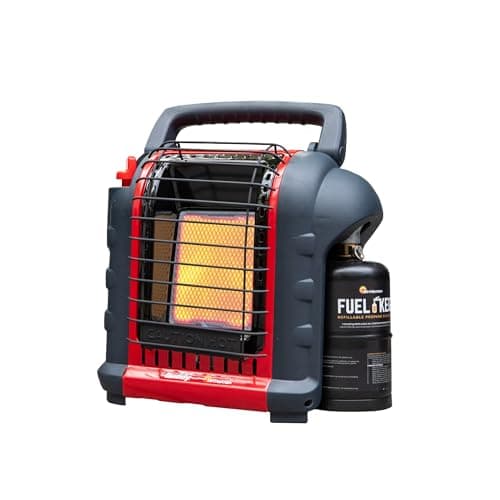
Mr. Heater MH9BX Portable Buddy

A portable propane radiant heater — warmth with no electricity at all.

This is the practical answer for a house with electric heat. One room, one heater, one cylinder, and the electrical plan stops being about heating altogether.

Radiant propane heat warms people directly rather than heating the whole volume of the house, which is exactly what you want.

The honest catch: ventilation and a working carbon monoxide alarm are not optional with any combustion appliance indoors.

Skip it ifyou cannot ventilate the room. Combustion indoors needs air.
Mr. Heater MH9BX Portable Buddy
$89.97 · Check price on Amazon

#ad how this is funded · price as of October 21, 2026

Published specifications for the Mr. Heater MH9BX Portable Buddy
SpecificationPublished figure
Output4,000 or 9,000 BTU, selectable
CoverageSpaces up to 225 sq ft
Fuel1 lb propane cylinder, or a remote supply with a hose and filter
Run timeAbout 3 h at 9,000 BTU, longer on low
Fuel use0.044 gal/h at 4,000 BTU, 0.099 gal/h at 9,000 BTU
SafetyOxygen depletion sensor, tip-over shut-off, pilot-out shut-off
IgnitionPiezo igniter, no battery or mains needed

Source: Mr. Heater — MH9BX Portable Buddy product page. These are the manufacturer's published figures, not ours — we have not tested this unit.

02 — Non-negotiable alongside it

First Alert CO615 CO alarm

A mains carbon monoxide alarm with battery backup.

Every winter, households switch to combustion heat during an outage and a proportion of them are poisoned by it. A CO alarm is the cheapest life-safety device in the house.

Battery backup matters specifically because the mains is out when the risk is highest.

The honest catch: alarms expire. Replace them on the date printed on the housing.

Skip it ifyou have working CO alarms already — check their date rather than assuming.

First Alert CO615 CO alarm
$44.95 · Check price on Amazon

#ad how this is funded · price as of October 21, 2026

Published specifications for the First Alert CO615 CO alarm
SpecificationPublished figure
SensorElectrochemical
Power120 V AC plug-in with AA battery backup
DisplayBacklit digital ppm readout
Alarm85 dB at 10 ft
FeaturesPeak level memory, test/silence button
Warranty5-year limited

Source: First Alert — CO615 product page. These are the manufacturer's published figures, not ours — we have not tested this unit.

03 — For everything that is not heat

BLUETTI Elite 200 V2

2,073.6Wh and 2,600W continuous with a 6,000+ cycle rating.

With heating handled by propane, the electrical requirement collapses to a few hundred watts — and a 2kWh battery covers that overnight in silence.

2,600W of output also starts a sump pump, which winter thaws make relevant.

The honest catch: keep it indoors in winter; lithium cells must not be charged below freezing.

Skip it ifyou expect it to run a heater. It will do so for well under two hours.

BLUETTI Elite 200 V2
$1,399.00 · Check price on Amazon

#ad how this is funded · price as of October 21, 2026

Published specifications for the BLUETTI Elite 200 V2
SpecificationPublished figure
Usable capacity2,073.6 Wh
Cell chemistryAutomotive-grade LiFePO4 (LFP)
AC output2,600 W continuous / 3,900 W power lifting
Cycle life6,000+ cycles
Fast charge0–80% in 50 min via dual AC/DC input

Source: BLUETTI — Elite 200 V2 product specifications. These are the manufacturer's published figures, not ours — we have not tested this unit.

04 — If you insist on electric heat

DuroMax XP13000EH

13,000 running watts from a 500cc engine with a 50A transfer-switch outlet.

Thirteen kilowatts is the class that can run a heat pump or a couple of baseboard circuits through a transfer switch, and it is a serious purchase with serious fuel demands.

An electric furnace with strip heat can draw far more than this, so check the nameplate before assuming.

The honest catch: fuel burn at that output is heavy, and this machine is loud.

Skip it ifyou are backing up a whole electric furnace. Even this will not do that.

DuroMax XP13000EH
$1,299.00 · Check price on Amazon

#ad how this is funded · price as of October 21, 2026 · $1,499.00 13% off

Published specifications for the DuroMax XP13000EH
SpecificationPublished figure
Output13,000 running W / 16,000 peak W
FuelGasoline or propane (dual fuel)
Engine500cc OHV DuroMax
Transfer-switch outlet50 A
FrameAll-metal, no plastic panels
SafetyLow-oil shutoff; 5 ft propane hose with ACME connector

Source: DuroMax — XP13000EH product specifications. These are the manufacturer's published figures, not ours — we have not tested this unit.

How these were chosen

We did not test these. Nobody at Watt & Warden has plugged one in. What we did instead: read the manufacturer's published specifications, compile them into a table where the figures line up, and compute the numbers manufacturers leave out — runtime against a real appliance load, and what an hour of running actually costs.

Anything that could not be sourced was left out rather than estimated, and every pick names the buyer who should skip it. The full method is here, including where it is weaker than a publisher with a test bench.

Questions people actually ask

Can a power station run electric baseboard heat?

Only briefly. A single 1,500W baseboard heater empties a 2,000Wh battery in about 68 minutes at 85% inverter efficiency, and a whole house of baseboard draws 4,000 to 10,000W. Electric heating and portable batteries are fundamentally mismatched.

What size generator do I need for an electric furnace?

More than most portables deliver. An electric furnace with strip heat can draw 10,000 to 20,000W, which is at or beyond the top of the portable range and firmly in standby generator territory. Read your furnace's nameplate before planning -- the auxiliary heat rating is the number that decides it.

How do I stay warm in an outage if my heat is electric?

Take heating off the electrical plan entirely. Propane radiant heat with ventilation and a working CO alarm, one room heated rather than the house, doors closed and drafts blocked. Keep the battery for the refrigerator, internet and lights, which together draw a few hundred watts.

Can a generator run a heat pump?

A large one can. A heat pump in mild weather draws 1,500 to 3,500W running, with a substantial starting surge, so a 9,500W or larger machine connected through a transfer switch is the realistic class. Cold-weather auxiliary strip heat changes the arithmetic sharply, so size against the nameplate.

What about freezing pipes?

In a house with electric heat and no backup for it, frozen plumbing becomes the main risk past about a day of deep cold. Know where your main stop valve is, learn how to drain the system, keep cabinet doors open so warmer air reaches pipes on exterior walls, and consider leaving a trickle running.

Sources

Every figure on this page comes from a published source. We have not tested this equipment, so the specifications are the manufacturer's and the statistics are the dataset's — the arithmetic on top of them is ours, and it is shown in full so you can check it. How we work this out.