The verdict, in one paragraph
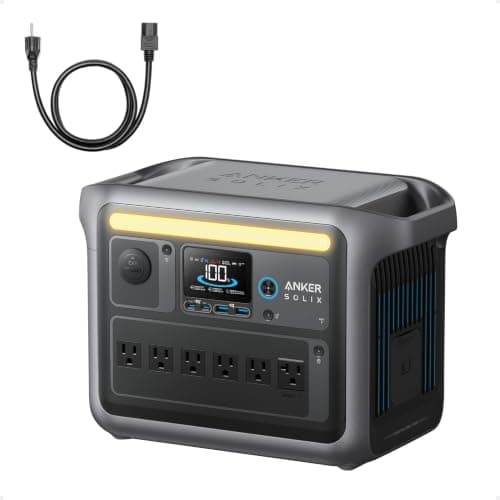
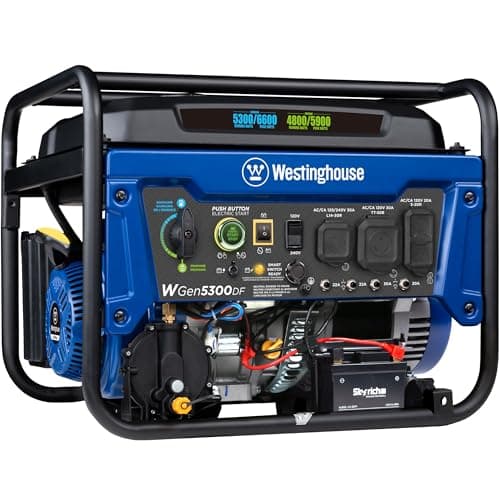
For a small home in 2026, the cheapest useful backup power is a mid-size portable power station — around a kilowatt-hour behind an 1,800W inverter, bought outright, installed by nobody. The cheapest per watt is a dual-fuel portable generator with a manual transfer switch, and it is the only option that survives a multi-day outage, but its true cost includes the switch, the fuel, the service and somewhere safe to run it. The most expensive option by a wide margin is an installed home battery: EnergySage's 2026 marketplace data puts the average at $1,159 per kWh, or $15,647 installed for 13.5 kWh, and the federal residential clean energy credit is not available for property placed in service after 31 December 2025 — which removes 30% that used to make the math work. A standby generator sits in the same bracket. For a small home, that ranking is unusually clear.
What the published cost data says
| Option | Published cost reference | Needs an electrician? | Lasts how long? |
|---|
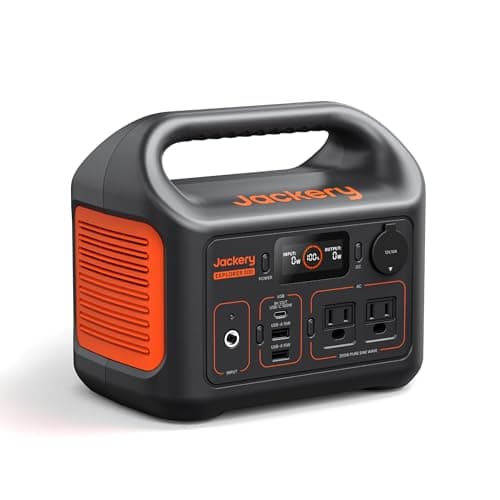
| Small power station (around 300Wh) | Retail — live price in the buy button above | No | A night of devices and lights |
|---|
| Mid power station (around 1,000Wh) | Retail — live price in the buy button above | Only if you want hardwired circuits | An evening of fridge and furnace |
|---|
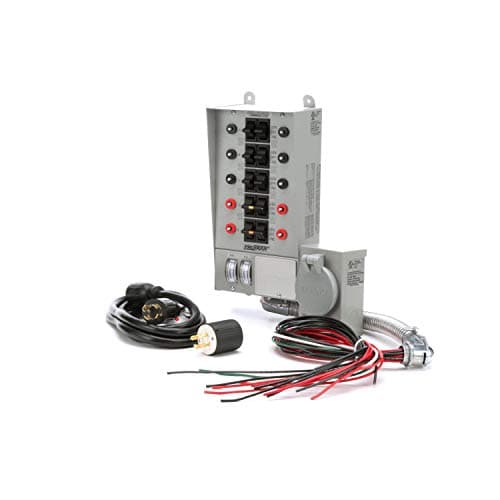
| Portable generator + manual transfer switch | Retail for both, plus permitted install labor | Yes, for the switch | As long as you have fuel |
|---|
| Installed home battery | $1,159/kWh average; $15,647 for 13.5 kWh (EnergySage, 2026) | Yes | Hours to a day, then it needs sun or grid |
|---|
| Whole-home battery backup | About $34,000 (EnergySage, 2026) | Yes | Hours to a day, then it needs sun or grid |
|---|
Installed-cost figures are EnergySage's published 2026 marketplace data, cited under Sources. Hardware prices are deliberately not printed here — they move weekly, and the live figure sits inside each buy button above with the date it was refreshed.
The thing that changed in 2026
Until recently, the installed-battery route carried a 30% federal credit, and that credit was doing most of the work in every “is it worth it” calculation. The IRS now states that the Residential Clean Energy Credit applies to qualified property installed “anytime from 2022 through December 31, 2025” and that “the credit is not available for any property placed in service after December 31, 2025”.
For a small home, removing 30% from the most expensive option does not change the ranking — it widens it. A $15,647 system was about $10,950 after the credit; now it is $15,647. EnergySage notes that while the federal credit is no longer available for residential batteries, many states and utilities offer their own incentives, so the local picture is worth checking before you write the option off entirely.
What $10,000 buys at the EnergySage average
At the published average of $1,159 per kWh installed, ten thousand dollars is roughly 8.6 kWh — our arithmetic from their figure, not theirs. The spread by state is wide: EnergySage publishes Alabama at $563/kWh, which puts a 13.5 kWh system at $7,601, and Tennessee at $720/kWh for $9,720. Most states are higher.
That is the honest comparison for a small home: an installed system that covers part of the house for part of a day, against a portable machine you can buy this afternoon that will run the same loads for as long as you can buy fuel. What a home battery under $10,000 actually gets you goes through that band in detail.
Cost per useful hour, which is the real measure
“Cheapest” on a sticker and “cheapest” per hour of power delivered are different rankings, and for a small home the gap between them is large.
- A generator never runs out, so its cost per hour falls the longer the outage lasts. Over a three-day event nothing competes with it.
- A battery has a fixed number of hours in it, and then the cost per hour is infinite until the sun comes up or the grid returns.
- A power station's advantage is that it is used. A machine in a shed with stale fuel delivers nothing; a battery in a cupboard works on the first flicker.
- Installed systems carry a cost even when nothing happens — the capital is spent whether or not the power ever fails.
What “small home” changes about the answer
Smaller houses tend to have smaller services, fewer 240V loads and shorter runs, and all three push the answer towards portable equipment. A 5,300W dual-fuel machine covers a small house comfortably where it would be marginal in a large one — the best generators for a small house is the product-selection version of that question.
The exceptions are the loads that do not care about the size of the house:
- A well pump. 240V, a large starting draw, and non-negotiable if there is no municipal water — well pump power draw.
- Electric heat. A resistance load in the kilowatts, which no portable battery solves — backup power with electric heat.
- Medical equipment. Where the requirement is reliability rather than cost, and the cheapest option is not the right one — backup power for medical devices.
The cheapest thing of all, which costs nothing
Before any of this: a full freezer stays cold longer than an empty one, a refrigerator left shut holds for hours, and a house that has been heated holds heat for most of a day if nobody opens the doors. None of that costs anything and all of it buys time — what to do when the power goes out is the free version of this page.
Most American outages are short. If yours are, the honest answer may be that the cheapest backup power for your small home is a lantern, a weather radio and a plan — and the battery is a comfort purchase rather than a necessary one.
The short version
Cheapest useful: a kilowatt-hour power station, bought outright. Cheapest per watt and the only multi-day answer: a dual-fuel portable generator plus a manual transfer switch, remembering that the switch is permitted electrician work. Most expensive, and more so since the federal credit ended on 31 December 2025: an installed home battery at a published 2026 average of $1,159 per kWh. For a small home, buy the battery you will actually use before you buy the system somebody has to install.