Skip to content
Watt Warden

Solar

Flexible vs Rigid Solar Panels

Flexible panels solve a shape problem that rigid panels genuinely cannot. They pay for it in lifespan, and being honest about that is the whole comparison.

By Sawyer V.Updated Published How we work this out
A thin flexible solar panel on a curved surface.

Watt & Warden earns a commission on qualifying purchases made through links on this page, at no extra cost to you. It never changes a ranking, and our picks include products we tell you to skip. Full disclosure.

Quick picks

#ProductBest forPrice
1
No photo

Best flexible panel

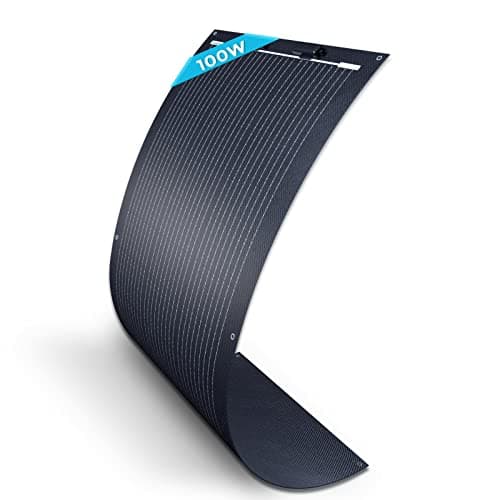
Renogy 100W flexible solar panel

100W at about 4 lb and 0.1 in thick, bending to 240 degrees, IP67 junction box.

A curved roof that cannot take a frame
2
No photo

Best rigid panel

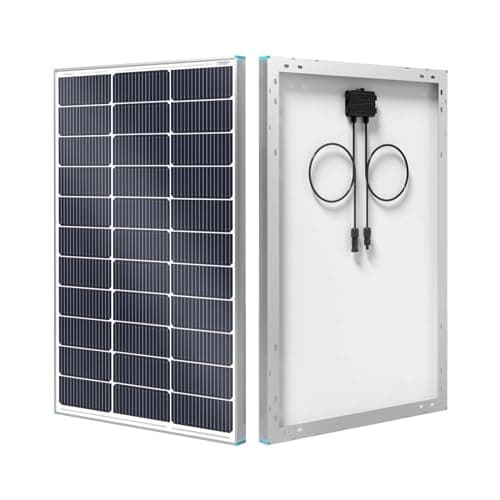
Renogy 100W 12V Monocrystalline Solar Panel

Rigid 100W 12V with a pre-drilled aluminum frame, IP67, and −0.29%/°C.

Anything with a flat surface and a decade in mind
3
No photo

The middle option people miss

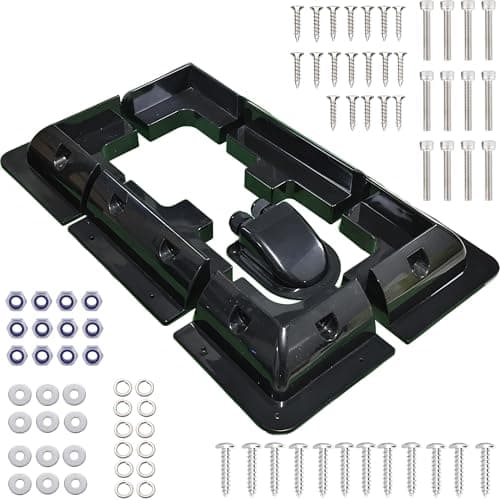
Renogy drill-free corner mounting brackets

Drill-free corner mounts bonded to flat aluminum, wood or GRP.

A rigid panel on a roof you do not want to drill
4
No photo

The conventional mount

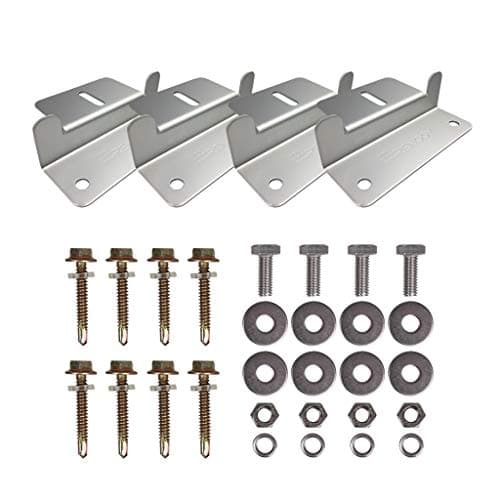
Renogy solar panel Z mounting brackets

Four aluminum brackets with stainless screws, for 50W to 150W framed panels.

A shed, cabin or garage roof

Prices come from the retailer at page-build time and change constantly. Where no live price is available the button reads “Check price” rather than showing a number we cannot stand behind.

What each one is

A rigid panel is cells laminated behind tempered glass in an aluminum frame. The frame provides structure, mounting points and edge protection; the glass protects the cells and lasts decades outdoors.

A flexible panel is cells laminated between polymer layers with no frame and no glass. It bends, it weighs a fraction as much, and it is a tenth of an inch thick.

The two solve different problems, and the mistake is treating flexible as a lighter version of rigid rather than as a different product.

The comparison

FlexibleRigid
Weight, 100WAbout 4 lbRoughly 16 lb
Thickness0.1 inAn inch or more with the frame
Curved surfacesYes — up to 240 degrees of bendNo
MountingBonded, or grommetsBolted through a frame, or bonded corner mounts
Service lifeShorter — polymer front, no frameLong — glass front, protected edges
HeatWorse — flush mounting traps itBetter — an air gap under the frame
Price per wattHigherLower
Wind profileVery lowHigher — the frame stands proud
RepairabilityBonded panels are difficult to removeUnbolt and replace

Flexible figures are Renogy's published specifications for its 100W flexible panel. The rigid weight is a typical figure for a framed 100W panel rather than a specific product. Service life and heat rows describe the general behavior of each construction, not a measured comparison — we have not tested either.

Why flexible panels last less well

Three mechanisms, and they compound.

1. The front surface is polymer, not glass. Polymer is vulnerable to UV degradation, abrasion and hazing over years of exposure. Glass is not. This is the largest of the three.

2. Flexing stresses the cells. Silicon cells are brittle. Repeated flexing — from thermal movement, from vehicle motion, from the surface underneath — creates micro-cracks that reduce output gradually. Bending it to install and leaving it is fine; a panel that flexes daily is not.

3. Flush mounting traps heat. A framed panel sits with an air gap underneath and convection carries heat away. A flexible panel bonded directly to a roof has nowhere to shed it, so it runs hotter — and panels lose output as they heat. Renogy publishes −0.29% per °C for its rigid panel, and that coefficient applies to the flexible one too.

The heat effect is worth understanding because it costs you output every day, not just at end of life.

When flexible is genuinely the right choice

  • A curved surface. A boat cabin top, a van roof, an Airstream. A rigid panel cannot follow it and that is the end of the discussion.
  • Weight high up matters. On a small boat or a tall van, 12 lb of difference per panel is real.
  • Wind profile matters. A flush panel presents almost nothing to the airflow, which matters at highway speed and in a storm.
  • Appearance matters. A flush black panel is far less visually intrusive than a framed one standing proud.
  • You genuinely cannot make a penetration and cannot bond a corner mount either.

When rigid is the right choice

  • Any flat surface. Shed, cabin, garage, ground mount, a flat RV roof.
  • Anything permanent. If it is going up for a decade, buy the construction that lasts one.
  • Anywhere you want an air gap. Cooler cells produce more for longer.
  • Price per watt matters. Rigid is cheaper.
  • You want to be able to replace one panel later. Bolted comes off; bonded largely does not.

The option people skip

The most common reason for choosing flexible is not curvature — it is not wanting to drill the roof.

On a flat surface that is a solvable problem. Bonded corner mounts hold a rigid framed panel with no penetration at all, giving you glass construction, an air gap, and no hole to leak.

If your surface is flat and your objection is drilling, that is usually the better answer than a flexible panel bonded directly down. RV mounting covers both approaches.

Installing a flexible panel well

If flexible is genuinely right for your surface, a few things extend its life materially:

  • Create an air gap if you possibly can. Thin spacers or adhesive strips rather than a continuous bond let some air move underneath. This is the single most valuable thing you can do.
  • Prepare the surface properly. A bonded mount is only as good as the preparation — follow the adhesive manufacturer's instructions and do it warm and dry.
  • Do not walk on it. Flexible does not mean load-bearing.
  • Keep it out of standing water. IP67 protects the junction box, not a permanently submerged laminate edge.
  • Do not exceed the bend rating. 240 degrees is a specification, not an invitation.
  • Route and secure the cables. Cable entry is a common failure point, and a trailing lead on a moving vehicle will find it.

Panel care generally covers cleaning, which matters more on a polymer surface than on glass — scratches are permanent.

The short version

Flexible solves a shape problem. If your surface is curved, or weight high up is a real constraint, it is the only option and a good one.

Rigid solves everything else better. Longer life, cooler running, cheaper per watt, replaceable.

And if the obstacle is drilling rather than curvature, bonded corner mounts get you a rigid panel with no holes — which is the answer more people should reach for than do.

The picks in full

01Best flexible panel

Renogy 100W flexible solar panel

100W at about 4 lb and 0.1 in thick, bending to 240 degrees, IP67 junction box.

The numbers that define the category: about 4 lb against roughly 16 for a rigid 100W panel, a tenth of an inch thick, and 240 degrees of bend.

Half-cut PERC cells and a 5,400 Pa snow rating are better than flexible panels used to be. Load ratings on a bonded panel depend entirely on what it is bonded to, so treat them as the panel's capability rather than the installation's.

The honest caveat: flexible panels generally have shorter service lives than framed ones, for the reasons below.

Skip it ifyou have a flat surface that will take a framed panel. Rigid lasts longer.

Published specifications for the Renogy 100W flexible solar panel
SpecificationPublished figure
Rated output100 W, 12 V
FlexBends up to 240 degrees
Thickness0.1 in
Weightabout 4 lb — roughly a quarter of a rigid 100W panel
CellsHalf-cut PERC monocrystalline
Ingress ratingIP67 junction box and connectors
Load rating5,400 Pa snow, 2,400 Pa wind

Source: Renogy — 100W flexible solar panel listing. These are the manufacturer's published figures, not ours — we have not tested this unit.

02Best rigid panel

Renogy 100W 12V Monocrystalline Solar Panel

Rigid 100W 12V with a pre-drilled aluminum frame, IP67, and −0.29%/°C.

Where a rigid panel fits, it is the better purchase — cheaper per watt, longer-lived, and with a frame designed to be bolted down and forgotten.

The corrosion-resistant frame and the glass front are what allow a multi-decade service life outdoors, which is the thing flexible construction gives up.

Skip it ifthe mounting surface is curved, or weight high up is a real constraint.

Published specifications for the Renogy 100W 12V Monocrystalline Solar Panel
SpecificationPublished figure
Rated output100 W, 12 V
Cell typeN-type monocrystalline, 16BB
Conversion efficiencyUp to 25%
Ingress ratingIP67
Temperature coefficient-0.29% per °C
FrameCorrosion-resistant aluminum, pre-drilled

Source: Renogy — 100W 12V monocrystalline panel published specifications. These are the manufacturer's published figures, not ours — we have not tested this unit.

03The middle option people miss

Renogy drill-free corner mounting brackets

Drill-free corner mounts bonded to flat aluminum, wood or GRP.

Worth naming because "I cannot drill the roof" is often the reason people choose flexible, and it is a solvable problem on a flat surface.

Bonded corner mounts give you a rigid panel with no penetration — which is usually a better outcome than a flexible panel bonded directly.

Skip it ifthe surface is genuinely curved. Then flexible is the answer.

Published specifications for the Renogy drill-free corner mounting brackets
SpecificationPublished figure
Size5.9 x 5.9 x 2.3 in per bracket
MountingDrill-free — bonded to the roof surface
SurfacesFlat aluminum, wood or GRP
Best forRV and boat roofs where a penetration is unwelcome

Source: Renogy — drill-free corner bracket listing. These are the manufacturer's published figures, not ours — we have not tested this unit.

04The conventional mount

Renogy solar panel Z mounting brackets

Four aluminum brackets with stainless screws, for 50W to 150W framed panels.

Through-bolted, which is stronger than bonding and needs proper sealing. On a shed or cabin roof this is the straightforward answer and it lasts as long as the panel.

Skip it ifyou cannot make a penetration, or the surface is curved.

Published specifications for the Renogy solar panel Z mounting brackets
SpecificationPublished figure
Set4 brackets — one panel
MaterialEtched aluminum alloy with stainless steel screws
Suits50 W to 150 W framed panels
Above 150 WRenogy specifies two sets per panel
MountingThrough-bolt — requires drilling and sealing

Source: Renogy — solar panel mounting Z bracket set of 4. These are the manufacturer's published figures, not ours — we have not tested this unit.

How these were chosen

We did not test these. Nobody at Watt & Warden has plugged one in. What we did instead: read the manufacturer's published specifications, compile them into a table where the figures line up, and compute the numbers manufacturers leave out — runtime against a real appliance load, and what an hour of running actually costs.

Anything that could not be sourced was left out rather than estimated, and every pick names the buyer who should skip it. The full method is here, including where it is weaker than a publisher with a test bench.

Questions people actually ask

What is the difference between flexible and rigid solar panels?

A rigid panel is cells behind tempered glass in an aluminum frame; a flexible panel is cells laminated between polymer layers with no frame and no glass. Renogy's 100W flexible panel is about 4 lb and a tenth of an inch thick, bending to 240 degrees, against roughly 16 lb for a framed equivalent.

Do flexible solar panels last as long as rigid ones?

Generally no, for three compounding reasons. The polymer front degrades under UV where glass does not; repeated flexing creates micro-cracks in brittle silicon cells; and flush mounting traps heat, which costs output daily as well as shortening life. A framed panel sits with an air gap that carries heat away.

When should I choose a flexible solar panel?

When the surface is curved and a rigid panel simply cannot follow it -- a boat cabin top, a van roof, an Airstream. Also when weight high up is a real constraint, when wind profile matters at highway speed, or when appearance does. Otherwise rigid is better on every axis.

Can I mount a rigid solar panel without drilling?

Yes, with bonded corner mounts, and it is the option most people miss. If your objection to rigid is drilling rather than curvature, bonded mounts give you glass construction, an air gap and no penetration -- usually a better outcome than a flexible panel bonded directly to the surface.

How do I make a flexible solar panel last longer?

Create an air gap if you possibly can -- thin spacers rather than a continuous bond let some air move underneath, and heat is the main enemy. Prepare the bonding surface properly, never walk on it, keep it out of standing water, do not exceed the bend rating, and secure the cables at the entry point.

Sources

Every figure on this page comes from a published source. We have not tested this equipment, so the specifications are the manufacturer's and the statistics are the dataset's — the arithmetic on top of them is ours, and it is shown in full so you can check it. How we work this out.