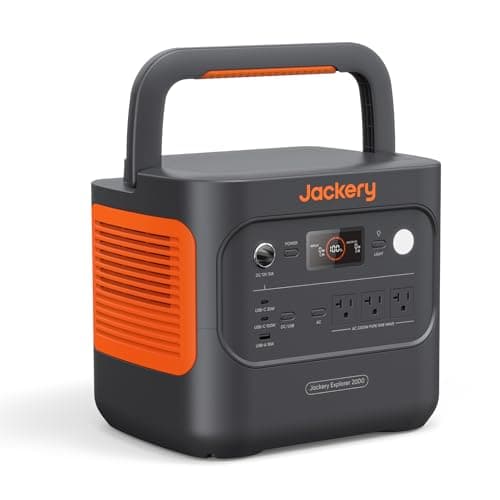
Yes — because it is not really a generator
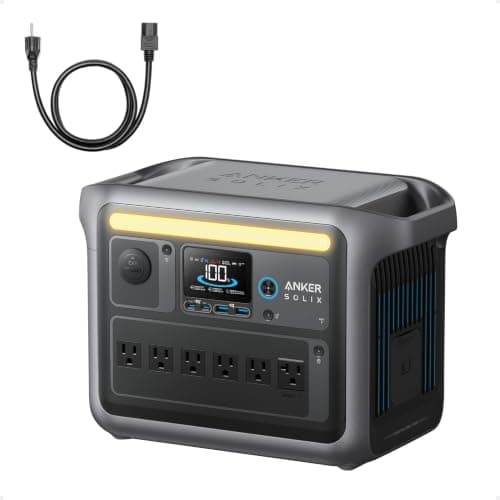
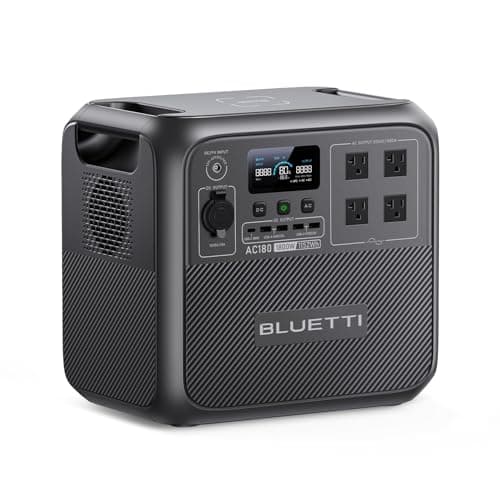
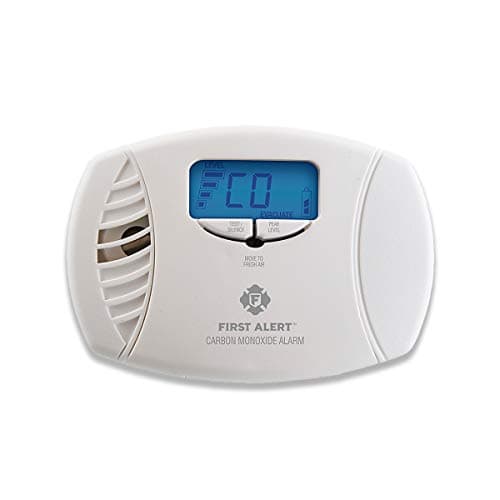
A "solar generator" is a battery, an inverter and a charge controller in a box. Nothing burns, nothing is exhausted, and there is no carbon monoxide. It is electrically no different from a large uninterruptible power supply, and nobody worries about running one of those in an office.
That is the whole answer, and it is worth stating clearly because the shared word causes genuine danger in the other direction: people assume a gas generator is similarly harmless in a garage. It is not. Engine-driven generators must stay outdoors, well away from windows, always, with no exceptions for open doors or brief use.
The four practical indoor questions
1. Heat and ventilation
A battery under load and a battery charging quickly both produce heat, and both run fans to shift it. That is not a safety problem in a normal room, but it does mean a station wants clear air around it.
- Leave a few inches on all sides, especially at the vents.
- Do not run it inside a sealed closet, a cabinet or a drawer under load.
- Keep it off soft surfaces like a bed or a sofa, which block the intake.
- Manufacturers publish operating temperature ranges; a hot attic in summer can sit outside them.
2. Noise
Batteries are near-silent at rest and audible under load or during fast charging, because of the fans. The practical figures: Jackery publishes a silent charging mode under 30dB on the Explorer 2000 v2, and the EcoFlow DELTA 2 Max publishes noise as low as 30dB. For comparison, a portable gas generator is a different order of magnitude — even the quietest inverter machines publish figures in the high forties to high fifties.
If the unit will live in a bedroom, buy on the published noise figure and charge it on the slower setting overnight.
3. Water and weather
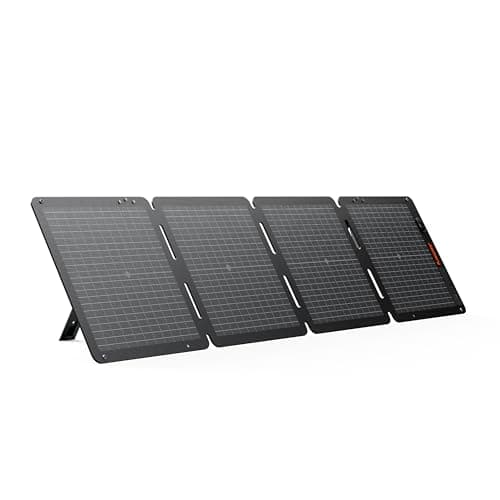
Panels are weather-rated; power stations generally are not. Jackery's SolarSaga 100W Air is IP68, and that rating belongs to the panel alone.
So the normal arrangement is: panels outside, station inside, cable through a window, a vent or a door gap. If the station has to be outdoors, it needs real cover — not a tarp resting on it, which traps heat and condensation.
Do not leave connectors in standing water, and do not coil a wet cable into the house.
4. Using it while it charges
Nearly all modern stations support pass-through: charging the battery while powering loads at the same time. Units with a UPS function do it by design — that is exactly what a 20ms switchover implies.
Two caveats worth knowing. Simultaneous charge and discharge generates more heat, so ventilation matters more. And some manufacturers note that heavy continuous pass-through use is not the ideal way to treat the cells. Your manual is the authority for your unit; the charging guide covers the methods in general.
Where indoor use genuinely wins
| Situation | Gas generator | Battery |
|---|
| Apartment or condo | Not possible — nowhere safe to run it | The only option that works |
|---|
| Overnight medical equipment | Noise and fuel make it impractical | Silent, beside the bed |
|---|
| Storm with horizontal rain | Must still be outdoors and running | Indoors, unaffected |
|---|
| Multi-day outage | Runs as long as fuel lasts | Limited by capacity unless you have panels |
|---|
This is the trade in one table: batteries win on where and how you can use them, engines win on endurance. The full comparison works through the economics.
Storage between outages
Indoors is also the right place to store one, for reasons that have nothing to do with safety.
- Cold reduces usable capacity and charging lithium cells below freezing can damage them. An unheated garage in January is a poor home for a battery.
- Heat ages cells. An attic or a sunlit shed in summer is worse.
- Store partly charged, not full or empty, and top it up every few months. The storage guide has the detail.
The short version
- Yes, indoors, safely. No combustion, no exhaust, no carbon monoxide.
- Give it air. Not in a sealed cabinet, not on a bed.
- Panels outside, station inside. Panels carry the IP ratings; stations do not.
- Pass-through charging is normal, and it makes more heat.
- A gas generator is the opposite case entirely. Never indoors, never in a garage, no exceptions.