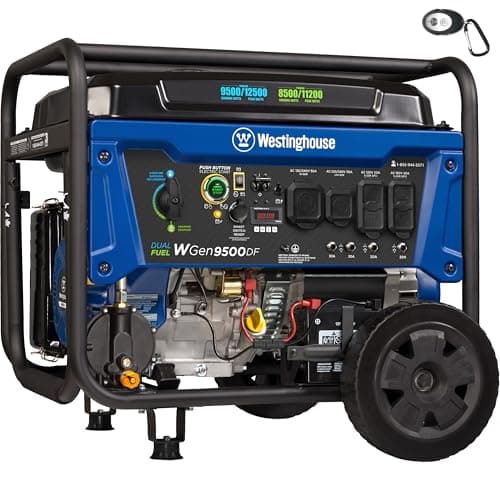
What open frame actually means
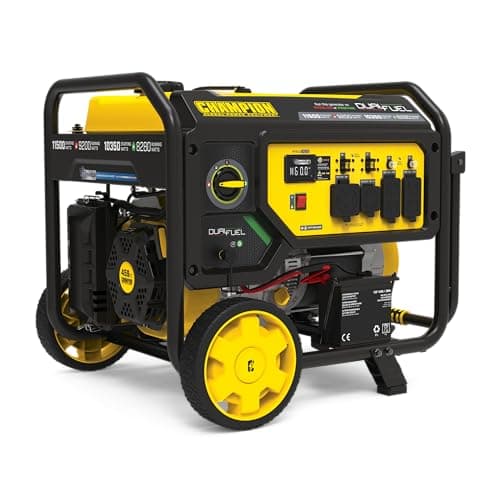
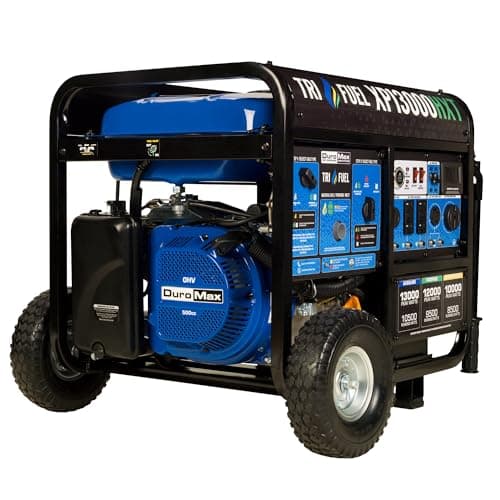
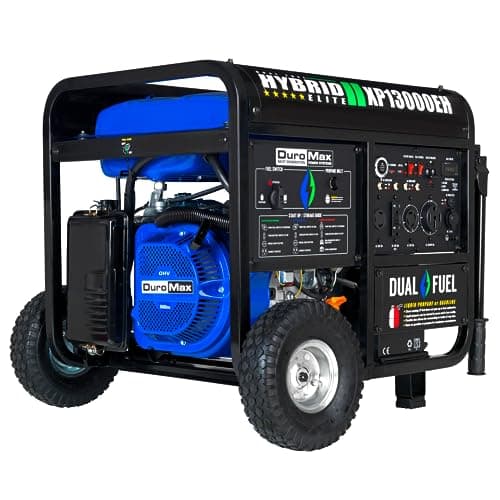
The engine and alternator are bolted to a tubular steel frame with nothing enclosing them. No acoustic housing, no plastic shell, no sound insulation. What you see is the machine.
That single design decision produces every characteristic of the category. Cooling is easy, so the engine can be large. Manufacturing is cheap, so the watts are cheap. Nothing absorbs sound, so it is loud. And the electrics are exposed, so weather is a real consideration.
The open versus closed frame comparison works through the physical trade in detail; this page is about which machine to buy once you have accepted it.
Why the biggest machines are all open frame
It is a heat problem. An enclosed generator has to move cooling air through a restricted space, and above a certain output that becomes the binding constraint on the design.
The result is a fairly clean split in the market.
| Output | What you find |
|---|
| Under 2,500 W | Almost entirely enclosed inverter units |
|---|
| 2,500-4,500 W | Both, with enclosed inverters dominating |
|---|
| 5,000-9,500 W | Mostly open frame, with a few large enclosed inverters |
|---|
| Above 9,500 W | Open frame, effectively without exception |
|---|
So if your load list needs seven or ten thousand watts, the choice has largely been made for you. The question becomes how to live with it.
Three things that make one liveable
1. Distance and orientation. Twenty feet from the house is the carbon monoxide requirement, and it happens to help enormously with noise. Point the exhaust away from your house and your neighbor's — the CO safety page is the one that matters most here.
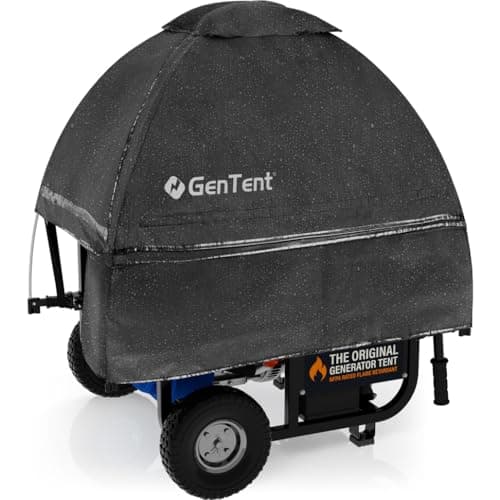
2. A running cover. Rain is what causes the outage, so the machine will be running in it. This is the accessory that decides whether you can use the generator on the day you bought it for.
3. Block running. An open frame machine at 3,600 rpm is loud whether it is carrying 500 watts or 5,000. Running four to six hours a day instead of continuously halves the noise complaint and cuts the fuel bill by two-thirds.
Waveform: the caveat worth knowing
A conventional generator produces AC directly from a spinning alternator, and the result can be some way from a clean sine wave. Cheap machines often publish no total harmonic distortion figure at all.
For motors, heating elements and lighting this does not matter. For laptops, televisions and modern appliance control boards it can. The practical answer is a surge protector between the machine and anything sensitive — the surge protection page covers what to look for, including the fault diagnostics that matter more than joule ratings on a temporary supply.
Maintenance is not optional at this size
Large conventional engines are simple and durable, and they are also the ones most likely to sit unused for a year and refuse to start.
The three things that matter: stabilized fuel or an empty carburetor, an oil change on schedule, and a monthly exercise run under load. The troubleshooting page exists mostly because these three get skipped.
The short version
- Above 5,000W the choice is largely made for you. Open frame is where the watts are.
- Check the outlet panel first. L14-30R or 14-50R decides whether it feeds a house.
- Budget a running cover. Exposed electrics plus a storm is the whole point of the purchase.
- Match the machine to the switch. A 30A switch caps you at 7,500W however big the generator is.