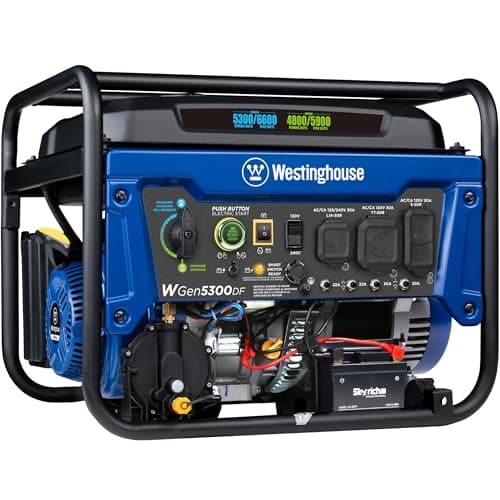
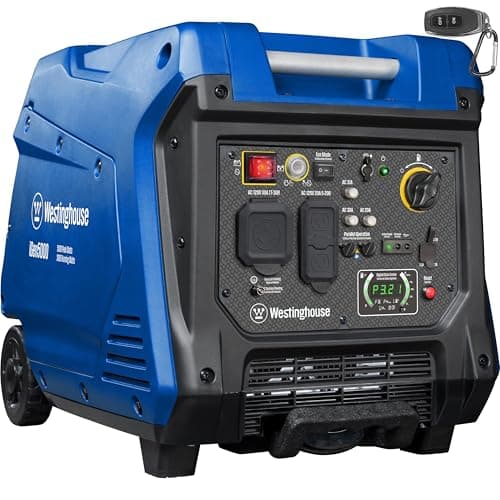
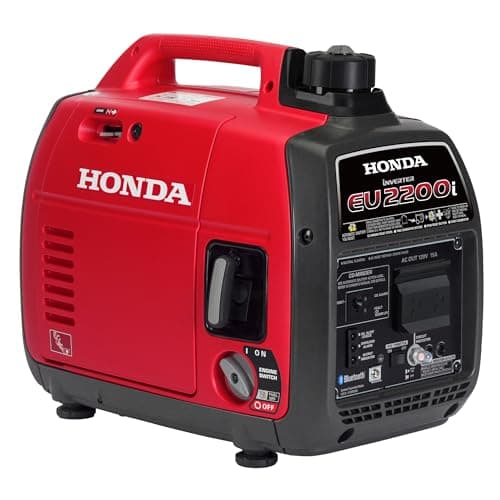
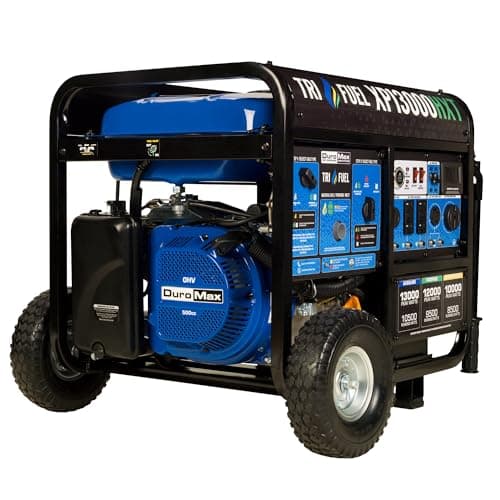
The cabin problem is storage, not capacity
A house generator gets exercised, because outages happen and people are there. A cabin generator sits in an unheated shed from October to May and then has to start on the first pull, in the cold, when you have driven two hours to get there.
That reframes the purchase. Watts are easy to buy. What you are actually selecting for is a machine that tolerates neglect, and the fuel decides most of that.
Propane is the answer where it is available: it does not oxidize, does not absorb water and leaves no varnish in the carburetor. The propane page covers the trade in full.
The three-item cabin routine
Whatever machine you buy, this is what makes it start.
1. Leave it dry or leave it stabilized. Either run the carburetor empty at the end of the season, or fill the tank with treated fuel and run the machine long enough to get treated fuel through the carburetor. The half-measure — a partly full tank of untreated gasoline — is the one that fails.
2. Keep the battery charged on any electric-start machine. A cabin generator's starting battery is the component most likely to be flat, and a maintainer is a small purchase against a wasted trip.
3. Store it covered and off the floor. A shed floor in spring is damp, and rodents find generator wiring and air filters attractive over a winter. The storage page covers the fuel side of this properly.
Sizing a cabin, honestly
Cabin load lists vary more than house lists, because what is electric and what is propane differs from building to building.
| Cabin | Typical electric load | Machine |
|---|
| Off-grid, propane fridge and heat | Lighting and charging, under 400 W | 2,000W class, or a battery |
|---|
| Electric fridge, propane heat, no well | 500-900 W | 2,000-3,700W class |
|---|
| Electric fridge and a well pump | Pump surge dominates | 5,000W class minimum, with 240V |
|---|
| Well pump, freezer and electric heating | Well past 5,000 W | 7,500-10,500W class |
|---|
The well pump is the item that jumps the answer up two classes, exactly as it does at a house — the well pump page covers the surge problem, and the plate on the pump is the only reliable source.
Where a battery and panels beat a generator
For the lighter cabin cases in that table, a power station with solar is genuinely the better product. It is silent, needs no fuel deliveries, has no seasonal storage ritual and cannot fail to start.
The limitation is the same as everywhere: no battery of a sensible size runs electric heat, and a well pump needs a big one. The off-grid cabin power station page works that side through, and a lot of cabins end up with both — panels and a battery for the everyday, a generator for the pump and the cold snap.
Two cabin-specific safety notes
- Never in the shed, the porch or the crawl space. The temptation is much stronger at a cabin because the weather is worse and the building is smaller. The CO safety page is the one to read first, and a battery CO alarm is the cheapest item on this site.
- Plan the fuel round trip. The nearest gas station may be an hour away and closed in an outage. That is an argument for propane and for storing more than feels necessary.
The short version
- Select for starting after neglect, not for peak watts.
- Propane if the cabin already has it. One fuel, no staleness.
- The well pump doubles the machine. Check the plate before sizing.
- Battery plus panels for the light cases. Nothing to start, nothing to store.