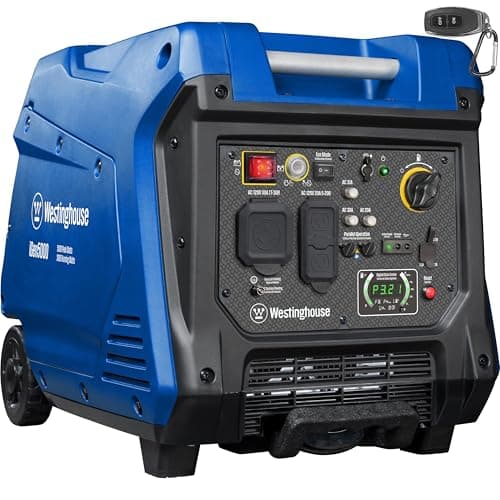
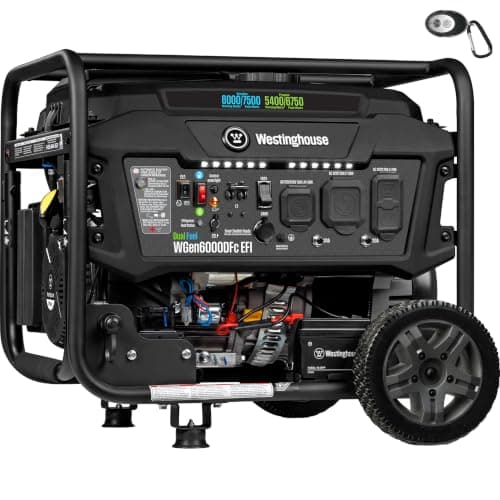
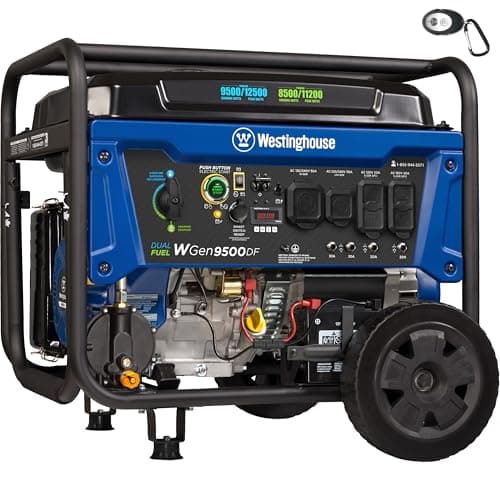
What remote start actually changes
On paper it saves a walk. In an outage it changes behavior, which is a much bigger effect.
The efficient way to run a portable generator is in blocks — four to six hours a day, split across the day, which keeps a refrigerator and freezer perfectly safe and cuts fuel use by two-thirds against running continuously. The fuel arithmetic makes the case plainly.
Block running means starting the machine several times a day. In good weather that is trivial. In the ice storm that caused the outage, at 6am, twenty feet from the house, it is exactly the friction that makes people leave the generator running all night instead — burning three times the fuel and annoying the whole street.
Remote start removes that friction, and that is the argument.
The three ways generators start
| Method | Depends on | Fails when |
|---|
| Recoil (pull cord) | Your shoulder and a healthy engine | Cold oil, a gummed carburetor, or a bad back |
|---|
| Electric start (button) | A charged starting battery | The battery is flat |
|---|
| Remote start (key fob) | The same battery, plus a fob battery | Either battery is flat, or the fob is lost |
|---|
Every remote start machine worth buying keeps a recoil handle as a fallback, and you should confirm that before purchase. A machine whose only starting path runs through a battery is a machine with a single point of failure.
The battery is the whole story
This is the part that gets skipped and then causes the disappointment.
A generator starting battery is a small sealed lead-acid unit. It self-discharges steadily whether the machine is used or not, and lead-acid cells left partly discharged sulfate — a process that permanently reduces capacity.
Three to five years is the normal life, and it fails quietly. A four-year old battery can hold enough charge to look healthy and not enough to turn an engine over on a cold morning.
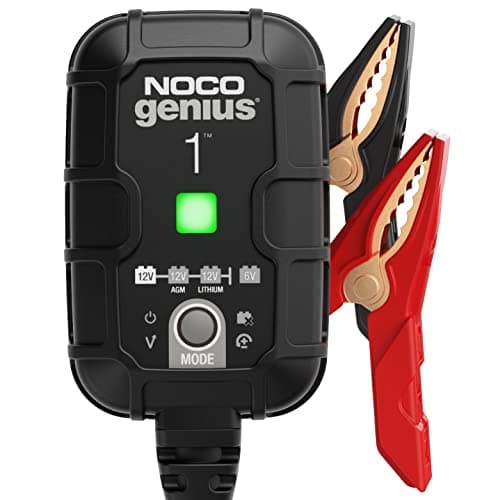
Two habits fix it. Keep a maintainer on it, and start the machine monthly under some load — which is the same exercise routine that keeps the carburetor clear. The maintenance schedule sets out the rest.
Where remote start does not help
Being clear about this saves disappointment.
It does not choke or prime. On machines that need choking, remote start works from a warm engine and often not from a cold one. Read the manual on this specific point before relying on it.
It does not transfer power. Starting the machine remotely still leaves you flipping the transfer switch by hand. Only an automatic transfer switch on a standby unit does the whole sequence — the ATS explainer covers what real automation looks like.
It does not make it safe to start from indoors without thinking. The machine still needs to be twenty feet away with the exhaust pointing out, and you still need to know nothing has been moved against it since yesterday.
If you want the whole thing automatic
Remote start is the halfway point between a pull cord and a standby generator. If what you actually want is a machine that starts itself while you are away and switches the house over without you, that is a standby unit and a different purchase entirely.
The standby versus portable comparison is the page for that decision, and the whole-house page covers what to ask before taking quotes.
A handful of portables now add a phone app or a 2-wire auto-start input on top of remote start, and the three features are routinely confused for each other. Which generators offer smart or remote monitoring sorts out what each one does, and why a Bluetooth app is not a from-anywhere feature.
The short version
- The feature is block running, not laziness. Several starts a day, in bad weather.
- Buy a maintainer with the generator. Remote start is a battery feature.
- Confirm there is still a recoil handle. One starting path is not enough.
- It is not automation. You still walk out to the transfer switch.