The verdict, in one paragraph
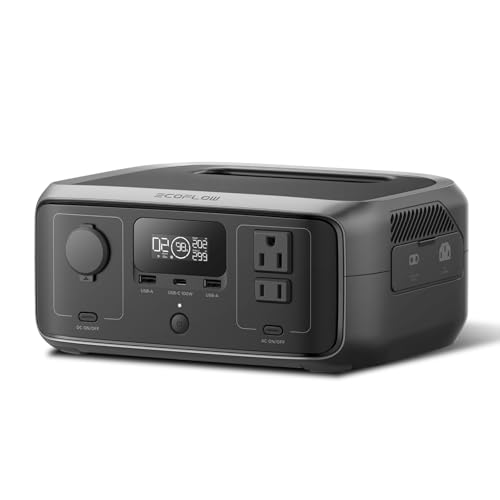
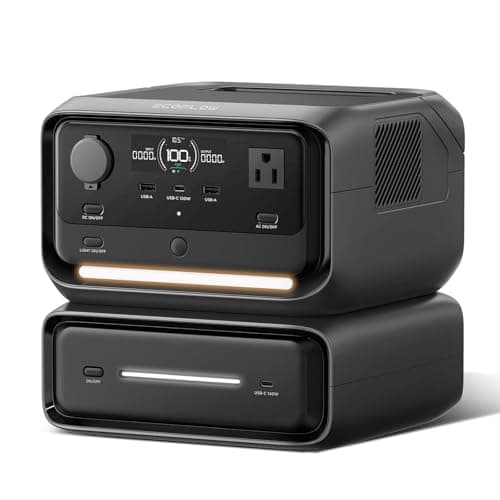
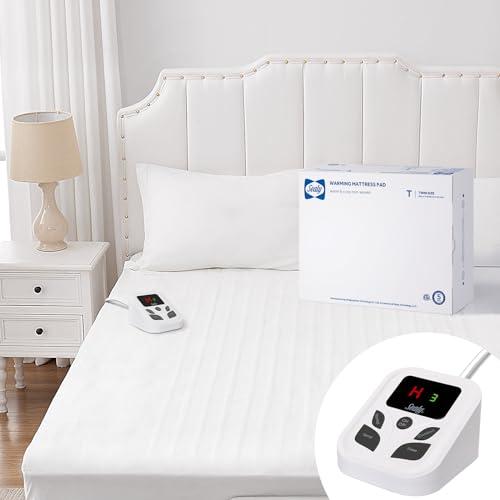
Heat the bed, not the room. A heated mattress pad on a 245 to 572Wh LiFePO4 station is a realistic full night of warmth for one or two people, and it is the single best watt-for-watt use of a battery in a winter outage. Before you size anything, measure the blanket: heated bedding is the one household heat product that publishes its settings and not its watts, and that number decides which battery you need.
Why the bed wins, in one table
Every figure in the left-hand column below is published by its manufacturer. The heated bedding row is empty on purpose — that is the finding.
| Way to be warm | Published draw | What it heats |
|---|
| Ceramic tower space heater | 750 W to 1,500 W (Lasko CT24362) | A room, badly, for about an hour per 1,000Wh |
|---|
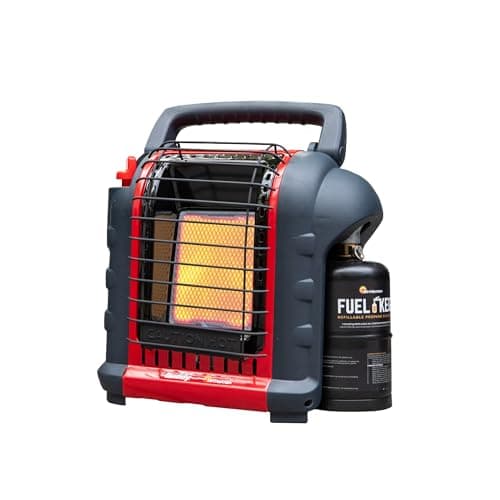
| Propane radiant heater | No electricity; 9,000 BTU, about 2,640 W of heat | Up to 225 sq ft |
|---|
| Heated mattress pad or blanket | Not published on any listing we checked | One bed, and the person in it |
|---|
| Heated socks | 5 V, 5,000 mAh pack; up to 8 hours | Feet, from their own battery |
|---|
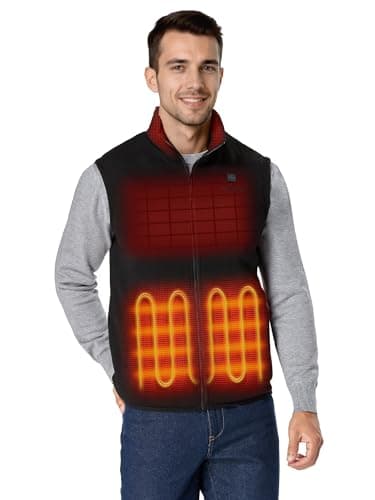
| Heated vest | 5 V 2 A pack, so roughly 10 W | A torso, from its own battery |
|---|
Read the first row against the third. A space heater is a published 1,500 watts and heats the air in a room that is losing it through the walls as fast as you make it. A heated bed puts a far smaller number directly into the one cubic meter you are actually occupying.
The number nobody publishes
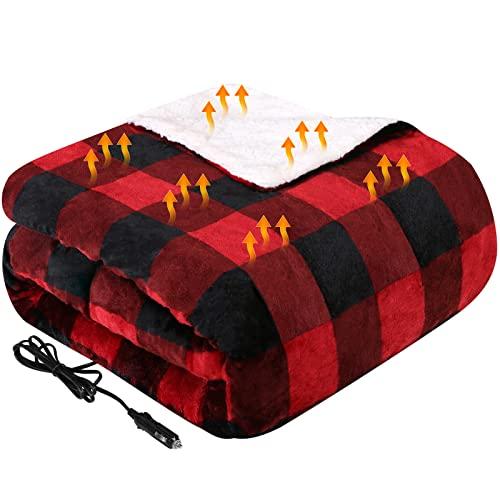
We went looking for a manufacturer wattage for heated bedding and could not find one we were willing to print. The Sealy pad publishes ten heat settings and a selectable one-to-nine-hour auto shut-off. The 12V car throw publishes its dimensions and its supply voltage. Neither publishes watts, and neither do the competing listings.
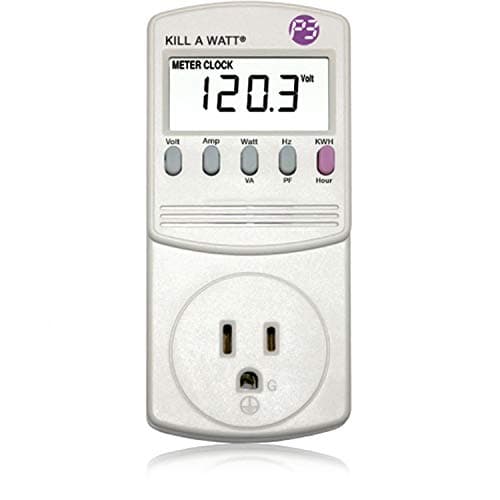
This site does not estimate, so the honest instruction is: measure it. Plug the blanket into an energy meter, set it to the level you actually sleep on, leave it an hour, and read the watt-hours. That one reading turns everything below into arithmetic.
Two things to know before you measure. First, measure the average over an hour, not the instantaneous draw: heated bedding cycles hard at first and then idles, so the instantaneous reading in minute one is meaningless. Second, measure the setting you sleep on, not the maximum — the difference between setting four and setting ten is the difference between two nights and one.
Battery sizing once you have the number
Capacity divided by your measured average draw, for an eight-hour night. Find your measured figure across the top and read down.
| Battery | If it averages 20 W | If it averages 40 W | If it averages 80 W |
|---|
| 245 Wh | 12 h — a full night | 6 h — most of a night | 3 h |
|---|
| 572 Wh | 28 h — two nights | 14 h | 7 h |
|---|
| 1,056 Wh | 52 h | 26 h — three nights | 13 h |
|---|
| 2,073 Wh | 103 h | 51 h | 26 h |
|---|
No inverter efficiency loss is applied, so shade every figure down by roughly a tenth if the blanket is running from an AC outlet. A 12V throw on the station's DC socket does not pay that tax.
Four rules for a cold night on a battery
- Use the auto shut-off. A bed holds its heat. Six hours of pad on a eight-hour night is usually indistinguishable from eight, and it is a quarter of the spend.
- Preheat on grid power. If the outage is forecast, warm the bed before the power goes. The expensive part of the cycle is getting there, not staying there.
- Close the bedroom door. A heated bed in a small closed room is a far better outcome than a heated bed in an open-plan floor.
- Keep the battery warm too. A station at -5 degC has less usable capacity than the same station at 15 degC, and will likely refuse to recharge at all. The cold weather page covers which units publish their limits.
Where this fits in a winter plan
Heated bedding is the night half. The day half is clothing, not appliances — heated garments run on their own packs at roughly ten watts, which is the only heating arithmetic that genuinely works on batteries. Staying warm without power is the whole strategy, and the winter storm kit is the list to own before the forecast, not after it.