Skip to content
Watt Warden

Generators

Carbureted vs EFI Generators

The single most common reason a stored generator will not start is a varnished carburetor. Fuel injection deletes the carburetor, which is a bigger deal than the fuel-economy claims.

By Sawyer V.Updated Published How we work this out
Fuel injector engine parts in close detail.

Watt & Warden earns a commission on qualifying purchases made through links on this page, at no extra cost to you. It never changes a ranking, and our picks include products we tell you to skip. Full disclosure.

Quick picks

#ProductBest forPrice
1
No photo

The other way to solve the same problem

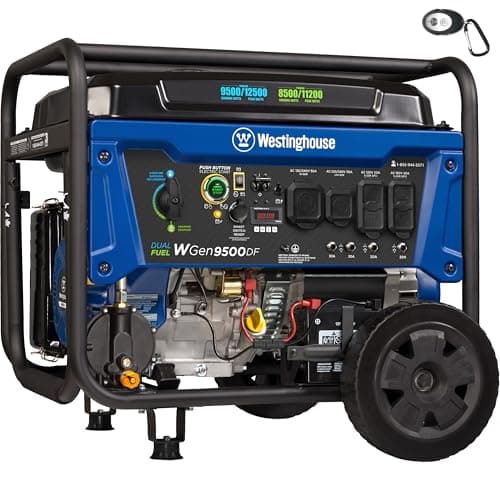
Westinghouse WGen9500DF

9,500 running watts with dual-fuel capability and push-button electric start.

Removing stale fuel without changing the fuel system
2
No photo

Three fuels, same reasoning

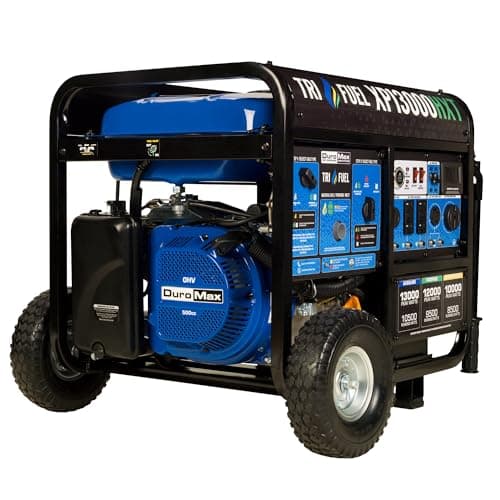
DuroMax XP13000HXT tri-fuel generator

10,500W running on gasoline, 9,500W on propane, 8,500W on natural gas.

A house with a gas main
3
No photo

The cheapest fix of all

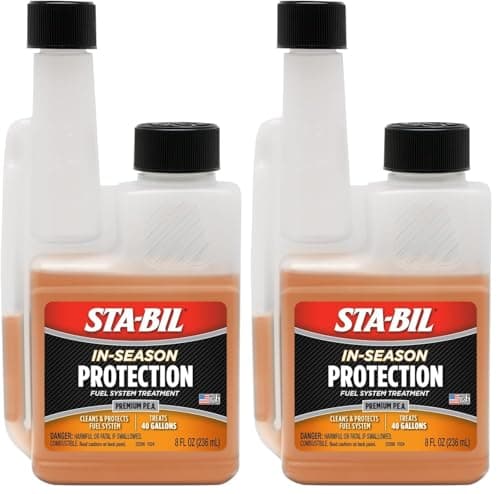
STA-BIL 360 Protection fuel stabilizer

One ounce treats up to five gallons; the label claims up to 12 months of storage protection.

Any carbureted machine you already own
4
No photo

Unchanged either way

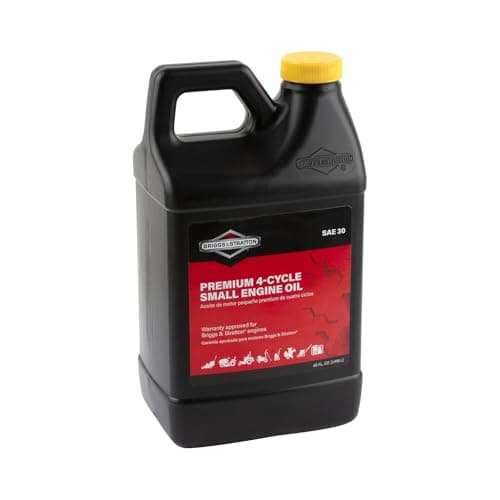
Briggs & Stratton SAE 30 engine oil, 48 oz

48oz of SAE 30 detergent oil to API SJ or higher.

Both fuel systems

Prices come from the retailer at page-build time and change constantly. Where no live price is available the button reads “Check price” rather than showing a number we cannot stand behind.

What each system does

A carburetor is a mechanical device that uses the pressure drop of air rushing through a venturi to draw fuel from a small bowl and mix it with the incoming air. No electronics, no sensors, and a fixed mixture set by the size of the jets.

Electronic fuel injection sprays a metered quantity of fuel directly into the intake under pump pressure, with an electronic control unit deciding how much based on sensor readings — throttle position, air temperature, engine speed.

The mechanical difference is small. The ownership difference is not, and it is almost entirely about one component.

The bowl is the problem

This is why the page exists. Everything else on this comparison is secondary.

A carburetor holds a small reservoir of fuel in its bowl at all times. In a machine used four times a year, that fuel sits there for months. Ethanol-blended gasoline oxidizes, absorbs water and forms gum, and the gum deposits in passages measured in fractions of a millimetre.

Those passages then block, and the engine either will not start, starts and dies, or runs badly and will not take load. That is the single most common failure in the whole category and it is a storage failure rather than a wear one.

An EFI system has no bowl. The fuel sits in the tank and the lines under pressure, and there are no small passages holding a standing volume of gasoline waiting to varnish.

The troubleshooting page puts stale fuel first for exactly this reason.

The comparison

CarburetedEFI
Stale-fuel vulnerabilityHigh — a standing bowl of fuelMuch lower — no bowl
Cold startingManual choke, some judgment requiredAutomatic — the ECU compensates
AltitudeRuns rich at altitude; may need rejettingCompensates automatically
Fuel efficiencyFixed mixture, less optimal at partial loadMetered to conditions
Field repairSimple, cheap parts, widely availableNeeds diagnostics; parts are model-specific
Failure without powerWorks with no electronics at allNeeds the battery and ECU to be healthy
Purchase priceLowerHigher
AvailabilityThe large majority of portablesGrowing, still a minority

This describes the behavior of the two fuel-system architectures rather than any specific product, and we have not measured fuel consumption on either. Where a manufacturer publishes comparative figures for its own machines, those are the numbers to use.

What EFI genuinely improves

  • Storage tolerance. The main event, and the reason to consider it at all for a machine used four times a year.
  • Cold starting. No choke to judge. On a machine you start twice a year in bad weather, that is worth more than it sounds — fumbling a choke in sleet is where people give up.
  • Altitude compensation. A carburetted engine runs progressively richer as you climb, losing power and fouling plugs. An ECU corrects for it automatically, which matters for mountain properties and for machines that travel.
  • Partial-load efficiency. A metered mixture is closer to optimal across the load range than a fixed one, which is where a generator actually spends its time.

What it costs you

  • Price. EFI machines carry a premium, and at the budget end of the market they simply do not exist.
  • Repairability. A carburetor is a cheap part that a competent owner can clean or replace on a bench. An EFI fault needs diagnostics and model-specific components.
  • Electronic dependence. The system needs a healthy battery and a working ECU. A carbureted recoil-start machine will run with no electronics functioning at all, which is a genuine argument in a category defined by things having failed.
  • Choice. The selection of EFI portables is narrow. You may be choosing a fuel system over an output rating, a noise figure or dual-fuel capability, and those may matter more.

The honest recommendation

EFI is not worth reorganizing a purchase around, because the problem it solves has two cheaper solutions that work just as well.

If stale fuel is your concern — and it should be — you can:

  1. Buy dual fuel and store on propane. The carburetor never sees gasoline. This is the best value answer by a wide margin and it is available at every price point.
  2. Treat the fuel, or run the carburetor dry. Costs a few dollars a season and prevents the failure entirely on a machine you already own.
  3. Buy EFI. Effective, and the most expensive of the three.

Where EFI does earn its premium: a machine that lives at altitude, one that must start reliably in severe cold with no fuss, or a commercial setting where nobody is going to do the storage discipline and you would rather engineer the problem away.

For a household generator with a monthly exercise habit and treated fuel, the carbureted machine will be just as reliable and you will have spent the difference on more output or a battery.

Everything else is unchanged

Worth stating because EFI marketing sometimes implies a low-maintenance machine.

Fuel injection changes the fuel system. It does not change the oil change interval, the air filter, the spark plug, the valve clearance check, or the need to exercise the engine so it does not seize up from disuse. The maintenance schedule is identical on both, and the break-in oil change applies to both.

It also does nothing whatsoever about carbon monoxide. Both burn gasoline, both produce exhaust, and both belong outdoors at least twenty feet from windows, doors and attached garages.

The picks in full

01The other way to solve the same problem

Westinghouse WGen9500DF

9,500 running watts with dual-fuel capability and push-button electric start.

Worth naming first because it addresses the same underlying failure from a different direction, at a much lower price. Store and exercise on propane with the gasoline system run dry, and stale fuel stops being something you can have.

EFI removes the vulnerable component; dual fuel removes the fuel that attacks it. For most households the second is the cheaper route to the same outcome.

Skip it ifyou will only ever run gasoline. Then the carburetor problem remains.

Published specifications for the Westinghouse WGen9500DF
SpecificationPublished figure
Output (gasoline)9,500 running W / 12,500 peak W
FuelGasoline or propane (dual fuel)
Engine457cc 4-stroke OHV, cast iron sleeve
Tank6.6 gal (25 L)
Run timeup to 12 h on a full tank
Transfer-switch outlet120/240 V L14-30R, 30 A
RV outlet120/240 V 14-50R, 50 A
StartingPush-button electric with remote key fob
Warranty3-year limited

Source: Westinghouse — WGen9500DF product specifications. These are the manufacturer's published figures, not ours — we have not tested this unit.

02Three fuels, same reasoning

DuroMax XP13000HXT tri-fuel generator

10,500W running on gasoline, 9,500W on propane, 8,500W on natural gas.

Running permanently on natural gas is the most complete version of the argument: the carburetor never sees gasoline at all, and there is nothing stored to go stale.

Skip it ifyou have no gas main. Dual fuel does the same job for less.

Published specifications for the DuroMax XP13000HXT tri-fuel generator
SpecificationPublished figure
Gasoline13,000 peak W / 10,500 running W
Propane12,000 peak W / 9,500 running W
Natural gas10,000 starting W / 8,500 running W
Engine500cc OHV, 100% copper windings
Tank8.3 gal
Run time8.82 h on gasoline at 50% load, 7.63 h on propane
OutletsTransfer-switch-ready 50 A outlet
StartingPush-button electric with remote start
SafetyBuilt-in CO Alert shutdown

Source: DuroMax — XP13000HXT tri-fuel generator listing. These are the manufacturer's published figures, not ours — we have not tested this unit.

03The cheapest fix of all

STA-BIL 360 Protection fuel stabilizer

One ounce treats up to five gallons; the label claims up to 12 months of storage protection.

If you already own a carbureted machine — which is most people — this is the answer rather than a new generator. Treated fuel and a dry carburetor before long storage prevent the failure entirely.

Skip it ifyou run the tank and carburetor dry between seasons instead.

Published specifications for the STA-BIL 360 Protection fuel stabilizer
SpecificationPublished figure
Treats40 gallons (8 fl oz bottle)
Storage lifeKeeps ethanol-blended fuel fresh up to 12 months
Dose1 oz treats up to 5 gallons of fuel
Also doesFuel-system cleaning, corrosion and water-absorption protection
UseAdd before filling, then run the engine 5 minutes

Source: STA-BIL — 360 Protection product page. These are the manufacturer's published figures, not ours — we have not tested this unit.

04Unchanged either way

Briggs & Stratton SAE 30 engine oil, 48 oz

48oz of SAE 30 detergent oil to API SJ or higher.

Worth stating because EFI marketing can suggest a maintenance-free machine. Fuel injection changes the fuel system and nothing else: oil changes, air filters and spark plugs are identical on both.

Skip it ifyour machine runs below 40°F — use the multigrade specified.

Published specifications for the Briggs & Stratton SAE 30 engine oil, 48 oz
SpecificationPublished figure
GradeSAE 30 detergent, 4-cycle
Volume48 oz
SpecificationAPI SJ/CD or higher
TemperatureAbove 40°F; use a multigrade below that
CoversAbout one change on most portable generators

Source: Briggs & Stratton — engine oil product page. These are the manufacturer's published figures, not ours — we have not tested this unit.

How these were chosen

We did not test these. Nobody at Watt & Warden has plugged one in. What we did instead: read the manufacturer's published specifications, compile them into a table where the figures line up, and compute the numbers manufacturers leave out — runtime against a real appliance load, and what an hour of running actually costs.

Anything that could not be sourced was left out rather than estimated, and every pick names the buyer who should skip it. The full method is here, including where it is weaker than a publisher with a test bench.

Questions people actually ask

What is the difference between a carbureted and an EFI generator?

A carburetor mixes fuel and air mechanically using the pressure drop through a venturi, drawing from a small standing bowl of fuel. EFI sprays a metered quantity under pump pressure, with an ECU deciding how much from sensor readings. The ownership difference is almost entirely about that standing bowl.

Is EFI better for a generator that sits unused?

Yes, and it is the main argument. A carburetor bowl holds fuel for months while the machine sits, and ethanol-blended gasoline oxidizes into gum that blocks passages measured in fractions of a millimetre. EFI has no bowl, so there is no standing volume of gasoline waiting to varnish.

Is an EFI generator worth the extra cost?

Usually not, because the problem it solves has two cheaper solutions. Buying dual fuel and storing on propane means the carburetor never sees gasoline at all, and treating the fuel or running the carburetor dry costs a few dollars a season. EFI earns its premium at altitude, in severe cold, or commercially.

Are EFI generators harder to repair?

Yes. A carburetor is a cheap, widely available part a competent owner can clean or replace on a bench; an EFI fault needs diagnostics and model-specific components. EFI also depends on a healthy battery and ECU, where a carbureted recoil-start machine runs with no electronics working at all.

Does EFI reduce generator maintenance?

Only the fuel-system part. Oil changes, air filters, spark plugs, valve clearance and the need to exercise the engine are identical on both, and so is the break-in oil change. It also does nothing about carbon monoxide -- both burn gasoline and both belong outdoors, twenty feet away.

Sources

Every figure on this page comes from a published source. We have not tested this equipment, so the specifications are the manufacturer's and the statistics are the dataset's — the arithmetic on top of them is ours, and it is shown in full so you can check it. How we work this out.