The verdict, in one paragraph
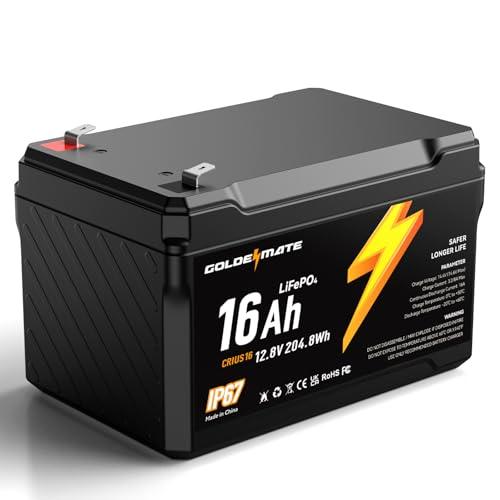
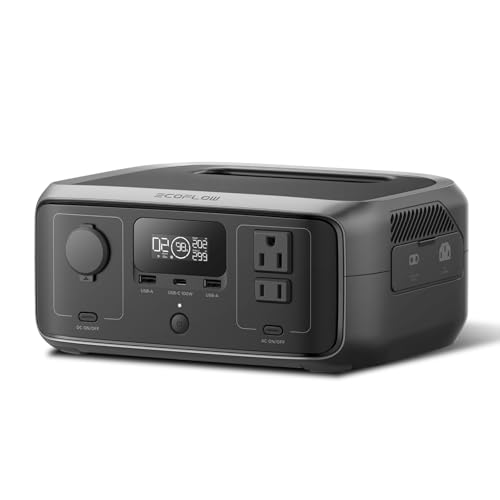
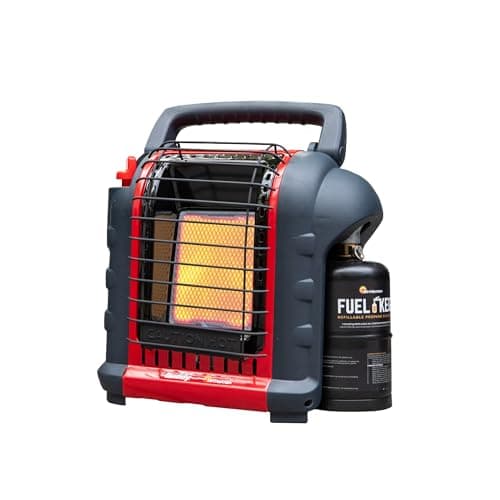
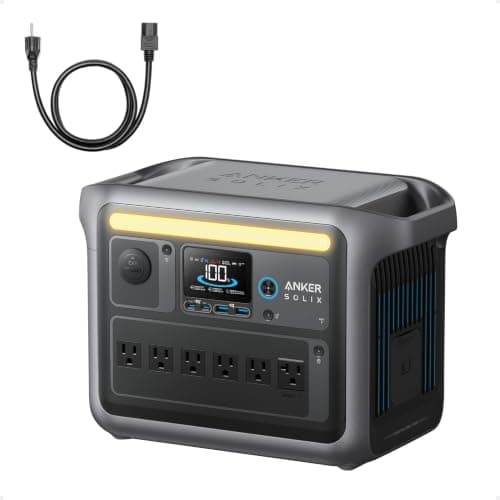
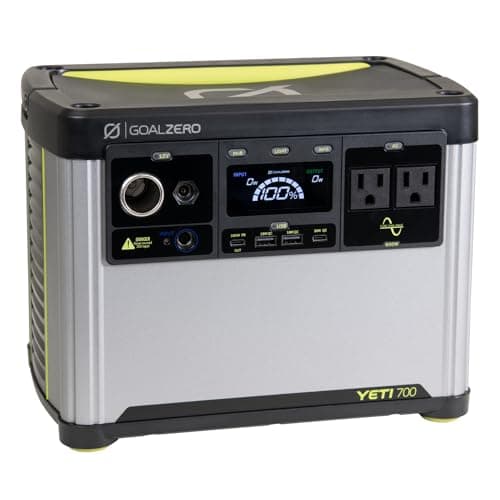
For a day in a portable shelter, buy a small LiFePO4 station in the 250 to 700Wh band and keep it off the ice itself — and if your flasher, camera and lights are 12V devices, a sealed 12V lithium battery does that job better and cheaper, because it skips the inverter entirely. Nothing on this page produces heat. That is propane's job, and the arithmetic below shows why it always will be.
What a shack actually draws
The surprise is how little. Almost everything in a shelter is a 12V device or a USB device, and the two exceptions are the heater, which is not electric, and the auger charger, which happens at home.
| Load | Native voltage | A day on the ice |
|---|
| Flasher or fish finder | 12 V | Tens of watt-hours |
|---|
| Underwater camera | 12 V | Tens of watt-hours |
|---|
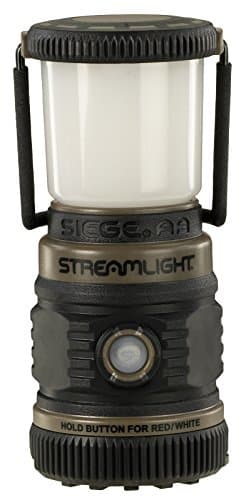
| LED lantern | AA or USB | Single-digit watt-hours |
|---|
| Phone charging, twice | USB | About 40 Wh |
|---|
| Heater blower, where fitted | 12 V | Tens of watt-hours |
|---|
| Electric auger battery charge | 120 V AC | Several hundred watt-hours |
|---|
| Heat for the shelter | Propane | Not electric, and cannot be |
|---|
Add the first five rows and a realistic day is 150 to 250Wh. That is why the small station wins here and the big one is for a wheelhouse.
The cold is the real constraint
Ice fishing is the one activity where a power station spends the whole day at the edge of its published temperature window, and the window for charging is much narrower than the window for discharging.
Lithium cells of every chemistry refuse to accept charge below freezing without damage, and most stations enforce that in firmware: the unit will run your gear at -10 degC and then decline to take solar or wall input at the same temperature. Discharge is more forgiving but still costs you usable capacity.
Three practical rules follow, and they are worth more than the choice of model:
- Charge it indoors, the night before. Never plan to recharge on the ice.
- Keep it off the floor. The coldest air and all the slush are in the bottom few inches of a shelter. A milk crate is the whole fix.
- Let it warm up before you charge it at home. Bringing a frozen battery straight to a charger is the one habit that actually shortens its life.
The cold weather page goes through what the manufacturers publish about their own limits, and which ones publish nothing at all.
Power station, or a 12V battery?
A genuine fork, and the honest answer is that a lot of ice anglers should buy the 12V battery.
| Power station | 12V LiFePO4 battery |
|---|
| Best if | You need a mains outlet on the ice | Everything you run is 12V anyway |
|---|
| Conversion losses | 12V to 120V and back down again | None |
|---|
| Ingress rating | Rare — IPX4 at best | IP67 is common in this class |
|---|
| Cost per watt-hour | Higher | Much lower |
|---|
| Charges your phone | Yes, built in | Only with a separate 12V USB adapter |
|---|
| Useful the other eight months | Yes — outages, camping, the yard | Only in another 12V system |
|---|
The deciding question is the last row. If the battery will sit in a closet from March to December, the power station is better value because it has a summer job. If you already own 12V gear and a boat, the brick wins on every other line.
The short version
- Day trip, portable shelter: 250 to 700Wh of LiFePO4, off the floor, charged at home.
- 12V electronics only: a sealed 12V lithium battery, and skip the inverter.
- Wheelhouse with a furnace: 1,000Wh and up.
- Heat is propane. 9,000 BTU is about 2,640 watts, and no battery here holds an hour of it.