The verdict, in one paragraph
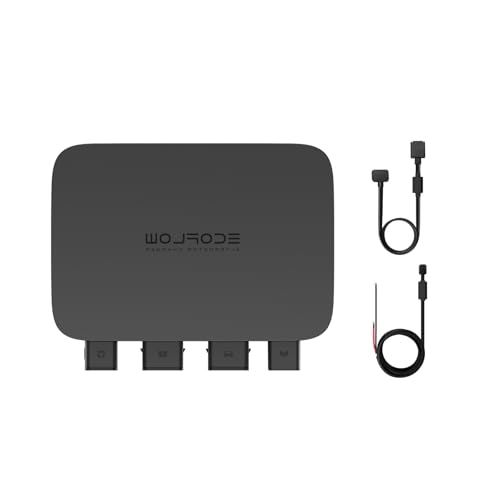
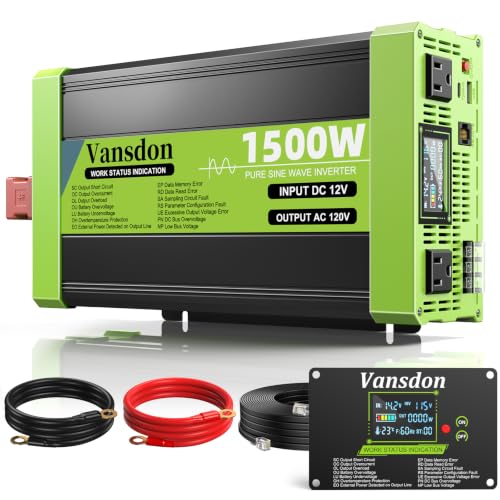
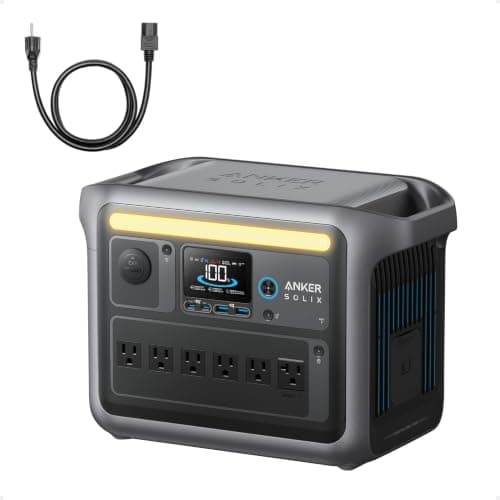
Buy a 1,000Wh LiFePO4 station and a DC-DC alternator charger, and run 12V loads on 12V. The station keeps the truck's starting batteries out of the equation entirely, and the alternator charger is what makes it sustainable — EcoFlow publishes 1 kWh in 1.3 hours at 800W, so a night's use refills in about ninety minutes of driving. If the truck already carries a house battery bank, a 1,500W pure sine inverter is the cheaper route to the same result.
Why 12V beats 120V in a cab
This is the whole argument, and it is the opposite of the advice that applies in a house.
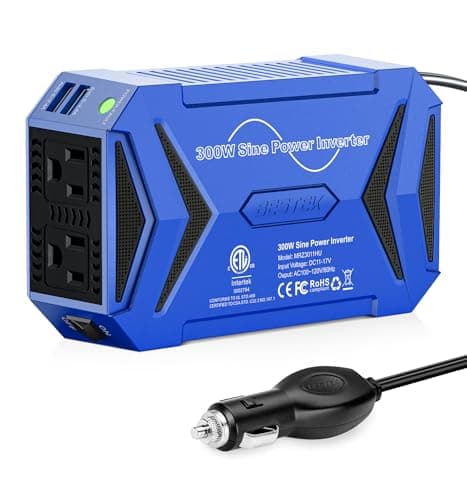
In a house, everything is mains and the inverter is unavoidable. In a cab, the native voltage is already 12V (or 24V), and most of what a driver uses — fridge, fan, light, heated throw, kettle, phone — is available as a 12V device. Running those through an inverter means stepping 12V up to 120V AC and then back down to 12V inside the appliance, and you pay a conversion tax on both steps plus the watts the inverter burns just being switched on.
| Load | Native 12V version exists? | What to do |
|---|
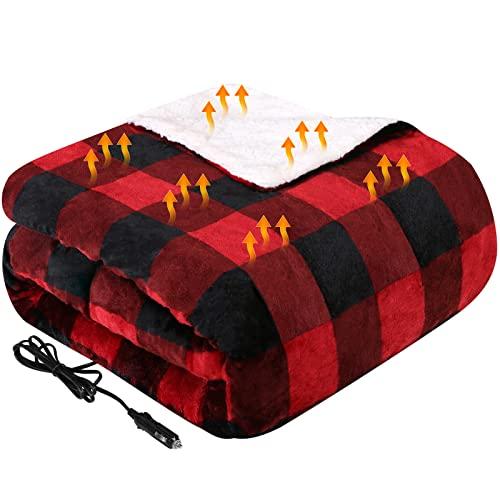
| Heated throw | Yes | Buy the 12V one. Never invert this. |
|---|
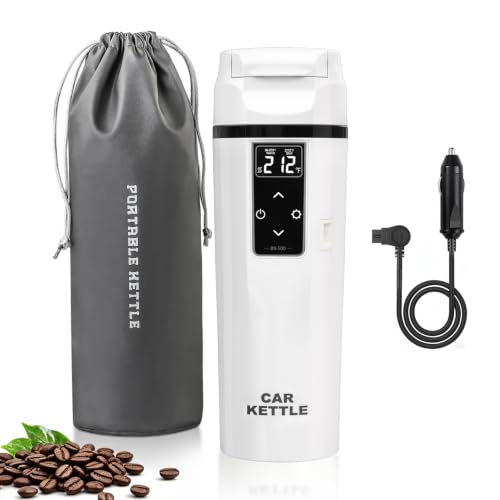
| Kettle or mug warmer | Yes, 12V/24V | Buy the 12V one. |
|---|
| Fridge or cooler | Yes | Buy the 12V one. It runs for days. |
|---|
| Phone and tablet | USB | USB port on the station. No inverter. |
|---|
| Laptop | USB-C PD, usually | USB-C if it takes it; otherwise AC. |
|---|
| CPAP | Often, with a DC cord from the maker | DC cord if it exists; pure sine AC if not. |
|---|
| Microwave | No | AC, and accept it is the expensive load. |
|---|
What a night in a cab actually costs
Rough watt-hours for a realistic overnight, against the capacity you are choosing between. The heated throw row is a range because no 12V throw listing we found publishes a wattage.
| Load | Overnight |
|---|
| 12V fridge, cycling | 200-400 Wh |
|---|
| Laptop, three hours | About 150 Wh |
|---|
| Two phone charges | About 40 Wh |
|---|
| LED light, four hours | Under 20 Wh |
|---|
| Heated throw, a few hours | Measure it — nobody publishes the figure |
|---|
| CPAP, eight hours | 200-400 Wh depending on humidifier |
|---|
Add those and a 1,000Wh station is a comfortable night with the fridge and the CPAP both running, which is why that capacity is the recommendation rather than 500Wh or 2,000Wh. If the CPAP is the load you are protecting, the CPAP page goes through the humidifier arithmetic properly — it roughly doubles the draw.
Buying this as a gift
Driving is one of the few jobs where a power-related gift is not a novelty. Three bands that work, with the thing each one solves:
- Under $50: a 12V heated throw. It plugs into the socket that is already in the cab, it needs nothing else bought, and it is used every cold night.
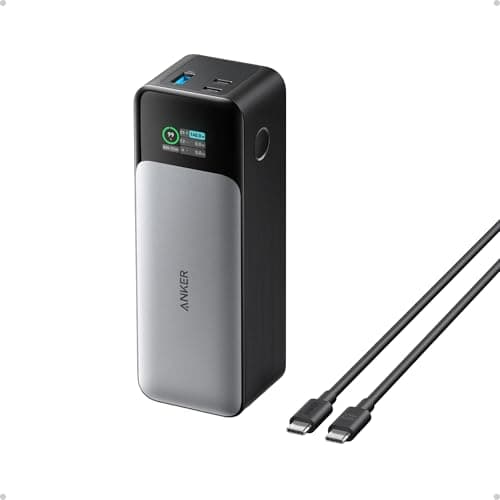
- Around $100: a high-output USB-C power bank. The wattage figure is what makes it useful rather than ornamental — anything under 60W will not charge a laptop properly.
- The real present: a 1,000Wh station. Be aware it is only half the gift: without a way to recharge it on the road, it becomes a heavy box in a side box. If you are buying at this level, the alternator charger is the part that makes it get used.
One thing to avoid: anything that assumes shore power at every stop. That assumption is what makes most cab electronics gifts end up unused.
Three rules for a cab
- Never draw house loads from the starting batteries. A separate station or an isolated house bank is the point of the whole exercise.
- Hardwire anything over 300W. A lighter socket is typically fused around 10 to 15 amps. A 1,500W inverter at 12V is about 125 amps and needs cable and a fuse sized for it.
- Strap it down. A 25 lb battery loose in a sleeper is a hazard under braking, and vibration is the environment no power station publishes a rating for.