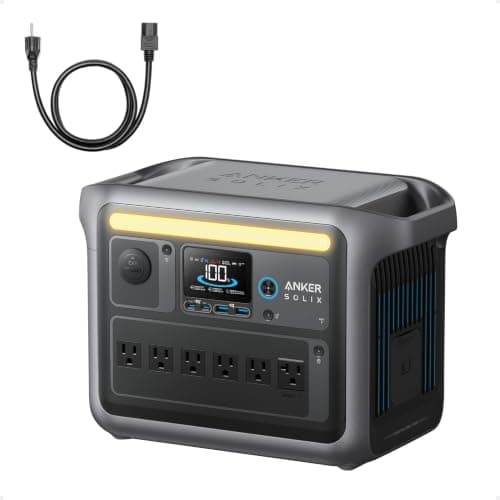
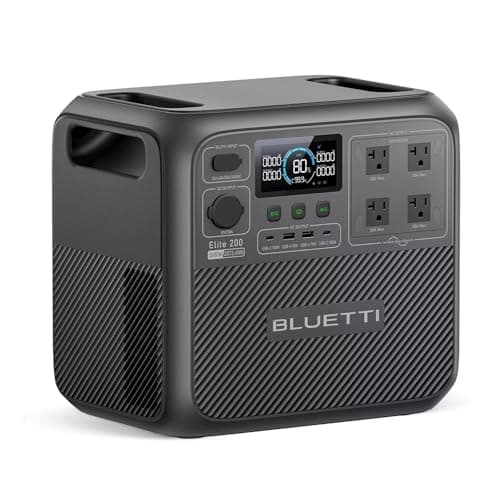
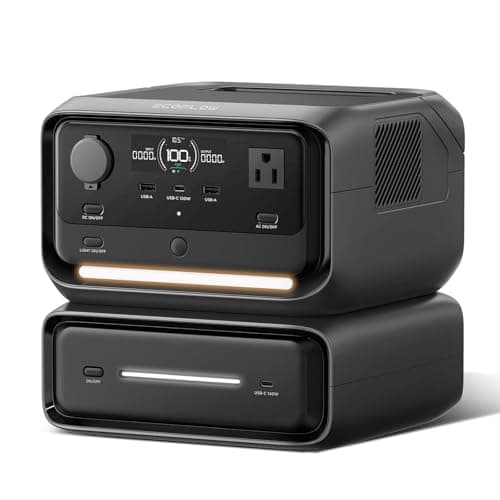
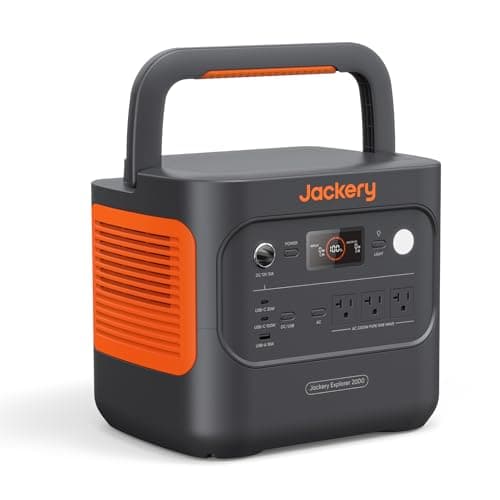
The verdict, in one paragraph
Buy a 1,000Wh pure sine wave power station with a UPS passthrough mode, plug the stove into it permanently and forget about it. Harman publishes a running draw of 2.8 amps, which is a small enough load that a 1,000Wh battery carries a pellet stove through a full winter night with room to spare — and the passthrough means the stove never runs its shutdown cycle in the first place. Light the stove on grid power where you can, because the igniter is the only part of the cycle that is genuinely expensive.
What the makers actually publish
Pellet stove electrical figures are unusually well documented, because the manuals have to be. These are published nameplate ratings, not estimates.
| Maker and model | Published electrical rating | At 120 V |
|---|
| Harman Pathfinder P43-C / P61-C / P68-C | 120 VAC, 60 Hz, Start 4.2 A, Run 2.8 A | About 504 W start, 336 W run |
|---|
| ComfortBilt HP22 | 120 V, 60 Hz, 4.3 A startup | About 516 W start |
|---|
| Quadra-Fire, backup guidance | 700 W and 750 W pure sine inverter/chargers; up to eight hours | Sized for one stove |
|---|
Two things follow. The nameplate is a ceiling, not an average — it covers the moment the igniter, auger and both fans run together. And the startup figure, not the running figure, is what your inverter has to clear.
Why pure sine wave is a requirement, not a preference
This is the part that catches people out, and both major manufacturers say it in their own documents.
Quadra-Fire's battery backup options sheet specifies pure sine wave inverter/chargers by name. Harman's Pathfinder manual goes further and names a specific approved UPS model. The reason is the control board and the variable speed motors: a modified sine wave output is a stepped approximation, and control electronics that expect a smooth waveform respond to it by running hot, buzzing, misreading the auger speed, or refusing to run.
Every power station on this page outputs pure sine wave, and so does the UPS. A cheap modified sine inverter does not, and it is the single most common way this purchase goes wrong. The waveform page sets out the difference properly.
How long a battery actually lasts
The honest answer is a range, because a pellet stove's draw is not constant. The igniter runs for a few minutes at startup and then stops; the auger runs in short bursts; the fans run continuously but modulate.
| Battery | At 150 W pessimistic average | At 50 W post-ignition average |
|---|
| 572 Wh | About 3.8 h | About 11 h |
|---|
| 1,056 Wh | About 7 h | About 21 h |
|---|
| 2,042 Wh | About 13.6 h | About 40 h |
|---|
| 2,073 Wh | About 13.8 h | About 41 h |
|---|
Use the left column to decide what to buy and the right column to be pleasantly surprised. If you want a real figure for your own stove, a plug-in energy meter on the stove's cord for one day costs very little and ends the guessing.
Three practical rules
- Light it before the outage, not during. The igniter is a resistive heating element and it is the largest single draw in the cycle. A stove already burning costs a fraction of one being started.
- Leave it on passthrough permanently. A station in UPS mode with the stove plugged into it means a flicker at two in the morning does not become a cold house and a restart at six.
- Do not run the stove on a modified sine inverter. Both major manufacturers specify pure sine. This is the one rule with a warranty attached to it.
If you also need the furnace or a space heater covered, those are much larger loads and the answer is different — the furnace page and the space heater page both go through why.